Safety note: Admin approval is an initial review, not a guarantee that every detail is correct. Check important or urgent claims with official sources and report anything inaccurate or unsafe.
Source and credit: Contributor's own report
Newtown ‘guerilla garden’ removed after Transport for NSW raises safety concerns - Sydney, NSW
Smart summary
A pop-up community garden known as the “Newtown Forest” has been removed from a busy Sydney intersection after transport authorities said the installation created safety risks for pedestrians and motorists.
A colourful guerilla garden that appeared on a concrete traffic island in Sydney’s inner west suburb of Newtown has been removed by Transport for NSW after authorities raised concerns about road safety.
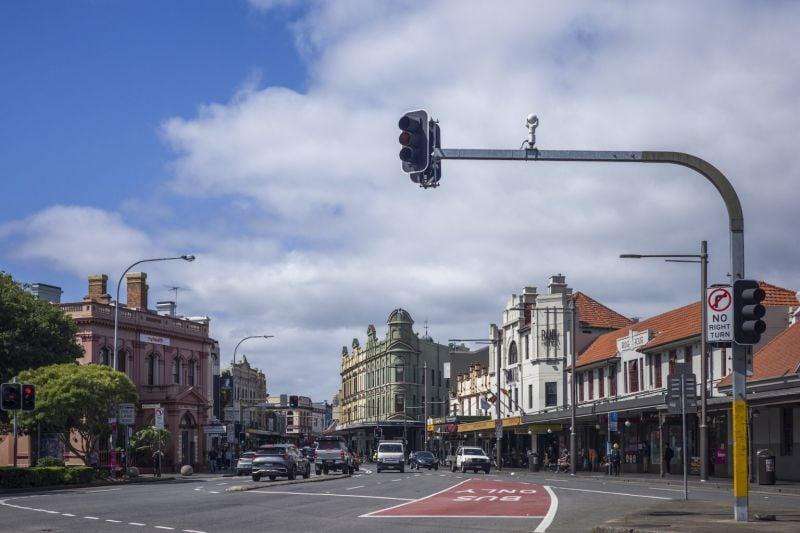
The temporary garden, named “Newtown Forest” by locals, was created by a community group seeking to transform an unused-looking section of the busy intersection of King Street and Enmore Road into a greener public space. The installation included potted plants, small trees placed in repurposed bathtubs, and a park bench where visitors could sit and enjoy the unusual urban garden.
Organisers described the project as an “imagination exercise” designed to show how small urban spaces could be transformed into areas of nature and community connection. Local resident Nic Lowe, who helped establish the garden with the community group K Shift, said the area had been turned from what residents called the “triangle of shame” into a small natural refuge surrounded by busy roads.
The garden remained in place for about two weeks before Transport for NSW workers removed the plants and structures. Authorities said the decision was made because the installation could affect visibility for drivers and create potential hazards if objects were struck by vehicles.
Transport for NSW said the concrete island was not designed as a permanent pedestrian area or community space. Officials said placing large objects such as planters and furniture on the island could create risks for people using the intersection, including pedestrians, cyclists and motorists.
The removal sparked debate among Newtown residents and online communities. Supporters argued the garden added beauty and greenery to a heavily urbanised area, while others agreed that traffic islands must remain clear to maintain safe movement through busy intersections. Community reactions reflected a wider discussion about balancing urban greening projects with transport safety requirements.
The project highlights growing interest in improving urban environments through community-led initiatives. Many cities around the world have introduced small-scale greening projects to increase biodiversity, reduce the visual impact of concrete spaces and create more welcoming neighbourhoods.
Newtown is already known for its strong community culture, street art, independent businesses and public spaces. Residents have previously supported projects aimed at improving walking areas, cycling connections and local gardens.
Transport for NSW said it recognised the positive intentions behind the project and encouraged residents interested in urban beautification to work with authorities to identify locations where similar ideas could be delivered safely and legally.
The Newtown Forest project has become an example of the challenges communities face when trying to introduce creative improvements into shared public spaces. While supporters believe temporary gardens can make cities greener and more enjoyable, authorities say such projects must consider safety, accessibility and transport needs.
The discussion is likely to continue as Australian cities look for new ways to increase greenery, improve public spaces and involve communities in shaping urban environments.
GardenTransportCommunityNewtownUrban
A colourful guerilla garden that appeared on a concrete traffic island in Sydney’s inner west suburb of Newtown has been removed by Transport for NSW after authorities raised concerns about road safety.
The temporary garden, named “Newtown Forest” by locals, was created by a community group seeking to transform an unused-looking section of the busy intersection of King Street and Enmore Road into a greener public space. The installation included potted plants, small trees placed in repurposed bathtubs, and a park bench where visitors could sit and enjoy the unusual urban garden.
Organisers described the project as an “imagination exercise” designed to show how small urban spaces could be transformed into areas of nature and community connection. Local resident Nic Lowe, who helped establish the garden with the community group K Shift, said the area had been turned from what residents called the “triangle of shame” into a small natural refuge surrounded by busy roads.
The garden remained in place for about two weeks before Transport for NSW workers removed the plants and structures. Authorities said the decision was made because the installation could affect visibility for drivers and create potential hazards if objects were struck by vehicles.
Transport for NSW said the concrete island was not designed as a permanent pedestrian area or community space. Officials said placing large objects such as planters and furniture on the island could create risks for people using the intersection, including pedestrians, cyclists and motorists.
The removal sparked debate among Newtown residents and online communities. Supporters argued the garden added beauty and greenery to a heavily urbanised area, while others agreed that traffic islands must remain clear to maintain safe movement through busy intersections. Community reactions reflected a wider discussion about balancing urban greening projects with transport safety requirements.
The project highlights growing interest in improving urban environments through community-led initiatives. Many cities around the world have introduced small-scale greening projects to increase biodiversity, reduce the visual impact of concrete spaces and create more welcoming neighbourhoods.
Newtown is already known for its strong community culture, street art, independent businesses and public spaces. Residents have previously supported projects aimed at improving walking areas, cycling connections and local gardens.
Transport for NSW said it recognised the positive intentions behind the project and encouraged residents interested in urban beautification to work with authorities to identify locations where similar ideas could be delivered safely and legally.
The Newtown Forest project has become an example of the challenges communities face when trying to introduce creative improvements into shared public spaces. While supporters believe temporary gardens can make cities greener and more enjoyable, authorities say such projects must consider safety, accessibility and transport needs.
The discussion is likely to continue as Australian cities look for new ways to increase greenery, improve public spaces and involve communities in shaping urban environments.
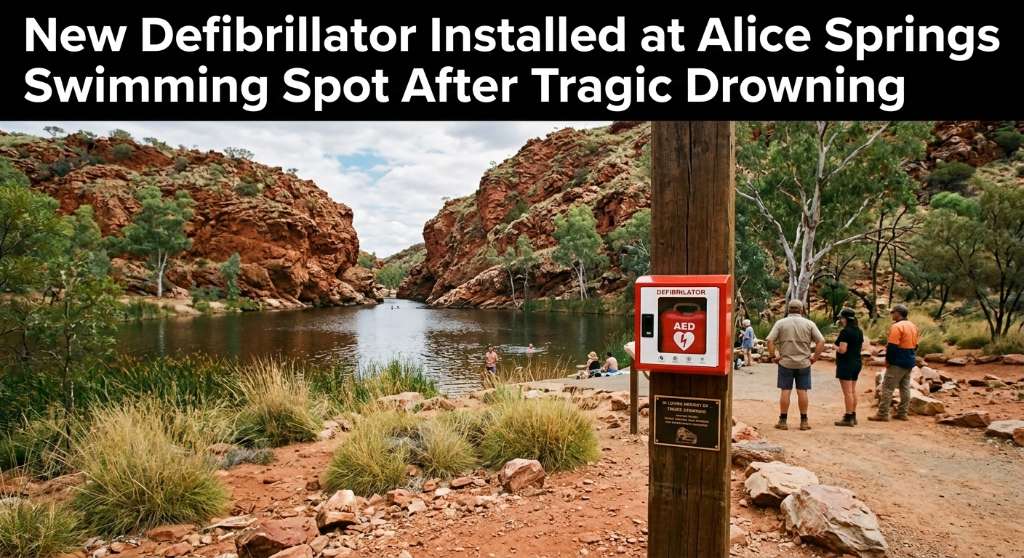
An automated external defibrillator and memorial plaque have been installed at Ellery Creek Big Hole following the death of disability advocate Ellen Fr...
Bathurst New South Wales · Community News · 17 Sep 2026
Kerry “Pecky” Peck, a long-standing Bathurst radio personality, has been inducted into the Bathurst Business Hall of Fame in recognition of his extensive contribution to the loc...
A new specialist family-violence support model has been introduced in Ballarat, with dedicated workers now embedded alongside Victoria Police to help people experiencing family...
Orange New South Wales · Community News · 17 Sep 2026
Orange City Council has elected a new Deputy Mayor for the next two years, with the decision announced today, 17 September 2026. The council said the election took place during...
A 36-year-old man has been charged after investigators allegedly found fraudulent identification documents, cloned number plates, cash and drug-manufact...
A Sydney court has heard that a man sent 249 messages to a former partner within 24 hours, with the messages treated as a single alleged breach of an ap...
A high-profile athlete has returned to court and told the hearing that an alleged unwanted kiss by former broadcaster Alan Jones remained difficult to f...
Work on the $150 million Sydney Town Hall Square project has been paused after the NSW Planning Minister referred the development for review by the Inde...
Cairns Regional Council has unanimously voted to seek $400,000 in Queensland Government funding for a program designed to connect local businesses with the region’s growing film...
An automated external defibrillator and memorial plaque have been installed at Ellery Creek Big Hole following the death of disability advocate Ellen Fr...
Queensland firefighters spent several hours monitoring a significant grass fire at Mary Kinross Park in Bargara, near Bundaberg, after the blaze broke out on Wednesday evening....