Safety note: Admin approval is an initial review, not a guarantee that every detail is correct. Check important or urgent claims with official sources and report anything inaccurate or unsafe.
A surgeon who worked across several hospitals in southern New South Wales has been suspended from practising for six months after a tribunal found her guilty of professional misconduct involving multiple patients.
A surgeon who practised across several regional hospitals in southern New South Wales has had her medical registration suspended for six months after the NSW Civil and Administrative Tribunal (NCAT) found her guilty of professional misconduct involving the treatment of 13 patients. The proceedings were brought by the NSW Health Care Complaints Commission (HCCC), which investigated a series of complaints spanning several years.
The surgeon, Dr Liu-Ming Schmidt, worked at several healthcare facilities including Albury Wodonga Health, Griffith Base Hospital, Tumut District Hospital and Breast Screen NSW. According to the tribunal, the complaints involved serious concerns about surgical performance, patient management, record-keeping and clinical decision-making.
One of the most serious incidents involved emergency bowel surgery performed in 2019. The tribunal found Dr Schmidt made what it described as a "catastrophic error" by creating a stoma from the wrong end of the bowel, resulting in a complete bowel obstruction. The patient later died from complications, with a coronial investigation previously finding the surgical error contributed to the death. The tribunal also found the error was not disclosed to the patient.
In another case, the tribunal found that during a colonoscopy in 2022, Dr Schmidt failed to detect a large bowel cancer. The cancer was identified approximately three months later during a repeat procedure conducted by another surgeon. The tribunal concluded that the missed diagnosis delayed appropriate treatment.
The investigation also identified broader concerns about colonoscopy practices between 2015 and 2021 while Dr Schmidt worked at Wodonga Hospital. She admitted failing to consistently capture adequate photographic evidence during procedures and acknowledged deficiencies in maintaining proper medical records. Those concerns led Safer Care Victoria to recall nearly 2,000 former colonoscopy patients, with approximately 1,000 undergoing repeat examinations as a precaution.
The tribunal recognised that Dr Schmidt had undertaken efforts to address some of the concerns raised during the investigation. However, it concluded she had not demonstrated sufficient insight into aspects of her conduct, noting that parts of her evidence were inconsistent and, at times, sought to place responsibility on others rather than fully accepting responsibility.
As part of its decision, NCAT suspended Dr Schmidt's registration for six months. Before she can return to medical practice, she must complete additional education, undergo supervision and satisfy conditions imposed by the Medical Board. She has also been ordered to pay the legal costs incurred by the Health Care Complaints Commission.
The case has renewed discussion about patient safety, clinical governance and the importance of robust oversight within regional healthcare services. Medical regulators emphasise that complaints are carefully investigated to maintain public confidence in Australia's healthcare system while ensuring practitioners meet professional standards.
TribunalComplaintsSchmidtMedicalPatient
A surgeon who practised across several regional hospitals in southern New South Wales has had her medical registration suspended for six months after the NSW Civil and Administrative Tribunal (NCAT) found her guilty of professional misconduct involving the treatment of 13 patients. The proceedings were brought by the NSW Health Care Complaints Commission (HCCC), which investigated a series of complaints spanning several years.
The surgeon, Dr Liu-Ming Schmidt, worked at several healthcare facilities including Albury Wodonga Health, Griffith Base Hospital, Tumut District Hospital and Breast Screen NSW. According to the tribunal, the complaints involved serious concerns about surgical performance, patient management, record-keeping and clinical decision-making.
One of the most serious incidents involved emergency bowel surgery performed in 2019. The tribunal found Dr Schmidt made what it described as a "catastrophic error" by creating a stoma from the wrong end of the bowel, resulting in a complete bowel obstruction. The patient later died from complications, with a coronial investigation previously finding the surgical error contributed to the death. The tribunal also found the error was not disclosed to the patient.
In another case, the tribunal found that during a colonoscopy in 2022, Dr Schmidt failed to detect a large bowel cancer. The cancer was identified approximately three months later during a repeat procedure conducted by another surgeon. The tribunal concluded that the missed diagnosis delayed appropriate treatment.
The investigation also identified broader concerns about colonoscopy practices between 2015 and 2021 while Dr Schmidt worked at Wodonga Hospital. She admitted failing to consistently capture adequate photographic evidence during procedures and acknowledged deficiencies in maintaining proper medical records. Those concerns led Safer Care Victoria to recall nearly 2,000 former colonoscopy patients, with approximately 1,000 undergoing repeat examinations as a precaution.
The tribunal recognised that Dr Schmidt had undertaken efforts to address some of the concerns raised during the investigation. However, it concluded she had not demonstrated sufficient insight into aspects of her conduct, noting that parts of her evidence were inconsistent and, at times, sought to place responsibility on others rather than fully accepting responsibility.
As part of its decision, NCAT suspended Dr Schmidt's registration for six months. Before she can return to medical practice, she must complete additional education, undergo supervision and satisfy conditions imposed by the Medical Board. She has also been ordered to pay the legal costs incurred by the Health Care Complaints Commission.
The case has renewed discussion about patient safety, clinical governance and the importance of robust oversight within regional healthcare services. Medical regulators emphasise that complaints are carefully investigated to maintain public confidence in Australia's healthcare system while ensuring practitioners meet professional standards.
South Australian health authorities report 22 meningococcal disease cases this year and urge eligible residents to receive vaccination as contact tracin...
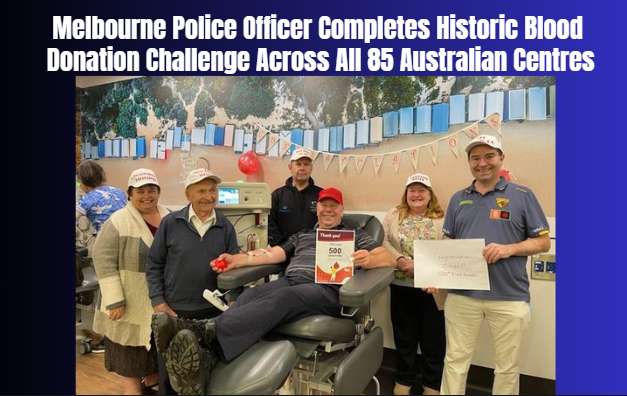
Trevor Bergman has completed an extraordinary national challenge by donating blood or plasma at all 85 Lifeblood donation centres across Australia, maki...
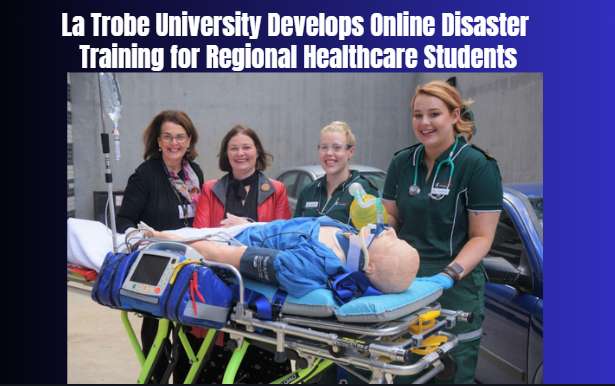
Interactive online games are being developed to help healthcare students in regional Australia practise responding to natural disasters and mass-casualt...
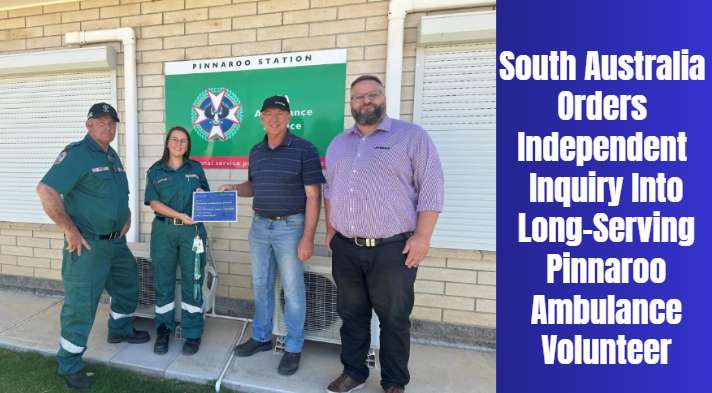
An external investigator will examine the case of volunteer ambulance officer Rob Berlin, who was stood down after almost 50 years of service, as commun...
New South Wales has begun accepting firearms under the national gun buyback scheme, but limited appointment availability has created an early challenge...
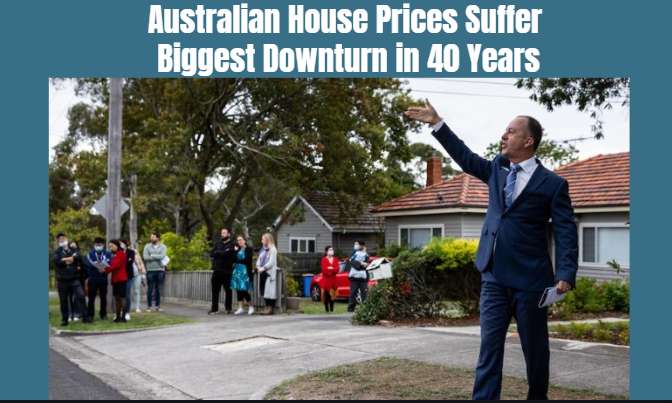
Australian property values have fallen for seven consecutive months, with the national median home value dropping approximately $63,400 since March as h...
Education experts support New South Wales' proposal to replace computer-based NAPLAN writing tests with traditional pen-and-paper examinations for stude...
Police are investigating after a one-year-old child died following a house fire in Collie, while several other people inside the property escaped safely.
A psychiatric report presented to South Australia's Supreme Court has raised questions about Tamika Chesser's mental competence in the case involving th...
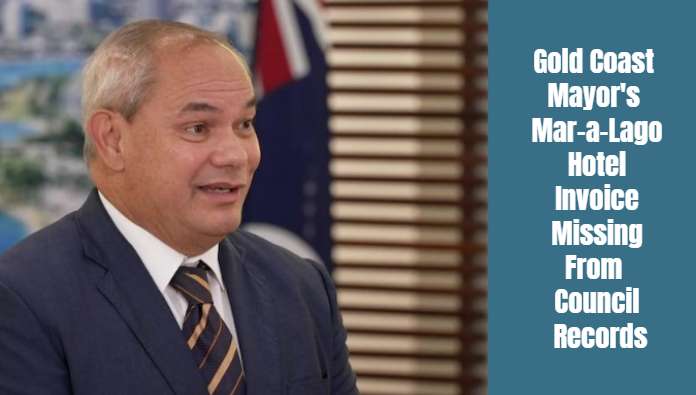
A freedom of information request has revealed that Gold Coast Council does not hold a copy of the invoice for Mayor Tom Tate's three-day stay at Donald...