Safety note: Admin approval is an initial review, not a guarantee that every detail is correct. Check important or urgent claims with official sources and report anything inaccurate or unsafe.
Source and credit: Contributor's own report
One Nation's Victorian Headquarters Left Vacant Amid Party Restructure - Melbourne, VIC
Smart summary
One Nation's former Victorian headquarters has been left largely deserted as the party restructures its operations in the state ahead of future election campaigns.
One Nation's former Victorian headquarters has become the focus of attention after the party's once-active Melbourne office was found to be largely vacant, reflecting broader organisational changes within its Victorian branch.
The office, which previously served as the party's operational base in Victoria, now shows few signs of regular political activity. The situation comes as the party reassesses its organisational structure and campaign strategy following recent political developments.
Founded by Pauline Hanson in 1997, One Nation has maintained a presence in Australian politics for nearly three decades, campaigning on issues including immigration, cost of living, energy policy and regional development. While the party continues to hold representation at the federal level, its organisational strength has varied significantly across different states.
In Victoria, One Nation has experienced periods of growth as well as internal challenges, including changes in leadership, candidate turnover and branch administration. Political analysts say maintaining active state organisations remains one of the ongoing challenges for smaller political parties competing against Australia's major parties.
The largely vacant headquarters has prompted discussion about the party's future direction in Victoria. However, political experts note that many modern political organisations increasingly rely on digital campaigning, remote administration and volunteer networks rather than maintaining large permanent offices.
Election campaigning has changed significantly over recent years, with political parties investing more resources in online advertising, social media engagement and mobile campaign teams instead of traditional office-based operations.
Despite the reduced activity at the Victorian headquarters, One Nation continues to state that it intends to contest future elections and remain active on issues affecting Victorian voters. Party representatives have previously said organisational structures evolve depending on campaign requirements and available resources.
The Victorian political landscape has become increasingly competitive, with major parties, independents and minor parties all seeking to attract voter support across metropolitan and regional electorates.
Political observers say smaller parties often face financial and organisational pressures between election cycles, making it common for office arrangements and staffing levels to change over time.
The party's national leadership continues to focus on building support across Australia while preparing for upcoming state and federal elections. Whether the Victorian organisation expands again will likely depend on future electoral priorities and campaign planning.
The changing use of the headquarters reflects a broader trend in Australian politics, where campaign operations are becoming more decentralised and technology-driven. Many parties now conduct significant portions of their administration online while relying on volunteers and local branches during election periods.
While the future of One Nation's Victorian headquarters remains uncertain, the party continues to participate in Australia's political system and has indicated it will remain engaged in public policy debates.
The development offers a glimpse into how political organisations adapt to changing campaign strategies, financial realities and evolving methods of connecting with voters in the digital age.
PoliticalPartyVictorianPartiesCampaign
One Nation's former Victorian headquarters has become the focus of attention after the party's once-active Melbourne office was found to be largely vacant, reflecting broader organisational changes within its Victorian branch.
The office, which previously served as the party's operational base in Victoria, now shows few signs of regular political activity. The situation comes as the party reassesses its organisational structure and campaign strategy following recent political developments.
Founded by Pauline Hanson in 1997, One Nation has maintained a presence in Australian politics for nearly three decades, campaigning on issues including immigration, cost of living, energy policy and regional development. While the party continues to hold representation at the federal level, its organisational strength has varied significantly across different states.
In Victoria, One Nation has experienced periods of growth as well as internal challenges, including changes in leadership, candidate turnover and branch administration. Political analysts say maintaining active state organisations remains one of the ongoing challenges for smaller political parties competing against Australia's major parties.
The largely vacant headquarters has prompted discussion about the party's future direction in Victoria. However, political experts note that many modern political organisations increasingly rely on digital campaigning, remote administration and volunteer networks rather than maintaining large permanent offices.
Election campaigning has changed significantly over recent years, with political parties investing more resources in online advertising, social media engagement and mobile campaign teams instead of traditional office-based operations.
Despite the reduced activity at the Victorian headquarters, One Nation continues to state that it intends to contest future elections and remain active on issues affecting Victorian voters. Party representatives have previously said organisational structures evolve depending on campaign requirements and available resources.
The Victorian political landscape has become increasingly competitive, with major parties, independents and minor parties all seeking to attract voter support across metropolitan and regional electorates.
Political observers say smaller parties often face financial and organisational pressures between election cycles, making it common for office arrangements and staffing levels to change over time.
The party's national leadership continues to focus on building support across Australia while preparing for upcoming state and federal elections. Whether the Victorian organisation expands again will likely depend on future electoral priorities and campaign planning.
The changing use of the headquarters reflects a broader trend in Australian politics, where campaign operations are becoming more decentralised and technology-driven. Many parties now conduct significant portions of their administration online while relying on volunteers and local branches during election periods.
While the future of One Nation's Victorian headquarters remains uncertain, the party continues to participate in Australia's political system and has indicated it will remain engaged in public policy debates.
The development offers a glimpse into how political organisations adapt to changing campaign strategies, financial realities and evolving methods of connecting with voters in the digital age.
The Federal Government is preparing new measures targeting temporary visas, visa overstayers, international students and visa-hopping, while maintaining...
One Nation’s proposed major reduction in migration has triggered warnings that a sharp cut to population growth could weaken Australia’s economy and cre...
New workplace data shows staff absenteeism jumped sharply during the historic MCG NFL event, while Melbourne businesses also benefited from a major spen...
Cairns Regional Council has unanimously voted to seek $400,000 in Queensland Government funding for a program designed to connect local businesses with the region’s growing film...
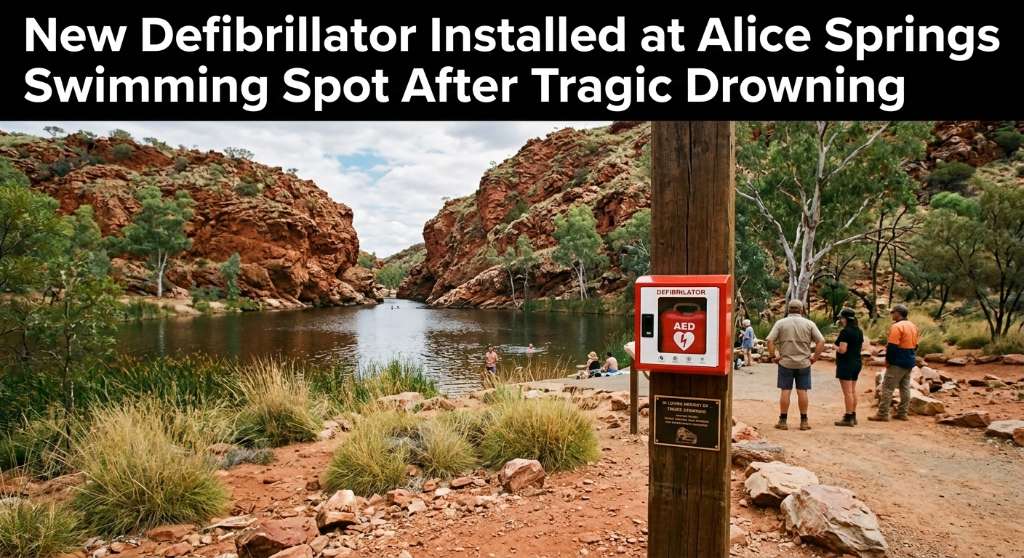
An automated external defibrillator and memorial plaque have been installed at Ellery Creek Big Hole following the death of disability advocate Ellen Fr...
Queensland firefighters spent several hours monitoring a significant grass fire at Mary Kinross Park in Bargara, near Bundaberg, after the blaze broke out on Wednesday evening....