Safety note: Admin approval is an initial review, not a guarantee that every detail is correct. Check important or urgent claims with official sources and report anything inaccurate or unsafe.
Source and credit: Contributor's own report
Port Macquarie Koala Hospital Data Reveals New Hope for Australia's Iconic Species - Port Macquarie, NSW
Smart summary
Analysis of Port Macquarie Koala Hospital records from 2018 to 2025 is examining whether conservation programs, rehabilitation efforts and breeding initiatives can help protect koalas from ongoing threats.
New analysis of Port Macquarie Koala Hospital data from 2018 to 2025 is providing important insights into the challenges facing koalas and whether targeted conservation programs can help secure a future for the threatened species.
The Port Macquarie Koala Hospital, operated by Koala Conservation Australia (KCA), has been caring for sick, injured and orphaned koalas for more than 50 years. Established in 1973, it was Australia's first dedicated koala hospital and has treated thousands of animals through rescue, rehabilitation and release programs.
The period covered by the data includes some of the most challenging years for Australian wildlife, including the devastating Black Summer bushfires of 2019–20, which caused widespread habitat destruction and placed enormous pressure on wildlife rescue organisations. During this period, Port Macquarie's conservation teams worked extensively to rescue and treat injured koalas affected by fire and habitat loss.
Researchers and conservation groups are using long-term records from facilities like the Koala Hospital to better understand patterns in koala health, injuries, rescue numbers and rehabilitation outcomes. These records help identify major threats, including habitat destruction, vehicle strikes, disease and climate-related impacts.
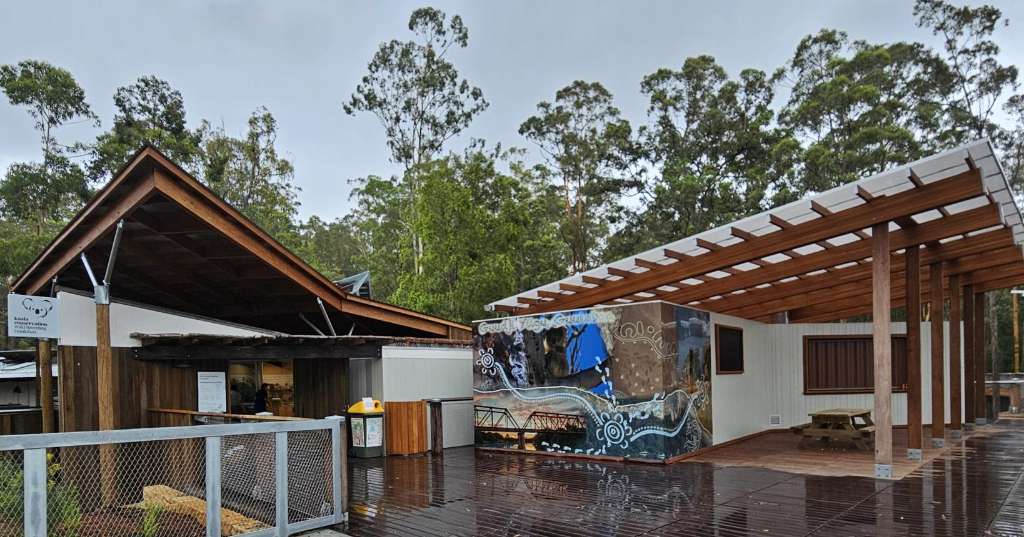
The data analysis comes as conservation organisations increase efforts to give koalas a better chance of survival. Koala Conservation Australia has expanded its work beyond hospital treatment, including habitat restoration, koala food tree planting, research programs and the development of a world-first Wild Koala Breeding Program at Guulabaa – Place of Koala near Port Macquarie.
The breeding program aims to strengthen wild koala populations by supporting genetic diversity and developing new conservation techniques. The program achieved a significant milestone with the birth of seven joeys during its first breeding season, providing optimism for future conservation efforts.
Habitat protection remains one of the biggest challenges for koala survival. Conservation experts say protecting existing forests, restoring damaged habitat and creating safe wildlife corridors are essential for allowing koala populations to recover.
Community involvement has also played a major role in Port Macquarie's conservation efforts. Thousands of volunteers, donors and local residents have supported koala rescue, tree planting and awareness programs. KCA has planted thousands of trees and continues to work on restoring important koala food tree habitats.
The Port Macquarie Koala Hospital is also undergoing a major redevelopment designed to improve veterinary care, rehabilitation facilities and conservation research. The upgraded facility will include modern treatment areas, improved koala enclosures and education spaces to help visitors better understand the challenges facing the species.
Conservation scientists say long-term data is critical because it allows organisations to measure whether programs are making a real difference. By studying trends over several years, researchers can identify which strategies are most effective in protecting koalas.
While challenges remain, the combination of hospital care, scientific research, habitat restoration and breeding programs is providing renewed hope.
The Port Macquarie Koala Hospital data project highlights how detailed conservation records can help guide future decisions and support efforts to ensure koalas remain part of Australia's natural environment for generations to come.
KoalaConservationHospitalMacquariePort
New analysis of Port Macquarie Koala Hospital data from 2018 to 2025 is providing important insights into the challenges facing koalas and whether targeted conservation programs can help secure a future for the threatened species.
The Port Macquarie Koala Hospital, operated by Koala Conservation Australia (KCA), has been caring for sick, injured and orphaned koalas for more than 50 years. Established in 1973, it was Australia's first dedicated koala hospital and has treated thousands of animals through rescue, rehabilitation and release programs.
The period covered by the data includes some of the most challenging years for Australian wildlife, including the devastating Black Summer bushfires of 2019–20, which caused widespread habitat destruction and placed enormous pressure on wildlife rescue organisations. During this period, Port Macquarie's conservation teams worked extensively to rescue and treat injured koalas affected by fire and habitat loss.
Researchers and conservation groups are using long-term records from facilities like the Koala Hospital to better understand patterns in koala health, injuries, rescue numbers and rehabilitation outcomes. These records help identify major threats, including habitat destruction, vehicle strikes, disease and climate-related impacts.
The data analysis comes as conservation organisations increase efforts to give koalas a better chance of survival. Koala Conservation Australia has expanded its work beyond hospital treatment, including habitat restoration, koala food tree planting, research programs and the development of a world-first Wild Koala Breeding Program at Guulabaa – Place of Koala near Port Macquarie.
The breeding program aims to strengthen wild koala populations by supporting genetic diversity and developing new conservation techniques. The program achieved a significant milestone with the birth of seven joeys during its first breeding season, providing optimism for future conservation efforts.
Habitat protection remains one of the biggest challenges for koala survival. Conservation experts say protecting existing forests, restoring damaged habitat and creating safe wildlife corridors are essential for allowing koala populations to recover.
Community involvement has also played a major role in Port Macquarie's conservation efforts. Thousands of volunteers, donors and local residents have supported koala rescue, tree planting and awareness programs. KCA has planted thousands of trees and continues to work on restoring important koala food tree habitats.
The Port Macquarie Koala Hospital is also undergoing a major redevelopment designed to improve veterinary care, rehabilitation facilities and conservation research. The upgraded facility will include modern treatment areas, improved koala enclosures and education spaces to help visitors better understand the challenges facing the species.
Conservation scientists say long-term data is critical because it allows organisations to measure whether programs are making a real difference. By studying trends over several years, researchers can identify which strategies are most effective in protecting koalas.
While challenges remain, the combination of hospital care, scientific research, habitat restoration and breeding programs is providing renewed hope.
The Port Macquarie Koala Hospital data project highlights how detailed conservation records can help guide future decisions and support efforts to ensure koalas remain part of Australia's natural environment for generations to come.
A 36-year-old man has been charged after investigators allegedly found fraudulent identification documents, cloned number plates, cash and drug-manufact...
A Sydney court has heard that a man sent 249 messages to a former partner within 24 hours, with the messages treated as a single alleged breach of an ap...
A high-profile athlete has returned to court and told the hearing that an alleged unwanted kiss by former broadcaster Alan Jones remained difficult to f...
Work on the $150 million Sydney Town Hall Square project has been paused after the NSW Planning Minister referred the development for review by the Inde...
Cairns Regional Council has unanimously voted to seek $400,000 in Queensland Government funding for a program designed to connect local businesses with the region’s growing film...
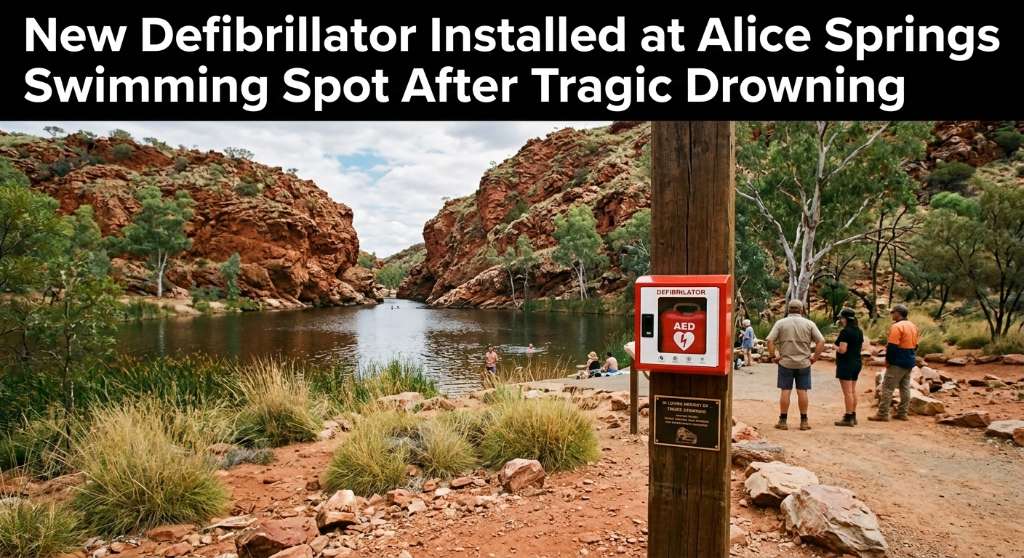
An automated external defibrillator and memorial plaque have been installed at Ellery Creek Big Hole following the death of disability advocate Ellen Fr...
Queensland firefighters spent several hours monitoring a significant grass fire at Mary Kinross Park in Bargara, near Bundaberg, after the blaze broke out on Wednesday evening....