Safety note: Admin approval is an initial review, not a guarantee that every detail is correct. Check important or urgent claims with official sources and report anything inaccurate or unsafe.
Source and credit: Contributor's own report
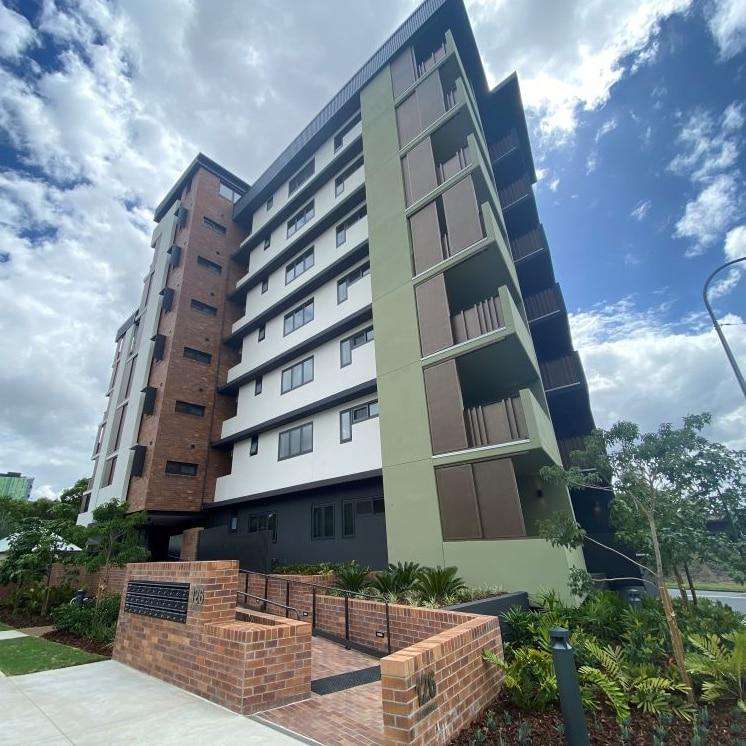
Queensland Public Housing Evictions Triple Under Tough New Behaviour Policy - Brisbane, QLD
Smart summary
Queensland has recorded a sharp increase in public housing evictions after introducing a stricter behaviour policy, with the government saying the rules are improving community safety while housing advocates warn vuln...
The number of households evicted from Queensland public housing has more than tripled during the first year of the state's new behaviour policy, sparking debate over the balance between protecting communities and supporting vulnerable tenants. According to figures released by the Queensland Government, 122 households were evicted between 1 July 2025 and 30 June 2026, compared with 39 households under the previous policy the year before.
The policy, introduced by the Queensland Government in July 2025, applies stricter consequences for tenants involved in repeated antisocial behaviour. Under the new rules, tenants who receive three written warnings within a 12-month period for serious misconduct—including aggressive language, harassment, intimidation or deliberate property damage—can face eviction. Those involved in dangerous or illegal activities, such as assault, drug manufacturing or other severe behaviour, may be evicted immediately and banned from accessing social housing for up to two years.
Housing Minister Sam O'Connor said the increase in evictions demonstrates that the new approach is working. He said the overwhelming majority of public housing tenants respect their neighbours and meet their responsibilities, but a small number of repeat offenders have been allowed to negatively affect communities for too long. According to the minister, the policy provides housing officers with clearer authority to respond when serious behavioural issues occur.
Government figures show that during the first year of the policy, more than 1,000 breach notices relating to disruptive behaviour were issued across Queensland. In addition to the 122 households formally evicted, another 91 households voluntarily left after receiving eviction notices before their matters proceeded to the Queensland Civil and Administrative Tribunal (QCAT). Of those evicted, 84 people were banned from applying for social housing for up to two years because of the seriousness of their behaviour.
While the government argues the tougher rules are improving safety for tenants and neighbours, housing advocates have expressed concern about the growing number of evictions. Tenants Queensland chief executive Penny Carr said many people living in social housing have complex circumstances, including mental illness, disability or trauma, and that eviction often worsens those challenges. She warned that many affected households have very limited housing alternatives and risk entering homelessness after losing their tenancy.
Advocates are also calling for stronger early intervention, additional support services and more affordable housing options to address behavioural issues before eviction becomes necessary. They argue that helping tenants access mental health, disability and family support services can reduce conflict while allowing people to remain safely housed.
Under the Queensland Government's policy, housing officers may exercise discretion for tenants experiencing complex circumstances, including disability, mental illness or domestic violence. However, serious or repeated antisocial behaviour can still lead to tenancy termination if improvement is not achieved. Tenants who are evicted may receive assistance to access private rental support, emergency accommodation and homelessness services, but restrictions apply before they can reapply for social housing.
The increase in evictions comes as Queensland continues to face significant demand for public housing, with thousands of people remaining on waiting lists. The policy remains a key part of the government's broader strategy to improve safety within social housing communities while ensuring housing is available for those who meet tenancy obligations. At the same time, community organisations continue to advocate for increased housing supply and stronger support programs to reduce the need for eviction.
Category:
HousingQueenslandTenantsPolicyBehaviour
The number of households evicted from Queensland public housing has more than tripled during the first year of the state's new behaviour policy, sparking debate over the balance between protecting communities and supporting vulnerable tenants. According to figures released by the Queensland Government, 122 households were evicted between 1 July 2025 and 30 June 2026, compared with 39 households under the previous policy the year before.
The policy, introduced by the Queensland Government in July 2025, applies stricter consequences for tenants involved in repeated antisocial behaviour. Under the new rules, tenants who receive three written warnings within a 12-month period for serious misconduct—including aggressive language, harassment, intimidation or deliberate property damage—can face eviction. Those involved in dangerous or illegal activities, such as assault, drug manufacturing or other severe behaviour, may be evicted immediately and banned from accessing social housing for up to two years.
Housing Minister Sam O'Connor said the increase in evictions demonstrates that the new approach is working. He said the overwhelming majority of public housing tenants respect their neighbours and meet their responsibilities, but a small number of repeat offenders have been allowed to negatively affect communities for too long. According to the minister, the policy provides housing officers with clearer authority to respond when serious behavioural issues occur.
Government figures show that during the first year of the policy, more than 1,000 breach notices relating to disruptive behaviour were issued across Queensland. In addition to the 122 households formally evicted, another 91 households voluntarily left after receiving eviction notices before their matters proceeded to the Queensland Civil and Administrative Tribunal (QCAT). Of those evicted, 84 people were banned from applying for social housing for up to two years because of the seriousness of their behaviour.
While the government argues the tougher rules are improving safety for tenants and neighbours, housing advocates have expressed concern about the growing number of evictions. Tenants Queensland chief executive Penny Carr said many people living in social housing have complex circumstances, including mental illness, disability or trauma, and that eviction often worsens those challenges. She warned that many affected households have very limited housing alternatives and risk entering homelessness after losing their tenancy.
Advocates are also calling for stronger early intervention, additional support services and more affordable housing options to address behavioural issues before eviction becomes necessary. They argue that helping tenants access mental health, disability and family support services can reduce conflict while allowing people to remain safely housed.
Under the Queensland Government's policy, housing officers may exercise discretion for tenants experiencing complex circumstances, including disability, mental illness or domestic violence. However, serious or repeated antisocial behaviour can still lead to tenancy termination if improvement is not achieved. Tenants who are evicted may receive assistance to access private rental support, emergency accommodation and homelessness services, but restrictions apply before they can reapply for social housing.
The increase in evictions comes as Queensland continues to face significant demand for public housing, with thousands of people remaining on waiting lists. The policy remains a key part of the government's broader strategy to improve safety within social housing communities while ensuring housing is available for those who meet tenancy obligations. At the same time, community organisations continue to advocate for increased housing supply and stronger support programs to reduce the need for eviction.
An automated external defibrillator and memorial plaque have been installed at Ellery Creek Big Hole following the death of disability advocate Ellen Fr...
Bathurst New South Wales · Community News · 17 Sep 2026
Kerry “Pecky” Peck, a long-standing Bathurst radio personality, has been inducted into the Bathurst Business Hall of Fame in recognition of his extensive contribution to the loc...
A new specialist family-violence support model has been introduced in Ballarat, with dedicated workers now embedded alongside Victoria Police to help people experiencing family...
Orange New South Wales · Community News · 17 Sep 2026
Orange City Council has elected a new Deputy Mayor for the next two years, with the decision announced today, 17 September 2026. The council said the election took place during...
Queensland's emerging football prospects are coming together for a three-day Brisbane Lions State Academy showcase, giving young players an opportunity...
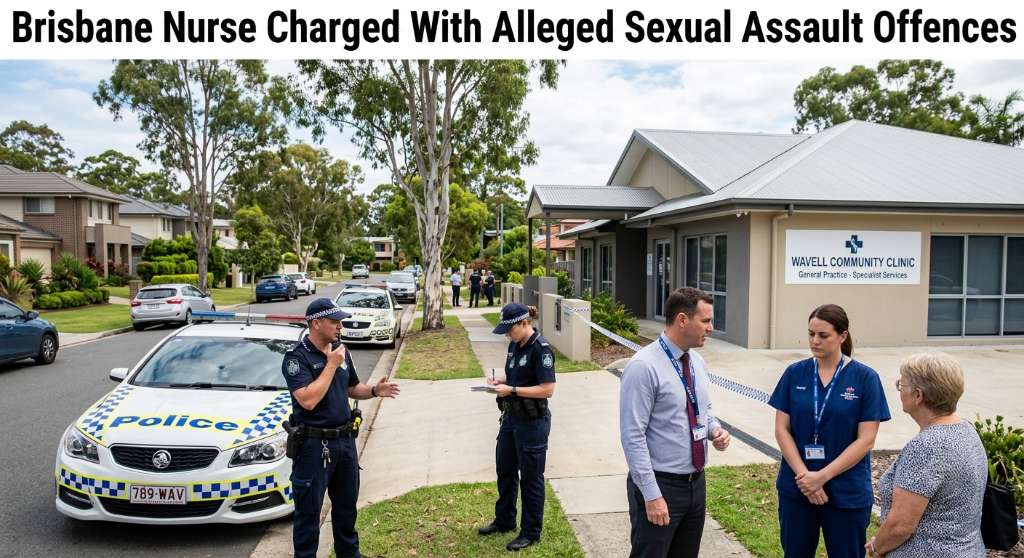
A Wavell Heights enrolled nurse has been charged with four counts of alleged sexual assault and one count of wilful exposure, with his professional regi...
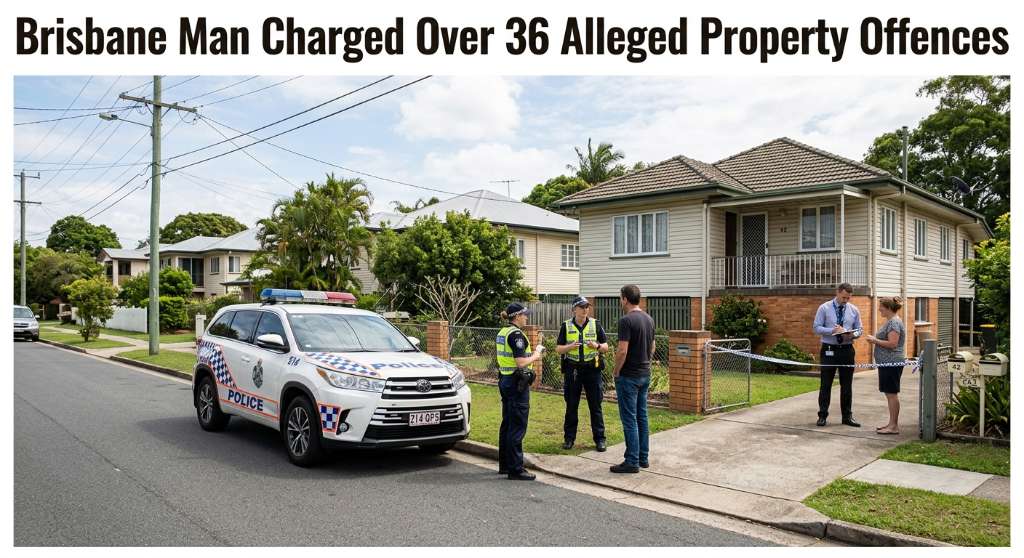
A 24-year-old Carina Heights man has been charged with 36 offences following an investigation into alleged break-ins, vehicle offences and other propert...
Cairns Regional Council has unanimously voted to seek $400,000 in Queensland Government funding for a program designed to connect local businesses with the region’s growing film...
An automated external defibrillator and memorial plaque have been installed at Ellery Creek Big Hole following the death of disability advocate Ellen Fr...
Queensland firefighters spent several hours monitoring a significant grass fire at Mary Kinross Park in Bargara, near Bundaberg, after the blaze broke out on Wednesday evening....