By Neha · Published 16 Jun 2026 · Updated 16 Jun 2026
Sydney, NSW · New South Wales News
Safety note: Admin approval is an initial review, not a guarantee that every detail is correct. Check important or urgent claims with official sources and report anything inaccurate or unsafe.
Source and credit: Contributor's own report
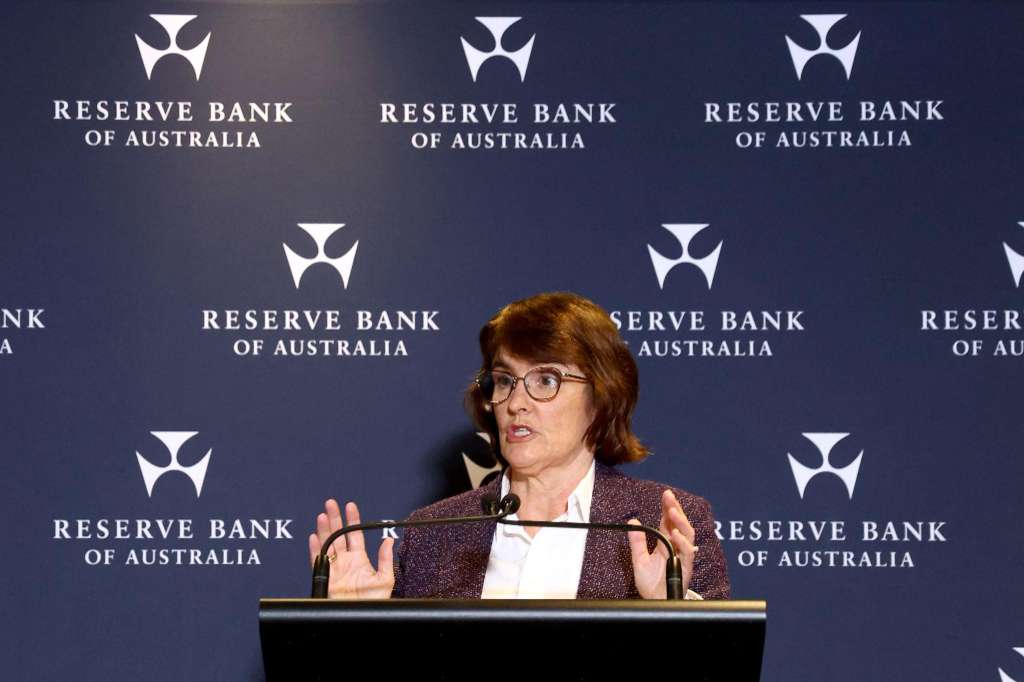
A conceptual image representing Australian finance and the Reserve Bank of Australia.
Smart summary
Reserve Bank keeps the cash rate unchanged for the first time this year but warns further increases remain possible as inflation stays above target.
Australian mortgage holders have been granted a temporary reprieve after the Reserve Bank of Australia (RBA) unanimously decided to keep the official cash rate unchanged at 4.35 per cent.
The decision, announced on Tuesday, marked the first RBA meeting in 2026 without an interest rate increase and aligned with financial market expectations that the central bank would pause its tightening cycle. Despite the hold, the RBA made it clear that the fight against inflation is not over and warned that further rate rises could still occur if price pressures persist.
All nine members of the RBA's Monetary Policy Board voted in favour of leaving rates unchanged. The move came amid signs of a slowing domestic economy and easing global energy concerns following reports of a peace agreement involving Iran that could help stabilise oil supplies through the Strait of Hormuz.
In its statement, the central bank emphasised that inflation remains unacceptably high, with Australia's annual inflation rate standing at 4.2 per cent in April. This figure remains well above the RBA's target range of 2 to 3 per cent and represents the ninth consecutive month that inflation has exceeded the desired band.
"The latest data show that headline and underlying inflation are still too high," the board said.
"It will do what it considers necessary to achieve that outcome, including increasing the cash rate target further if required."
Although global oil prices have eased in recent weeks, the RBA noted that energy costs and related commodity prices remain elevated compared with levels seen before recent tensions in the Middle East. Lower oil prices could eventually reduce inflationary pressures, but the central bank cautioned that such effects would take time to filter through the economy.
At the same time, Australia's economic growth has weakened. The economy expanded by just 0.3 per cent during the March quarter, down sharply from 0.9 per cent in the previous quarter. Meanwhile, the national unemployment rate rose to 4.5 per cent in April, its highest level in four years.
The RBA's previous rate increase occurred in May 2026, adding further strain to households already grappling with higher mortgage repayments and rising living costs. Tuesday's decision therefore provides welcome relief for millions of Australian borrowers, although economists caution that the pause should not necessarily be interpreted as the end of the tightening cycle.
Financial markets had widely anticipated the hold, but attention will now turn to future inflation readings and labour market data, which are likely to influence the RBA's next move.
Governor Michele Bullock is scheduled to provide further insights into the board's decision during a media conference later on Tuesday afternoon.
For now, borrowers can take comfort in the fact that their repayments will not increase immediately. However, with inflation still well above target, the possibility of future rate rises remains firmly on the table.
RateCentInflationBankFurther
Australian mortgage holders have been granted a temporary reprieve after the Reserve Bank of Australia (RBA) unanimously decided to keep the official cash rate unchanged at 4.35 per cent.
The decision, announced on Tuesday, marked the first RBA meeting in 2026 without an interest rate increase and aligned with financial market expectations that the central bank would pause its tightening cycle. Despite the hold, the RBA made it clear that the fight against inflation is not over and warned that further rate rises could still occur if price pressures persist.
All nine members of the RBA's Monetary Policy Board voted in favour of leaving rates unchanged. The move came amid signs of a slowing domestic economy and easing global energy concerns following reports of a peace agreement involving Iran that could help stabilise oil supplies through the Strait of Hormuz.
In its statement, the central bank emphasised that inflation remains unacceptably high, with Australia's annual inflation rate standing at 4.2 per cent in April. This figure remains well above the RBA's target range of 2 to 3 per cent and represents the ninth consecutive month that inflation has exceeded the desired band.
"The latest data show that headline and underlying inflation are still too high," the board said.
"It will do what it considers necessary to achieve that outcome, including increasing the cash rate target further if required."
Although global oil prices have eased in recent weeks, the RBA noted that energy costs and related commodity prices remain elevated compared with levels seen before recent tensions in the Middle East. Lower oil prices could eventually reduce inflationary pressures, but the central bank cautioned that such effects would take time to filter through the economy.
At the same time, Australia's economic growth has weakened. The economy expanded by just 0.3 per cent during the March quarter, down sharply from 0.9 per cent in the previous quarter. Meanwhile, the national unemployment rate rose to 4.5 per cent in April, its highest level in four years.
The RBA's previous rate increase occurred in May 2026, adding further strain to households already grappling with higher mortgage repayments and rising living costs. Tuesday's decision therefore provides welcome relief for millions of Australian borrowers, although economists caution that the pause should not necessarily be interpreted as the end of the tightening cycle.
Financial markets had widely anticipated the hold, but attention will now turn to future inflation readings and labour market data, which are likely to influence the RBA's next move.
Governor Michele Bullock is scheduled to provide further insights into the board's decision during a media conference later on Tuesday afternoon.
For now, borrowers can take comfort in the fact that their repayments will not increase immediately. However, with inflation still well above target, the possibility of future rate rises remains firmly on the table.
Tesla is preparing to bring its driverless Cybercab to Australia for a preview, giving Australians an early look at the company’s autonomous vehicle tec...
A 15-year-old Pacific Lutheran College student has developed a privacy-first women’s health app and presented her work at a major national cyber event.
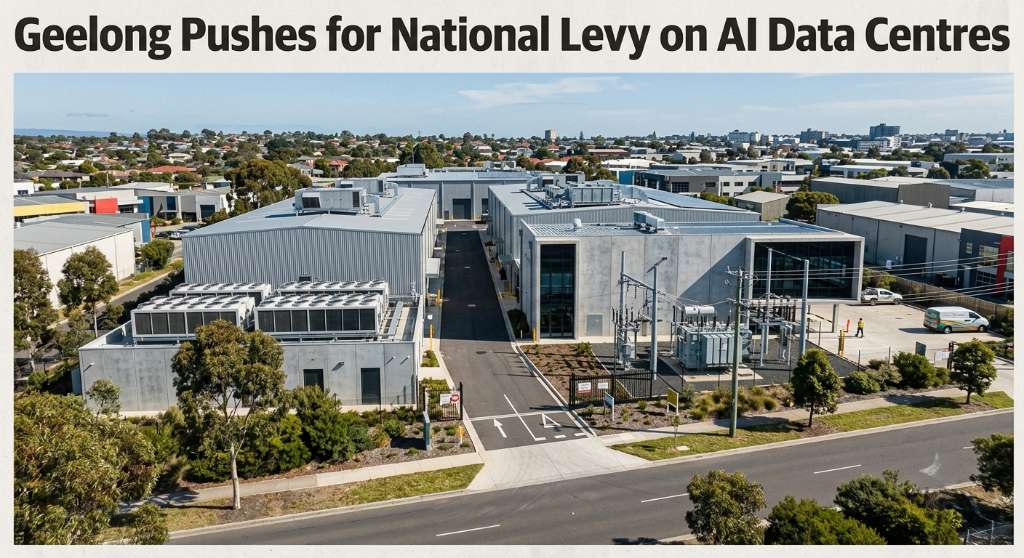
Greater Geelong Council wants data-centre operators to contribute to local infrastructure as community concerns grow over energy, water use and developm...
A 22-year-old man has been charged after a police pursuit involving an allegedly stolen Toyota utility near Moree in northern New South Wales. NSW Police published the update on...
Sydney New South Wales · General News · 15 Sep 2026
A tragic incident in Auburn, in Sydney’s west, has resulted in the death of a three-year-old girl after she was struck by a car in a residential driveway on Tuesday, September 1...
A 16-year-old boy is due to appear before a children’s court after being charged following an alleged brawl at a train station in Penrith, in Sydney’s west. The incident occurre...
A man in his 40s has been shot dead at the doorway of a home in Merrylands West, western Sydney, prompting a major police investigation. The shooting occurred on Wednesday after...
A 36-year-old man has been charged after investigators allegedly found fraudulent identification documents, cloned number plates, cash and drug-manufact...
A Sydney court has heard that a man sent 249 messages to a former partner within 24 hours, with the messages treated as a single alleged breach of an ap...
A high-profile athlete has returned to court and told the hearing that an alleged unwanted kiss by former broadcaster Alan Jones remained difficult to f...
Work on the $150 million Sydney Town Hall Square project has been paused after the NSW Planning Minister referred the development for review by the Inde...
Cairns Regional Council has unanimously voted to seek $400,000 in Queensland Government funding for a program designed to connect local businesses with the region’s growing film...
An automated external defibrillator and memorial plaque have been installed at Ellery Creek Big Hole following the death of disability advocate Ellen Fr...
Queensland firefighters spent several hours monitoring a significant grass fire at Mary Kinross Park in Bargara, near Bundaberg, after the blaze broke out on Wednesday evening....