Safety note: Admin approval is an initial review, not a guarantee that every detail is correct. Check important or urgent claims with official sources and report anything inaccurate or unsafe.
Source and credit: Contributor's own report
Technology helps uncover hidden stories from Allman Hill in Port Macquarie - Port Macquarie, NSW
Smart summary
New technology is helping researchers and historians reveal more about the people buried at Allman Hill Cemetery, providing fresh insights into Port Macquarie’s early history.
Modern technology is helping rewrite parts of the history of Allman Hill in Port Macquarie, allowing researchers to uncover new information about one of the region’s important heritage sites. Digital tools, historical records and advanced scanning techniques are being used to better understand the lives of people connected to the historic cemetery.
Allman Hill Cemetery is one of Port Macquarie’s significant historical locations, with burial records and monuments connected to the early development of the settlement. The site contains evidence from the town’s colonial period, including graves dating back to the 19th century.
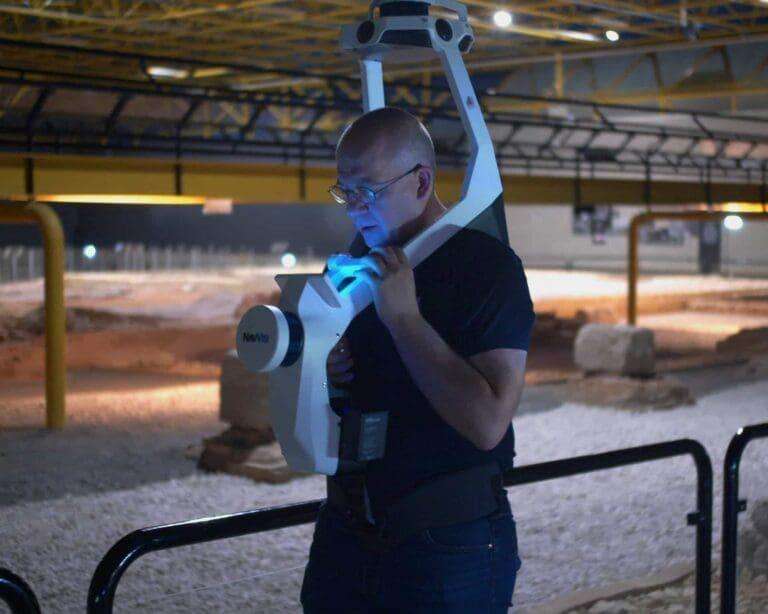
Researchers are now using technology to examine the site in ways that were not previously possible. Digital mapping, photography, scanning methods and database systems allow experts to record details of graves, inscriptions and historical features while reducing the need for physical disturbance of fragile heritage areas. Similar digital approaches are increasingly being used in archaeology to preserve and analyse historical sites.
The technology allows historians to create detailed digital records that can reveal information about people who lived in Port Macquarie during earlier periods. By combining archaeological evidence with historical documents, researchers can build a clearer picture of the community, including social conditions, migration patterns and the challenges faced by early residents.
Experts say digital archaeology is changing the way the past is studied. Instead of relying only on written records or visible monuments, researchers can now use advanced tools to analyse landscapes and objects, helping uncover stories that may have been overlooked for generations.
For Port Macquarie, the work at Allman Hill provides an opportunity to protect local heritage while making history more accessible to the community. Digital records can help future generations learn about the people who shaped the region and understand how the town developed over time.
The project also highlights the importance of preserving historic sites as urban areas continue to change. Heritage locations like Allman Hill provide valuable connections to the past, but they require careful management to protect monuments, records and archaeological evidence.
Technology is becoming an important partner for historians, allowing them to investigate old questions with new methods. From 3D models to digital archives, these tools are helping create a more complete understanding of Australia’s history.
The Allman Hill research demonstrates how innovation can bring forgotten stories back into public awareness. By combining traditional historical research with modern technology, researchers are continuing to discover new information about Port Macquarie’s past.
DigitalAllmanHillHistoricalMacquarie
Modern technology is helping rewrite parts of the history of Allman Hill in Port Macquarie, allowing researchers to uncover new information about one of the region’s important heritage sites. Digital tools, historical records and advanced scanning techniques are being used to better understand the lives of people connected to the historic cemetery.
Allman Hill Cemetery is one of Port Macquarie’s significant historical locations, with burial records and monuments connected to the early development of the settlement. The site contains evidence from the town’s colonial period, including graves dating back to the 19th century.
Researchers are now using technology to examine the site in ways that were not previously possible. Digital mapping, photography, scanning methods and database systems allow experts to record details of graves, inscriptions and historical features while reducing the need for physical disturbance of fragile heritage areas. Similar digital approaches are increasingly being used in archaeology to preserve and analyse historical sites.
The technology allows historians to create detailed digital records that can reveal information about people who lived in Port Macquarie during earlier periods. By combining archaeological evidence with historical documents, researchers can build a clearer picture of the community, including social conditions, migration patterns and the challenges faced by early residents.
Experts say digital archaeology is changing the way the past is studied. Instead of relying only on written records or visible monuments, researchers can now use advanced tools to analyse landscapes and objects, helping uncover stories that may have been overlooked for generations.
For Port Macquarie, the work at Allman Hill provides an opportunity to protect local heritage while making history more accessible to the community. Digital records can help future generations learn about the people who shaped the region and understand how the town developed over time.
The project also highlights the importance of preserving historic sites as urban areas continue to change. Heritage locations like Allman Hill provide valuable connections to the past, but they require careful management to protect monuments, records and archaeological evidence.
Technology is becoming an important partner for historians, allowing them to investigate old questions with new methods. From 3D models to digital archives, these tools are helping create a more complete understanding of Australia’s history.
The Allman Hill research demonstrates how innovation can bring forgotten stories back into public awareness. By combining traditional historical research with modern technology, researchers are continuing to discover new information about Port Macquarie’s past.
Tesla is preparing to bring its driverless Cybercab to Australia for a preview, giving Australians an early look at the company’s autonomous vehicle tec...
A 15-year-old Pacific Lutheran College student has developed a privacy-first women’s health app and presented her work at a major national cyber event.
Greater Geelong Council wants data-centre operators to contribute to local infrastructure as community concerns grow over energy, water use and developm...
A 36-year-old man has been charged after investigators allegedly found fraudulent identification documents, cloned number plates, cash and drug-manufact...
A Sydney court has heard that a man sent 249 messages to a former partner within 24 hours, with the messages treated as a single alleged breach of an ap...
A high-profile athlete has returned to court and told the hearing that an alleged unwanted kiss by former broadcaster Alan Jones remained difficult to f...
Work on the $150 million Sydney Town Hall Square project has been paused after the NSW Planning Minister referred the development for review by the Inde...
Cairns Regional Council has unanimously voted to seek $400,000 in Queensland Government funding for a program designed to connect local businesses with the region’s growing film...
An automated external defibrillator and memorial plaque have been installed at Ellery Creek Big Hole following the death of disability advocate Ellen Fr...
Queensland firefighters spent several hours monitoring a significant grass fire at Mary Kinross Park in Bargara, near Bundaberg, after the blaze broke out on Wednesday evening....