Remote Northern Territory Councils Struggle to Access Millions in Flood Recovery Funding
By Chloe · Published 28 Oct 2026 · Updated 28 Oct 2026
Central Aust, NT
Safety note: Admin approval is an initial review, not a guarantee that every detail is correct. Check important or urgent claims with official sources and report anything inaccurate or unsafe.
Source and credit: Contributor's own report
Remote Northern Territory Councils Struggle to Access Millions in Flood Recovery Funding - Central Aust, NT
Smart summary
Three Central Australian councils say complex paperwork and reimbursement rules are delaying repairs to flood-damaged roads, raising concerns ahead of another wet season.
Three councils in Central Australia say they are struggling to access government funding needed to repair roads and infrastructure damaged by flooding earlier this year. The delays have raised concerns that some communities could face further disruption if repairs are not completed before the next wet season.
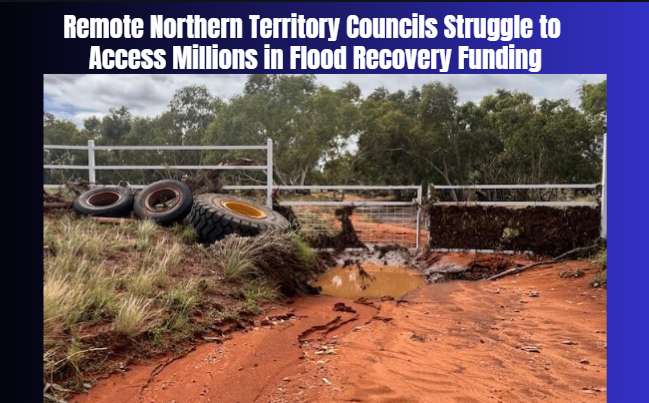
Heavy rainfall in February and March damaged roads across the region, affecting transport links and isolating some remote communities. Although the floodwaters have receded, local authorities say the process of securing funding to restore damaged infrastructure has been slow and complicated.
Barkly Regional Council has reported that approximately 70 per cent of its roads were affected by the flooding. Mayor Sid Vashist said the council had submitted a funding application worth between $4.3 million and $4.7 million to repair more than 30 roads and 127 damaged sites across eight communities.
The application required extensive documentation, including engineering assessments and supporting reports. The council said it had to spend money on consultants and assessments before receiving confirmation that its recovery costs would be reimbursed.
For a financially constrained regional council, these upfront expenses can create significant difficulties. Local authorities must continue delivering everyday services while also arranging repairs to roads, drainage systems and other infrastructure damaged by natural disasters.
Mac Donnell Regional Council has also reported difficulties accessing funding for the same flooding event. Chief executive Belinda Urquhart said the application requirements were particularly challenging for remote councils, which often have fewer staff and less administrative capacity than larger local governments.
The council has also raised concerns that current funding rules may prevent it from building new bridges or causeways in flood-prone areas where no structures previously existed. Such infrastructure could help communities remain connected during future floods, but the restrictions can limit the options available to councils seeking to improve resilience.
Alice Springs Town Council has reported delays involving its own recovery claims. Chief executive Peter Varris suggested that governments consider providing funding upfront so councils can engage contractors and begin repairs while assessments are underway, rather than requiring them to carry the costs until reimbursement is approved.
The federal government has acknowledged that the process needs improvement. Emergency Management Minister Kristy McBain said the existing system was taking too long and confirmed that a national task force was examining delays in disaster recovery funding.
The current arrangements generally require councils to submit claims through their state or territory government. Eligible costs are assessed before reimbursement proceeds, creating several stages that can slow down the release of funds.
The Northern Territory government said two councils' claims remained under assessment. It also acknowledged that national funding requirements can be difficult for some councils to meet and said it was working with the Commonwealth to simplify the process.
The government indicated that Mac Donnell Regional Council had not submitted a formal claim, although the reconstruction application process remained open. It also said eligible councils receive payments after claims are assessed, before the Territory seeks reimbursement from the Commonwealth.
The delays are especially concerning because Central Australia has experienced further damaging storms this month. Councils fear that if repairs remain incomplete, more rain could damage already weakened roads and increase the cost of recovery.
Road infrastructure is essential to remote communities, providing access to schools, healthcare, employment, supplies and emergency services. When roads are damaged, residents may face longer journeys or temporary isolation, while councils can struggle to maintain reliable transport links.
The debate has renewed calls for disaster recovery arrangements that are simpler, faster and better suited to the needs of small regional councils. Local leaders say they need practical funding support to restore damaged infrastructure and prepare for future extreme weather.
CouncilsFundingCouncilDamagedRoads
Three councils in Central Australia say they are struggling to access government funding needed to repair roads and infrastructure damaged by flooding earlier this year. The delays have raised concerns that some communities could face further disruption if repairs are not completed before the next wet season.
Heavy rainfall in February and March damaged roads across the region, affecting transport links and isolating some remote communities. Although the floodwaters have receded, local authorities say the process of securing funding to restore damaged infrastructure has been slow and complicated.
Barkly Regional Council has reported that approximately 70 per cent of its roads were affected by the flooding. Mayor Sid Vashist said the council had submitted a funding application worth between $4.3 million and $4.7 million to repair more than 30 roads and 127 damaged sites across eight communities.
The application required extensive documentation, including engineering assessments and supporting reports. The council said it had to spend money on consultants and assessments before receiving confirmation that its recovery costs would be reimbursed.
For a financially constrained regional council, these upfront expenses can create significant difficulties. Local authorities must continue delivering everyday services while also arranging repairs to roads, drainage systems and other infrastructure damaged by natural disasters.
Mac Donnell Regional Council has also reported difficulties accessing funding for the same flooding event. Chief executive Belinda Urquhart said the application requirements were particularly challenging for remote councils, which often have fewer staff and less administrative capacity than larger local governments.
The council has also raised concerns that current funding rules may prevent it from building new bridges or causeways in flood-prone areas where no structures previously existed. Such infrastructure could help communities remain connected during future floods, but the restrictions can limit the options available to councils seeking to improve resilience.
Alice Springs Town Council has reported delays involving its own recovery claims. Chief executive Peter Varris suggested that governments consider providing funding upfront so councils can engage contractors and begin repairs while assessments are underway, rather than requiring them to carry the costs until reimbursement is approved.
The federal government has acknowledged that the process needs improvement. Emergency Management Minister Kristy McBain said the existing system was taking too long and confirmed that a national task force was examining delays in disaster recovery funding.
The current arrangements generally require councils to submit claims through their state or territory government. Eligible costs are assessed before reimbursement proceeds, creating several stages that can slow down the release of funds.
The Northern Territory government said two councils' claims remained under assessment. It also acknowledged that national funding requirements can be difficult for some councils to meet and said it was working with the Commonwealth to simplify the process.
The government indicated that Mac Donnell Regional Council had not submitted a formal claim, although the reconstruction application process remained open. It also said eligible councils receive payments after claims are assessed, before the Territory seeks reimbursement from the Commonwealth.
The delays are especially concerning because Central Australia has experienced further damaging storms this month. Councils fear that if repairs remain incomplete, more rain could damage already weakened roads and increase the cost of recovery.
Road infrastructure is essential to remote communities, providing access to schools, healthcare, employment, supplies and emergency services. When roads are damaged, residents may face longer journeys or temporary isolation, while councils can struggle to maintain reliable transport links.
The debate has renewed calls for disaster recovery arrangements that are simpler, faster and better suited to the needs of small regional councils. Local leaders say they need practical funding support to restore damaged infrastructure and prepare for future extreme weather.
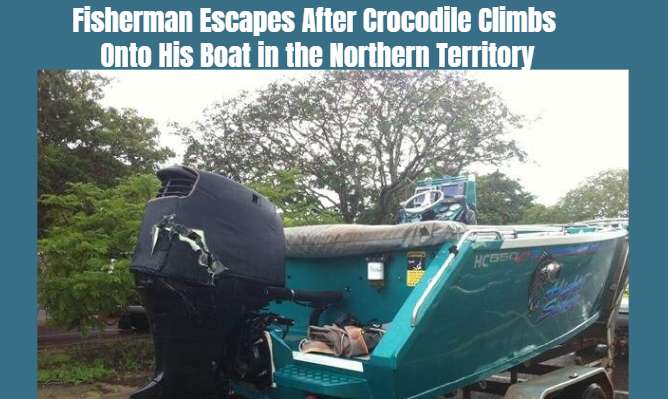
A fisherman escaped unharmed after a large crocodile climbed onto his boat while he was fishing alone on the Mary River, prompting renewed safety warnin...
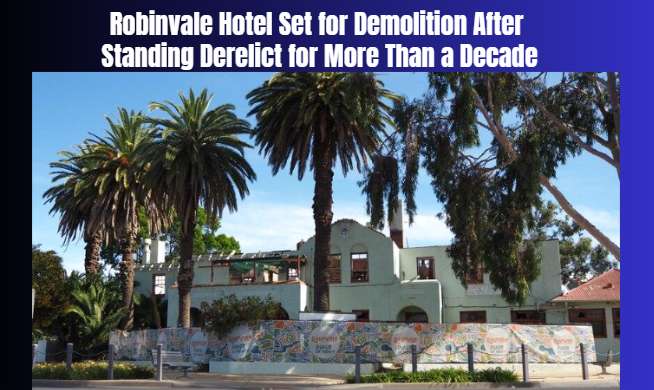
Swan Hill Rural City Council will demolish the historic Robinvale Hotel after an independent engineering assessment found the fire-damaged building unsafe.
A bill to prohibit conversion practices has passed Tasmania’s lower house, marking a significant step in the state’s debate over protections for LGBTQIA...
A fisherman escaped unharmed after a large crocodile climbed onto his boat while he was fishing alone on the Mary River, prompting renewed safety warnin...
A filmmaker from Bourke in western New South Wales has taken over leadership of an Indigenous film festival in Paris, creating an opportunity to bring A...
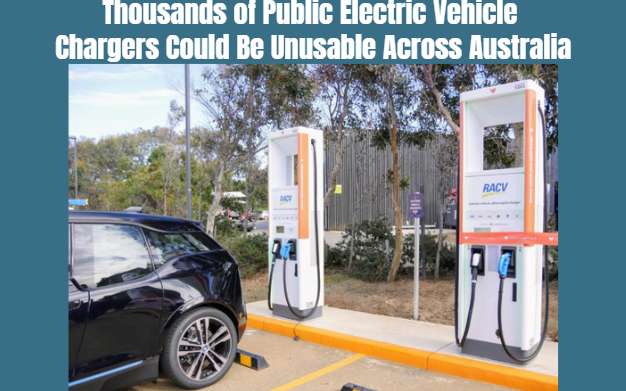
Concerns are growing over the reliability and availability of Australia's public electric vehicle charging network, with thousands of charging points po...
Indigenous women are using traditional weaving and craft-making to strengthen cultural connections, preserve knowledge passed down through generations a...
A psychiatric report presented to South Australia's Supreme Court has raised questions about Tamika Chesser's mental competence in the case involving th...
A freedom of information request has revealed that Gold Coast Council does not hold a copy of the invoice for Mayor Tom Tate's three-day stay at Donald...