Royal commission hears Elon Musk's X has fuelled rise in online antisemitism
By Neha · Published 01 Jul 2026 · Updated 01 Jul 2026
Sydney, NSW · New South Wales News
Safety note: Admin approval is an initial review, not a guarantee that every detail is correct. Check important or urgent claims with official sources and report anything inaccurate or unsafe.
Source and credit: Contributor's own report
Royal commission hears Elon Musk's X has fuelled rise in online antisemitism - Sydney, NSW
Smart summary
Australia's Royal Commission into Antisemitism and Social Cohesion has heard evidence that changes made to X, under owner Elon Musk, have contributed to an increase in antisemitic content and made it more difficult to...
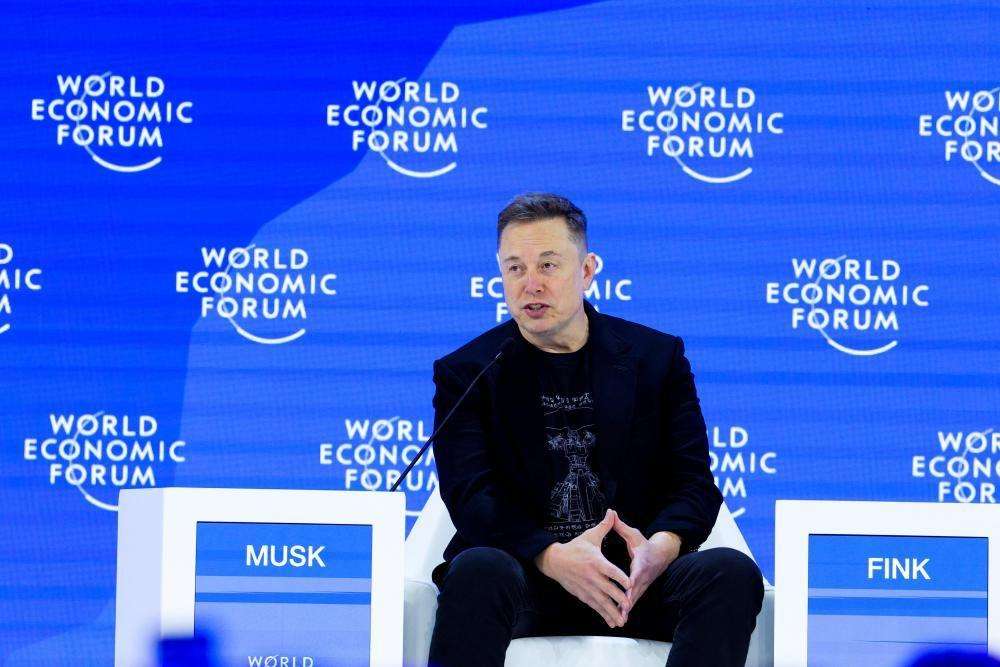
Australia's Royal Commission into Antisemitism and Social Cohesion has been told that social media platform X, formerly Twitter, has become a significant driver of online antisemitic content since its acquisition by billionaire Elon Musk.
During public hearings on Wednesday, Andre Oboler, chief executive of the Online Hate Prevention Institute, told the commission that the platform's moderation standards had changed dramatically following Musk's takeover in 2022. He said the shift toward what he described as "absolute free speech" had resulted in a sharp increase in antisemitic posts and made it much harder for organisations monitoring online hate to have harmful material removed.
Oboler told the commission his organisation had previously worked directly with Twitter to report harmful content, but communication with the company had effectively stopped after Musk's ownership began. He said the institute had experienced repeated difficulties engaging with X and that moderation systems appeared to be significantly reduced.
The evidence forms part of the royal commission's broader examination into how digital platforms contribute to the spread of antisemitism and whether Australia's existing regulatory framework is sufficient to respond to online hate. The inquiry was established following the 2025 antisemitic terrorist attack at Bondi and is investigating both online and offline factors contributing to antisemitism in Australia.
The commission also heard that while companies such as Meta, Google and Tik Tok had engaged with the inquiry to varying degrees, X had not responded to repeated requests for cooperation. Other overseas-based platforms, including Telegram and Gab, were also criticised for limited or no engagement with investigators.
Oboler acknowledged that criticism of Israel and support for Palestinian causes are not inherently antisemitic, but said his organisation had identified an increase in harmful rhetoric and antisemitic content online following major international events. He stressed that distinguishing legitimate political debate from hate speech remains an important part of the institute's work.
The commission is also examining whether stronger powers should be granted to Australia's e Safety Commissioner and whether new standards or regulations are needed to require digital platforms to respond more effectively to harmful content. Future hearings will hear from technology companies, regulators and academic experts before recommendations are made.
Musk has previously rejected accusations that he is personally antisemitic and has defended his approach to content moderation as supporting freedom of expression. However, critics argue that reducing moderation and reinstating previously banned accounts has allowed extremist content to spread more widely.
The royal commission is expected to continue hearing evidence from a range of witnesses before delivering its final report later this year, which may include recommendations for stronger regulation of online platforms and improved protections against hate speech.
CommissionOnlineAntisemiticContentHate
Australia's Royal Commission into Antisemitism and Social Cohesion has been told that social media platform X, formerly Twitter, has become a significant driver of online antisemitic content since its acquisition by billionaire Elon Musk.
During public hearings on Wednesday, Andre Oboler, chief executive of the Online Hate Prevention Institute, told the commission that the platform's moderation standards had changed dramatically following Musk's takeover in 2022. He said the shift toward what he described as "absolute free speech" had resulted in a sharp increase in antisemitic posts and made it much harder for organisations monitoring online hate to have harmful material removed.
Oboler told the commission his organisation had previously worked directly with Twitter to report harmful content, but communication with the company had effectively stopped after Musk's ownership began. He said the institute had experienced repeated difficulties engaging with X and that moderation systems appeared to be significantly reduced.
The evidence forms part of the royal commission's broader examination into how digital platforms contribute to the spread of antisemitism and whether Australia's existing regulatory framework is sufficient to respond to online hate. The inquiry was established following the 2025 antisemitic terrorist attack at Bondi and is investigating both online and offline factors contributing to antisemitism in Australia.
The commission also heard that while companies such as Meta, Google and Tik Tok had engaged with the inquiry to varying degrees, X had not responded to repeated requests for cooperation. Other overseas-based platforms, including Telegram and Gab, were also criticised for limited or no engagement with investigators.
Oboler acknowledged that criticism of Israel and support for Palestinian causes are not inherently antisemitic, but said his organisation had identified an increase in harmful rhetoric and antisemitic content online following major international events. He stressed that distinguishing legitimate political debate from hate speech remains an important part of the institute's work.
The commission is also examining whether stronger powers should be granted to Australia's e Safety Commissioner and whether new standards or regulations are needed to require digital platforms to respond more effectively to harmful content. Future hearings will hear from technology companies, regulators and academic experts before recommendations are made.
Musk has previously rejected accusations that he is personally antisemitic and has defended his approach to content moderation as supporting freedom of expression. However, critics argue that reducing moderation and reinstating previously banned accounts has allowed extremist content to spread more widely.
The royal commission is expected to continue hearing evidence from a range of witnesses before delivering its final report later this year, which may include recommendations for stronger regulation of online platforms and improved protections against hate speech.
New evidence indicates autonomous Open AI agents attempted to access information from several Australian government and public-sector websites, expanding...
A new Cooperative Research Centre based at the University of Queensland's Brisbane city campus will bring researchers, industry and government together...
Residents in Gisborne South can now access improved mobile phone coverage after a new Telstra tower was installed at I R Robertson Reserve following yea...
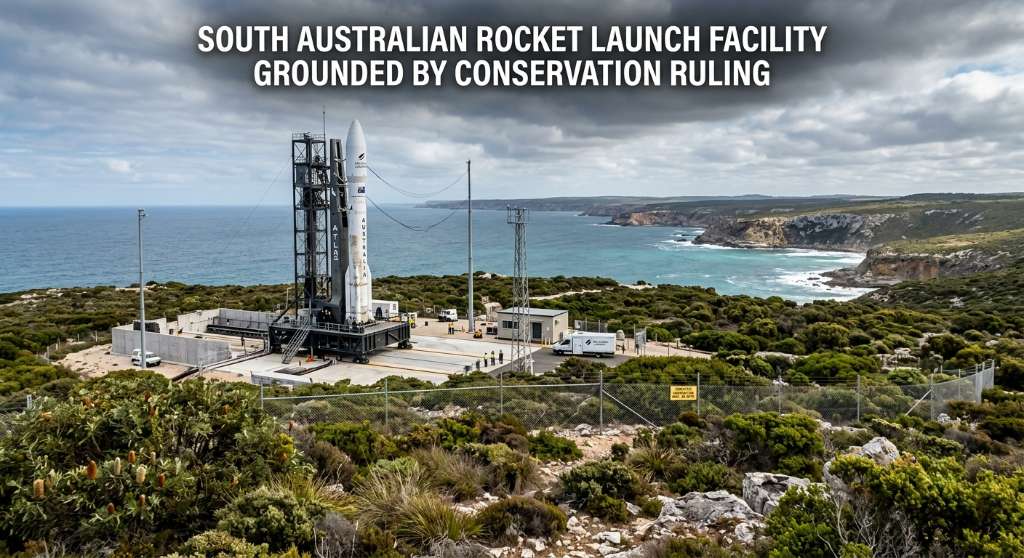
A proposed rocket launch facility near Port Lincoln has been put on hold after South Australia's Native Vegetation Council rejected an application to al...
A new proposal for factory-built ecohomes in Orange aims to speed up construction while reducing household energy costs as local property prices remain...
An 18-year-old man has been charged after NSW Police allege he used a drone to conduct surveillance as part of a conspiracy to murder a man in Sydney's...
An 18-year-old man has been charged after NSW Police allege he operated a drone to conduct surveillance as part of a conspiracy to murder a man in Sydne...
A 22-year-old Elimbah man has been charged after a two-car crash at Baringa on the Sunshine Coast, with police alleging he fled into nearby bushland bef...
A new proposal for factory-built ecohomes in Orange aims to speed up construction while reducing household energy costs as local property prices remain...
Geelong's historic Botanic Gardens are preparing for their 175th anniversary, with volunteers and horticultural staff working to preserve a living colle...