Safety note: Admin approval is an initial review, not a guarantee that every detail is correct. Check important or urgent claims with official sources and report anything inaccurate or unsafe.
Source and credit: Contributor's own report
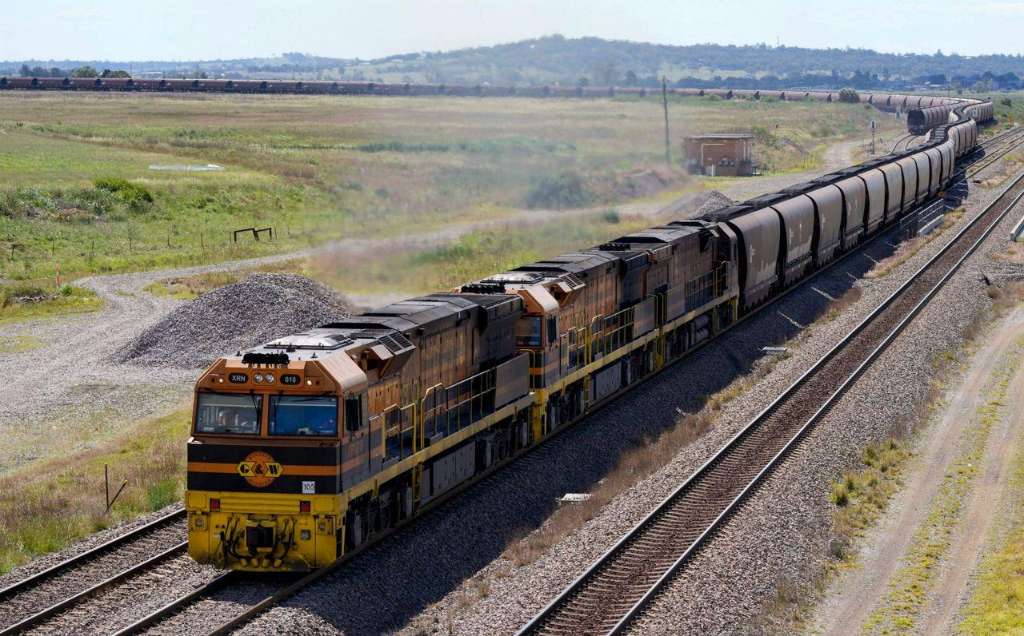
Runaway Hunter Valley coal train described as rail network's 'worst-case scenario' - Hunter Valley, NSW
Smart summary
Rail safety experts say the runaway coal train that rolled through the Hunter Valley without a crew on board represents one of the most serious incidents possible on Australia's rail network, prompting a major investi...
A runaway coal train that travelled several kilometres without anyone on board through the New South Wales Hunter Valley has been described by rail safety experts as the "worst-case scenario" for Australia's rail network.
The fully loaded Pacific National coal train began rolling downhill during a crew change in the early hours of 25 July 2026 at Camberwell, between Singleton and Muswellbrook. According to investigators, the unmanned train gathered speed as it travelled along the rail corridor before eventually coming to a stop near Glennies Creek. Authorities say no injuries, derailments or collisions occurred during the incident.
The Australian Broadcasting Corporation reports the train reached speeds above 60 kilometres per hour, exceeding the line's normal safe operating speed. During its journey, the train passed through at least one public level crossing. Safety experts noted that automated signalling systems activated the boom gates correctly, helping to prevent a collision with road traffic.
University of Sydney transport management specialist Dr Geoffrey Clifton described the event as one of the most serious situations that can occur on a railway network.
According to Dr Clifton, investigators will seek to determine whether the incident resulted from a braking system failure, incorrect brake application, mechanical malfunction or another contributing factor. He noted that runaway trains are extremely rare in normal rail operations and every such incident provides important safety lessons for the industry.
The Office of the National Rail Safety Regulator (ONRSR) has deployed investigators, rail safety officers and rolling stock specialists to the Hunter Valley. A Non-Disturbance Notice has been issued to preserve the scene while investigators collect evidence, inspect equipment and obtain operational records from Pacific National.
Pacific National said it is treating the incident "extremely seriously" and is fully cooperating with regulators. The company confirmed there were no injuries to crew members or the public and emphasised that safety remains its highest priority. However, it has declined to speculate publicly on the cause while investigations continue.
The incident temporarily disrupted both coal freight and passenger rail services in the Hunter Valley for approximately 36 hours. The Australian Rail Track Corporation later confirmed that one locomotive sustained significant wheel damage but there was no derailment, allowing the rail corridor to reopen after safety inspections and recovery operations were completed.
Investigators will now examine operational procedures, braking systems, crew actions and technical data to establish exactly how a fully loaded train was able to move without personnel on board. The findings could lead to recommendations aimed at preventing similar incidents across Australia's freight rail network.
The ONRSR investigation remains ongoing, and a final report is expected once technical analysis and evidence gathering have been completed.
RailSafetyTrainIncidentInvestigators
A runaway coal train that travelled several kilometres without anyone on board through the New South Wales Hunter Valley has been described by rail safety experts as the "worst-case scenario" for Australia's rail network.
The fully loaded Pacific National coal train began rolling downhill during a crew change in the early hours of 25 July 2026 at Camberwell, between Singleton and Muswellbrook. According to investigators, the unmanned train gathered speed as it travelled along the rail corridor before eventually coming to a stop near Glennies Creek. Authorities say no injuries, derailments or collisions occurred during the incident.
The Australian Broadcasting Corporation reports the train reached speeds above 60 kilometres per hour, exceeding the line's normal safe operating speed. During its journey, the train passed through at least one public level crossing. Safety experts noted that automated signalling systems activated the boom gates correctly, helping to prevent a collision with road traffic.
University of Sydney transport management specialist Dr Geoffrey Clifton described the event as one of the most serious situations that can occur on a railway network.
According to Dr Clifton, investigators will seek to determine whether the incident resulted from a braking system failure, incorrect brake application, mechanical malfunction or another contributing factor. He noted that runaway trains are extremely rare in normal rail operations and every such incident provides important safety lessons for the industry.
The Office of the National Rail Safety Regulator (ONRSR) has deployed investigators, rail safety officers and rolling stock specialists to the Hunter Valley. A Non-Disturbance Notice has been issued to preserve the scene while investigators collect evidence, inspect equipment and obtain operational records from Pacific National.
Pacific National said it is treating the incident "extremely seriously" and is fully cooperating with regulators. The company confirmed there were no injuries to crew members or the public and emphasised that safety remains its highest priority. However, it has declined to speculate publicly on the cause while investigations continue.
The incident temporarily disrupted both coal freight and passenger rail services in the Hunter Valley for approximately 36 hours. The Australian Rail Track Corporation later confirmed that one locomotive sustained significant wheel damage but there was no derailment, allowing the rail corridor to reopen after safety inspections and recovery operations were completed.
Investigators will now examine operational procedures, braking systems, crew actions and technical data to establish exactly how a fully loaded train was able to move without personnel on board. The findings could lead to recommendations aimed at preventing similar incidents across Australia's freight rail network.
The ONRSR investigation remains ongoing, and a final report is expected once technical analysis and evidence gathering have been completed.
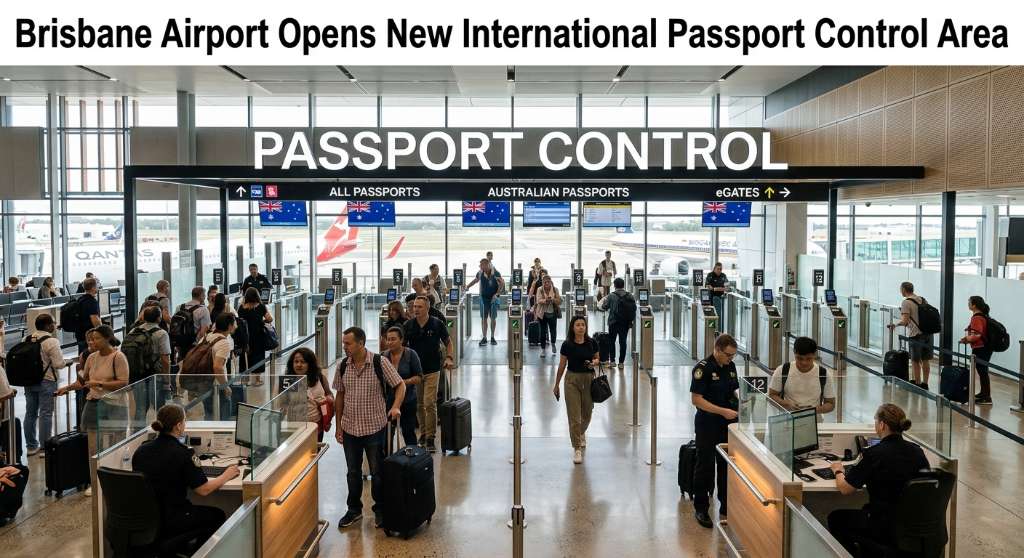
A new 12-lane passport control facility has opened at Brisbane Airport as the airport prepares for more than 1.8 million passengers during the September...
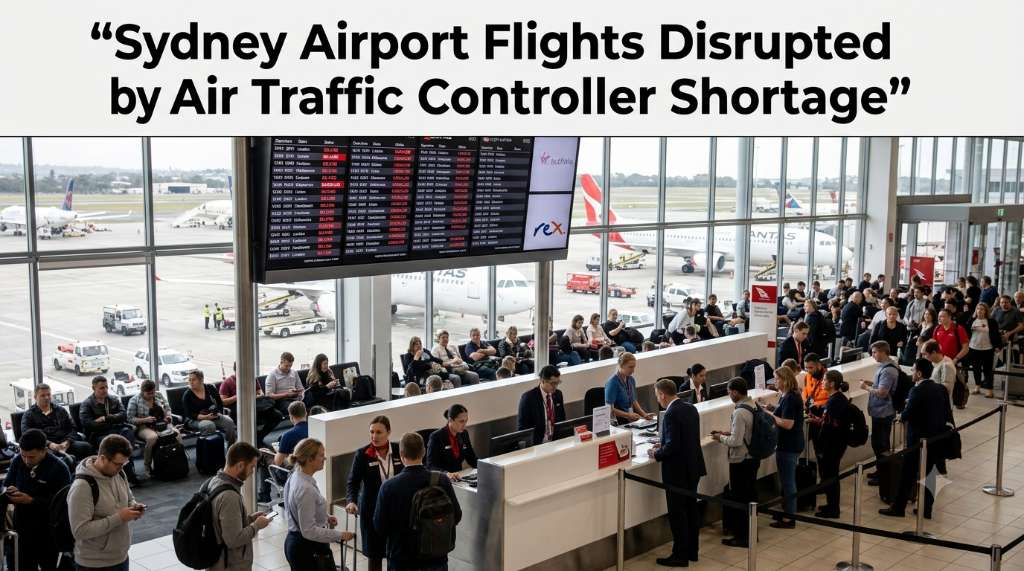
Flight delays and cancellations affected Sydney Airport passengers on Friday morning after staffing shortages prompted temporary air-traffic management...
Some Brisbane motorists are covering their licence plates to avoid automatic parking enforcement cameras as council fines approach $35 million this year.
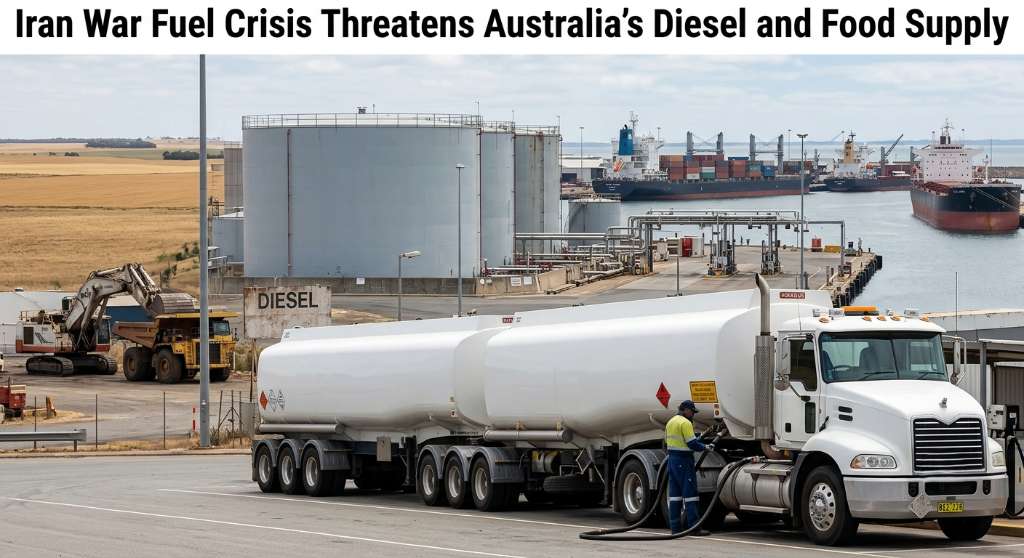
Global diesel shortages and disrupted shipping routes are pushing up fuel costs and creating growing risks for Australia’s farmers, miners and wider eco...
A push is underway to expand NSW Police drone technology to Gunnedah, with the equipment proposed for crime response, offender searches and emergencies.
Cairns Regional Council has unanimously voted to seek $400,000 in Queensland Government funding for a program designed to connect local businesses with the region’s growing film...
An automated external defibrillator and memorial plaque have been installed at Ellery Creek Big Hole following the death of disability advocate Ellen Fr...
Queensland firefighters spent several hours monitoring a significant grass fire at Mary Kinross Park in Bargara, near Bundaberg, after the blaze broke out on Wednesday evening....