Safety note: Admin approval is an initial review, not a guarantee that every detail is correct. Check important or urgent claims with official sources and report anything inaccurate or unsafe.
Source and credit: Contributor's own report
Seven Australian Startups Receive $15.6 Million for Dementia Research - National, ACT
Smart summary
Seven Australian health startups will share $15.6 million in equity-free funding to develop new dementia treatments, early-detection tools, gene therapies and artificial-intelligence technologies.
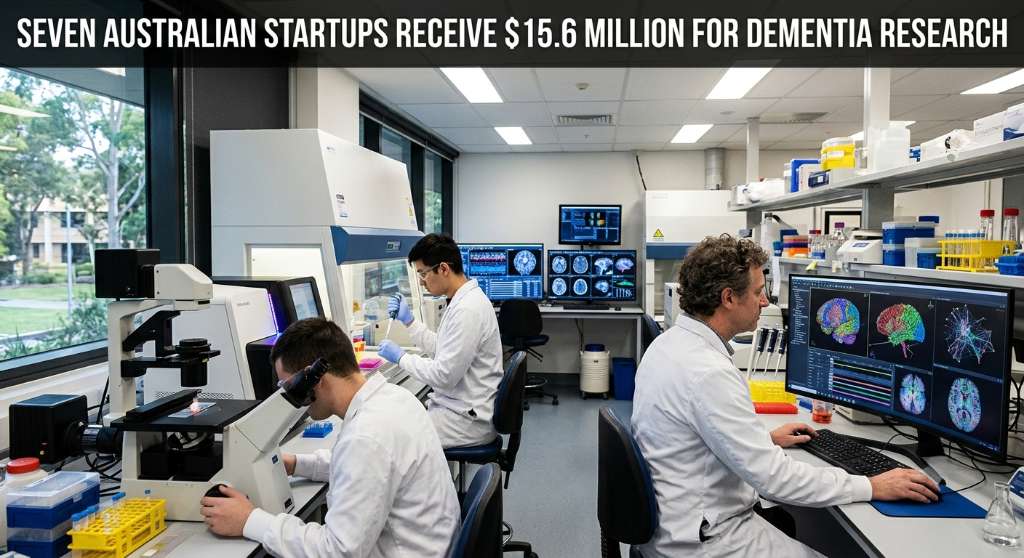
Seven Australian startups have been awarded a combined $15.6 million to accelerate the development of treatments, diagnostic tools and technologies targeting dementia and cognitive decline.
The funding is part of the second round of the CUREator+ Dementia & Cognitive Decline program, which supports early-stage Australian medical research and helps researchers move promising technologies towards commercial development.
The seven companies are working on different approaches to dementia and related neurological conditions. Their projects range from gene-editing technology for childhood dementia to digital tools designed to identify cognitive decline at an earlier stage.
Two companies received the largest individual grants of $2.5 million. Melbourne-based Kinoxis Therapeutics will use the funding to develop a potential treatment for chronic agitation and aggression associated with dementia.
Tasmania's Tas Test also received $2.5 million to develop a digital self-assessment tool intended to identify dementia risk well before symptoms become obvious. The technology is designed to give people an opportunity to take action earlier if signs of cognitive decline are detected.
Synerva Therapeutics in Victoria received almost $2.49 million for research into therapies designed to prevent the death of nerve cells associated with Parkinson's disease and related dementias.
Queensland company Quinthera received $2.425 million for an oral treatment targeting neuroinflammation associated with Alzheimer's disease and related dementias.
Western Australian startup Code Breakers was awarded almost $2.13 million for a gene-editing therapy aimed at childhood dementia caused by mitochondrial disease. The project is exploring whether genetic technology could potentially reverse the underlying disease process.
Another Victorian company, Healthily, received about $1.93 million to develop an artificial-intelligence-powered voice platform designed to identify cognitive decline earlier in older Australians.
Queensland-based Intracellica Bio received approximately $1.61 million to develop an antibody therapy that targets tau proteins inside cells. Tau abnormalities are associated with Alzheimer's disease and several other neurodegenerative conditions.
The grants are non-dilutive, meaning the participating startups do not have to give up equity in their companies in exchange for the funding. Alongside financial support, the program provides commercialisation expertise and access to industry networks.
The program is funded through the Australian Government's Medical Research Future Fund and delivered by Brandon Bio Catalyst in partnership with ANDHealth and Dementia Australia.
Researchers involved in the program say the wide range of approaches is important because dementia is a complex group of conditions and is unlikely to have a single treatment or solution.
The projects cover several stages of the dementia challenge, including earlier detection, development of medicines, gene therapy, artificial intelligence and digital health.
The funding also reflects the growing role of Australian biotechnology startups in developing medical technologies. Providing early-stage companies with both funding and commercialisation support can help research teams conduct further testing, develop evidence and prepare potential products for future use.
Dementia remains a significant health issue in Australia. The Australian Institute of Health and Welfare estimates that about 459,000 Australians are expected to be living with dementia in 2026, although the exact number is not known.
The seven funded companies will now progress their individual research and development programs. Their projects remain at different stages of development, so the funding does not mean that the treatments or technologies are already available to patients.
The latest grants represent a further investment in Australian medical innovation and research aimed at improving understanding, detection and treatment of dementia and other neurodegenerative diseases.
DementiaMillionResearchFundingReceived
Seven Australian startups have been awarded a combined $15.6 million to accelerate the development of treatments, diagnostic tools and technologies targeting dementia and cognitive decline.
The funding is part of the second round of the CUREator+ Dementia & Cognitive Decline program, which supports early-stage Australian medical research and helps researchers move promising technologies towards commercial development.
The seven companies are working on different approaches to dementia and related neurological conditions. Their projects range from gene-editing technology for childhood dementia to digital tools designed to identify cognitive decline at an earlier stage.
Two companies received the largest individual grants of $2.5 million. Melbourne-based Kinoxis Therapeutics will use the funding to develop a potential treatment for chronic agitation and aggression associated with dementia.
Tasmania's Tas Test also received $2.5 million to develop a digital self-assessment tool intended to identify dementia risk well before symptoms become obvious. The technology is designed to give people an opportunity to take action earlier if signs of cognitive decline are detected.
Synerva Therapeutics in Victoria received almost $2.49 million for research into therapies designed to prevent the death of nerve cells associated with Parkinson's disease and related dementias.
Queensland company Quinthera received $2.425 million for an oral treatment targeting neuroinflammation associated with Alzheimer's disease and related dementias.
Western Australian startup Code Breakers was awarded almost $2.13 million for a gene-editing therapy aimed at childhood dementia caused by mitochondrial disease. The project is exploring whether genetic technology could potentially reverse the underlying disease process.
Another Victorian company, Healthily, received about $1.93 million to develop an artificial-intelligence-powered voice platform designed to identify cognitive decline earlier in older Australians.
Queensland-based Intracellica Bio received approximately $1.61 million to develop an antibody therapy that targets tau proteins inside cells. Tau abnormalities are associated with Alzheimer's disease and several other neurodegenerative conditions.
The grants are non-dilutive, meaning the participating startups do not have to give up equity in their companies in exchange for the funding. Alongside financial support, the program provides commercialisation expertise and access to industry networks.
The program is funded through the Australian Government's Medical Research Future Fund and delivered by Brandon Bio Catalyst in partnership with ANDHealth and Dementia Australia.
Researchers involved in the program say the wide range of approaches is important because dementia is a complex group of conditions and is unlikely to have a single treatment or solution.
The projects cover several stages of the dementia challenge, including earlier detection, development of medicines, gene therapy, artificial intelligence and digital health.
The funding also reflects the growing role of Australian biotechnology startups in developing medical technologies. Providing early-stage companies with both funding and commercialisation support can help research teams conduct further testing, develop evidence and prepare potential products for future use.
Dementia remains a significant health issue in Australia. The Australian Institute of Health and Welfare estimates that about 459,000 Australians are expected to be living with dementia in 2026, although the exact number is not known.
The seven funded companies will now progress their individual research and development programs. Their projects remain at different stages of development, so the funding does not mean that the treatments or technologies are already available to patients.
The latest grants represent a further investment in Australian medical innovation and research aimed at improving understanding, detection and treatment of dementia and other neurodegenerative diseases.
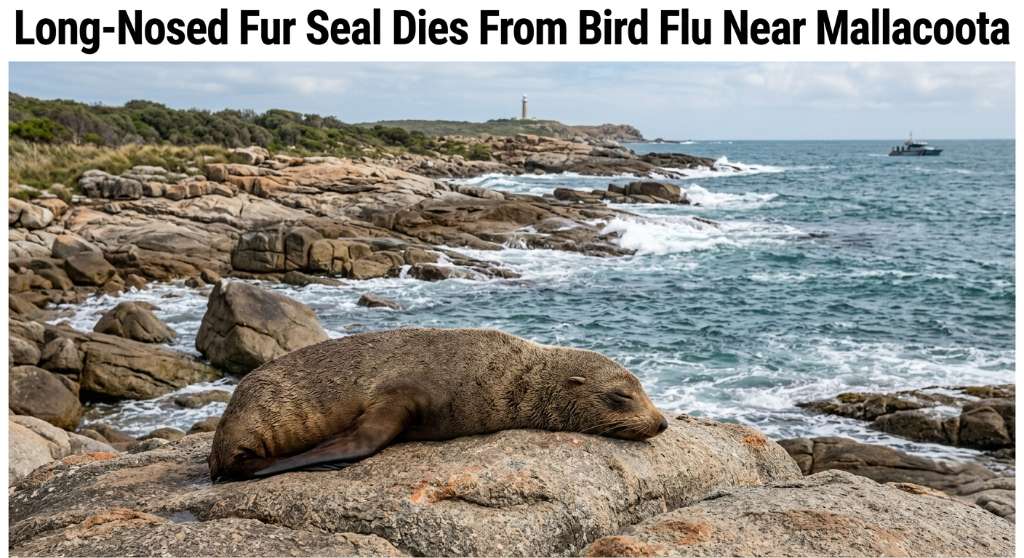
A long-nosed fur seal has died from H5 bird flu on Gabo Island near Mallacoota, with authorities monitoring wildlife and warning people to keep their di...
Hamilton in western Victoria has become the location of Specsavers’ 400th Australian store, with the new regional outlet officially opening as the company expands its eye-care s...
Twenty new emergency department beds at Melbourne's Royal Children's Hospital are expected to remain unused because funding has not been provided for th...
A sharp rise in influenza cases is putting sustained pressure on Albury Wodonga Health, with doctors asked to consider earlier discharges and alternativ...
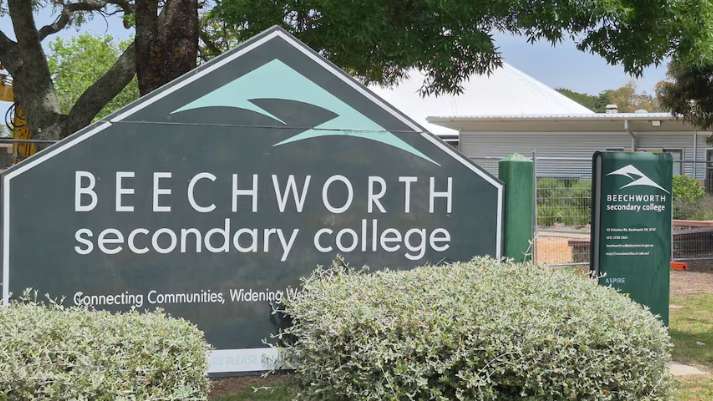
The Victorian Department of Education pleaded guilty after a Year 10 student suffered serious hand injuries while using an unguarded metal guillotine du...
A Chinese private processor has purchased 68,000 tonnes of new-season Australian canola for shipment in March, marking the first known private-sector pu...
A British traveller was left behind at a remote South Australian roadside stop after her Greyhound bus departed during a scheduled overnight break near...
A Victorian man has pleaded guilty to multiple driving offences after crashing through a power pole and into a Merbein home, causing more than $180,000...
The federal Coalition has released an eight-point energy policy proposing changes to Australia's climate legislation, offshore wind zones, vehicle effic...
The Victorian Department of Education pleaded guilty after a Year 10 student suffered serious hand injuries while using an unguarded metal guillotine du...
A major regional transport forum will return to Orange in November, with Orange and Cabonne councils announcing plans for the 2026 Orange and Cabonne Heavy Vehicle Truck Forum....