Safety note: Admin approval is an initial review, not a guarantee that every detail is correct. Check important or urgent claims with official sources and report anything inaccurate or unsafe.
Source and credit: Contributor's own report
Single mothers say HECS debt is preventing them from buying a home - Sydney, NSW
Smart summary
Single mothers across Australia say their student loan debt is making it harder to secure a home loan, with lenders counting HECS-HELP repayments when assessing borrowing capacity despite recent changes to reduce educ...
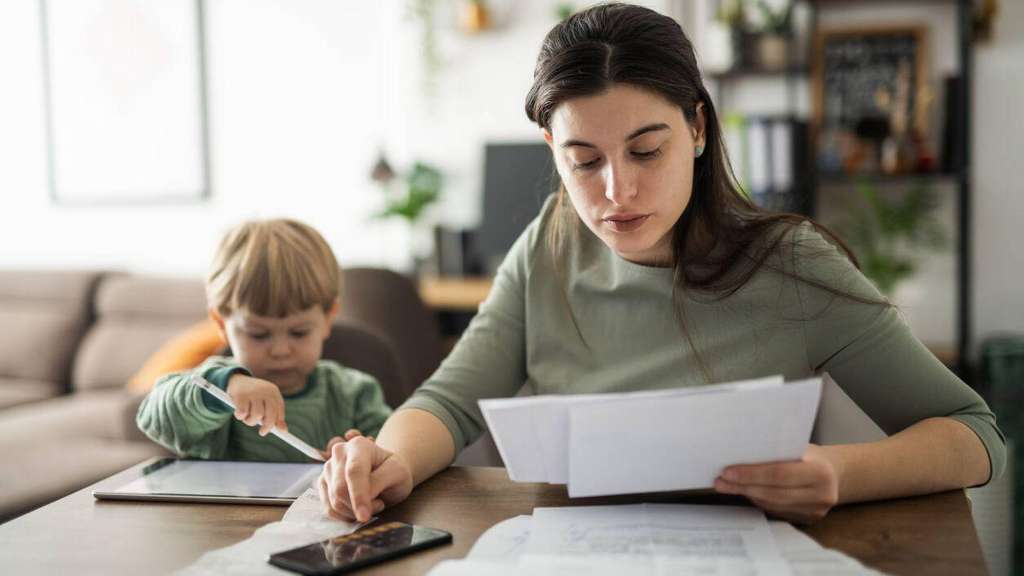
Single mothers are raising concerns that HECS-HELP student loan debt is becoming a major obstacle to achieving home ownership, with many saying the repayments significantly reduce the amount they can borrow from banks despite having stable employment and reliable incomes.
Several women told 9News they had spent years studying to improve their career prospects and financial security, only to discover that their education debt was limiting their ability to qualify for a mortgage. Although HECS-HELP loans do not require upfront repayments and generally carry no traditional interest, compulsory repayments begin once a person's income reaches a government-set threshold. Financial institutions take these repayments into account when calculating how much a borrower can afford.
For single parents, who often rely on a single income while covering childcare, rent, household expenses and everyday living costs, the additional impact of HECS repayments can substantially reduce borrowing capacity. Some said they were approved for loans tens of thousands of dollars lower than expected because lenders considered their education debt alongside other financial commitments.
Housing affordability remains one of Australia's biggest economic challenges, with rising property prices and higher interest rates making it increasingly difficult for first-home buyers to enter the market. Advocacy groups argue that single mothers are among the groups most affected because they generally have lower household incomes and fewer financial resources than dual-income families.
Financial experts note that banks are required to assess a borrower's ability to meet all ongoing financial obligations. Since HECS-HELP repayments reduce disposable income, lenders include them in serviceability calculations even though the debt differs from traditional personal loans or credit card debt.
The issue has gained renewed attention following recent federal government reforms aimed at easing student debt. The government has announced measures to reduce outstanding HECS balances and change the way indexation is calculated, providing relief to millions of Australians with student loans. While these reforms lower overall debt levels for many borrowers, they do not eliminate the impact that compulsory repayments can have during mortgage assessments.
Housing advocates argue that further reforms may be needed to ensure education debt does not create unintended barriers for people trying to purchase their first home. Some have suggested lenders and policymakers should review how HECS obligations are treated, particularly for essential workers and single parents who have invested in higher education to improve their earning potential.
Banking experts, however, maintain that responsible lending laws require all regular financial commitments to be considered when determining borrowing capacity. They say assessing HECS repayments helps ensure borrowers can comfortably manage mortgage repayments without experiencing financial stress.
For many single mothers, the challenge highlights the difficult balance between investing in education and achieving long-term financial goals such as home ownership. While government reforms are expected to reduce student debt over time, many believe broader changes to housing affordability and lending assessments will be needed before the barriers they face are significantly reduced.
DebtFinancialRepaymentsSingleThey
Single mothers are raising concerns that HECS-HELP student loan debt is becoming a major obstacle to achieving home ownership, with many saying the repayments significantly reduce the amount they can borrow from banks despite having stable employment and reliable incomes.
Several women told 9News they had spent years studying to improve their career prospects and financial security, only to discover that their education debt was limiting their ability to qualify for a mortgage. Although HECS-HELP loans do not require upfront repayments and generally carry no traditional interest, compulsory repayments begin once a person's income reaches a government-set threshold. Financial institutions take these repayments into account when calculating how much a borrower can afford.
For single parents, who often rely on a single income while covering childcare, rent, household expenses and everyday living costs, the additional impact of HECS repayments can substantially reduce borrowing capacity. Some said they were approved for loans tens of thousands of dollars lower than expected because lenders considered their education debt alongside other financial commitments.
Housing affordability remains one of Australia's biggest economic challenges, with rising property prices and higher interest rates making it increasingly difficult for first-home buyers to enter the market. Advocacy groups argue that single mothers are among the groups most affected because they generally have lower household incomes and fewer financial resources than dual-income families.
Financial experts note that banks are required to assess a borrower's ability to meet all ongoing financial obligations. Since HECS-HELP repayments reduce disposable income, lenders include them in serviceability calculations even though the debt differs from traditional personal loans or credit card debt.
The issue has gained renewed attention following recent federal government reforms aimed at easing student debt. The government has announced measures to reduce outstanding HECS balances and change the way indexation is calculated, providing relief to millions of Australians with student loans. While these reforms lower overall debt levels for many borrowers, they do not eliminate the impact that compulsory repayments can have during mortgage assessments.
Housing advocates argue that further reforms may be needed to ensure education debt does not create unintended barriers for people trying to purchase their first home. Some have suggested lenders and policymakers should review how HECS obligations are treated, particularly for essential workers and single parents who have invested in higher education to improve their earning potential.
Banking experts, however, maintain that responsible lending laws require all regular financial commitments to be considered when determining borrowing capacity. They say assessing HECS repayments helps ensure borrowers can comfortably manage mortgage repayments without experiencing financial stress.
For many single mothers, the challenge highlights the difficult balance between investing in education and achieving long-term financial goals such as home ownership. While government reforms are expected to reduce student debt over time, many believe broader changes to housing affordability and lending assessments will be needed before the barriers they face are significantly reduced.
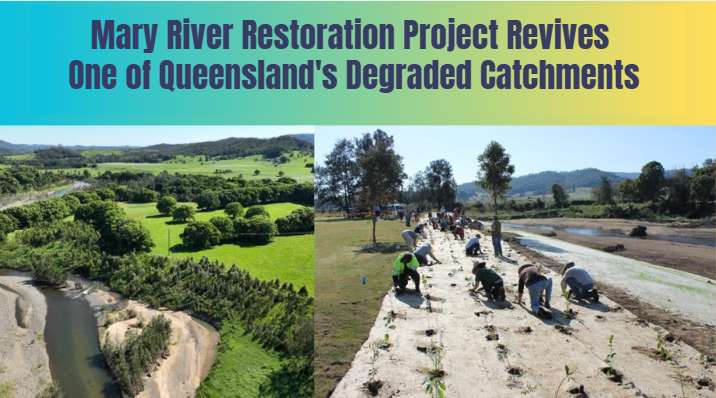
A long-running community restoration effort along Queensland's Mary River is reducing erosion, improving water quality and helping restore habitat for n...
A 75-year-old sailor has been rescued after spending 30 days at sea near Darwin Harbour, with three strangers coming to his aid after his supplies were...
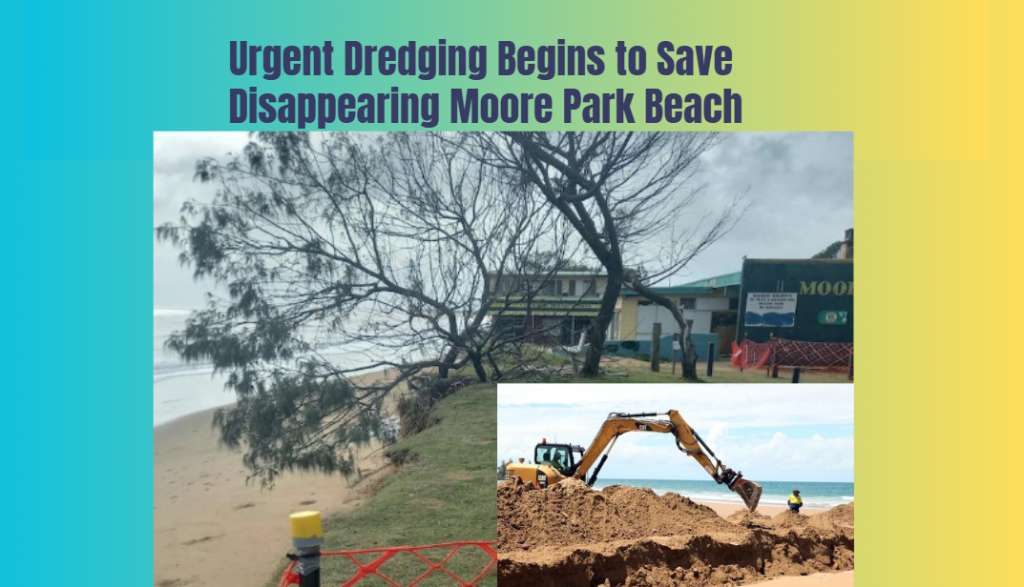
Emergency dredging has begun at Moore Park Beach near Bundaberg after severe erosion washed away sections of the coastline and shifted the mouth of Moor...
Victoria has delayed tougher poultry and caged-egg regulations by 12 months as authorities and producers respond to the spread of H5N1 bird flu across t...
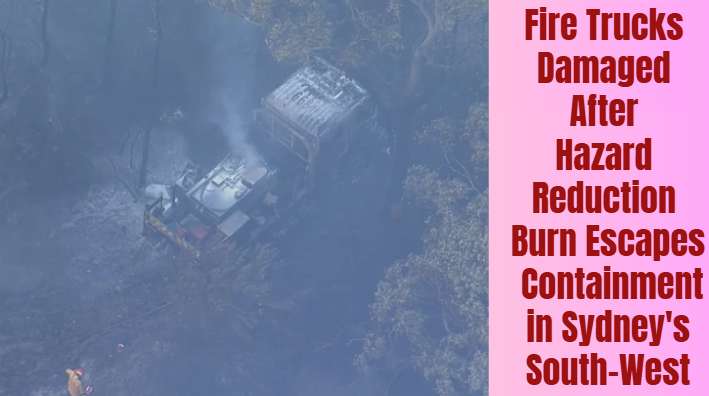
Multiple Rural Fire Service trucks were damaged after a planned hazard reduction burn at Wedderburn in Sydney's south-west escaped containment on Saturday.
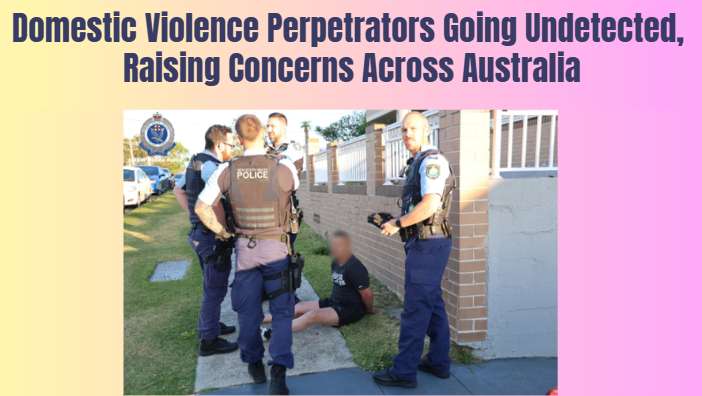
Recent domestic violence-related deaths in New South Wales have highlighted concerns about gaps in identifying alleged perpetrators before serious viole...
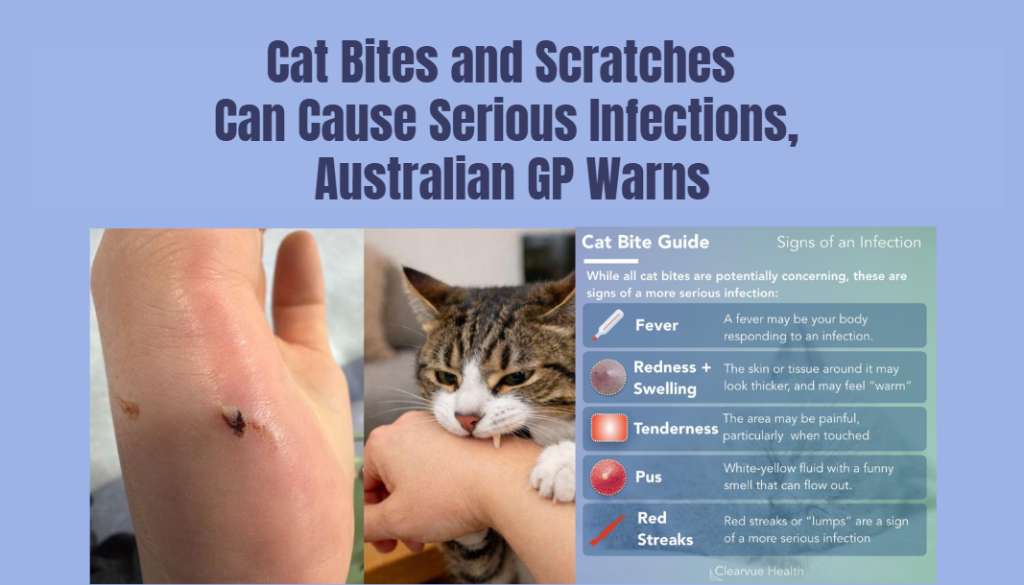
Australian health experts are warning that cat bites and scratches can cause severe infections, with hospitalisations from cat-related injuries nearly t...
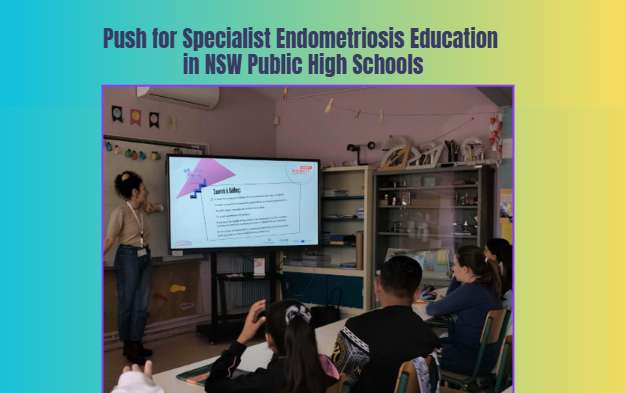
A parliamentary petition calling for specialist endometriosis education in NSW public high schools has attracted more than 1,700 signatures, as health a...
A 50-year-old man has died after being struck by a vehicle in Fernvale, west of Brisbane, with police launching a homicide investigation and arresting a...
Multiple Rural Fire Service trucks were damaged after a planned hazard reduction burn at Wedderburn in Sydney's south-west escaped containment on Saturday.
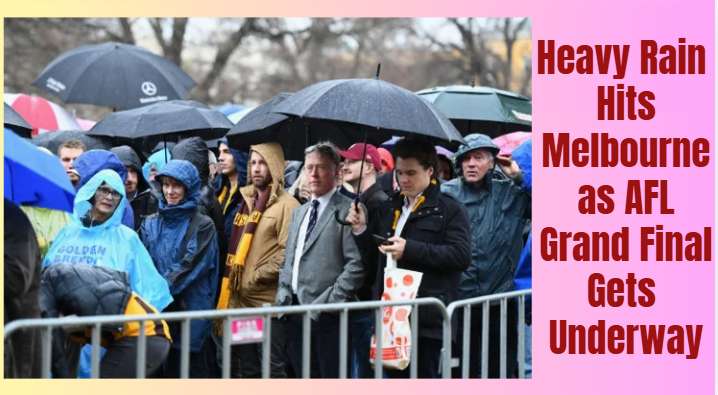
Wet conditions at the Melbourne Cricket Ground are creating difficult conditions for the AFL Grand Final, while poor weather has also disrupted flights...
Amateur astronomers are using new telescope technology to photograph the Moon, planets and distant galaxies from Brisbane homes, showing that city skies...