Safety note: Admin approval is an initial review, not a guarantee that every detail is correct. Check important or urgent claims with official sources and report anything inaccurate or unsafe.
Workers in Australia’s tunnelling industry are warning about ongoing exposure to respirable silica dust, with experts calling for stronger protections to prevent serious lung diseases.
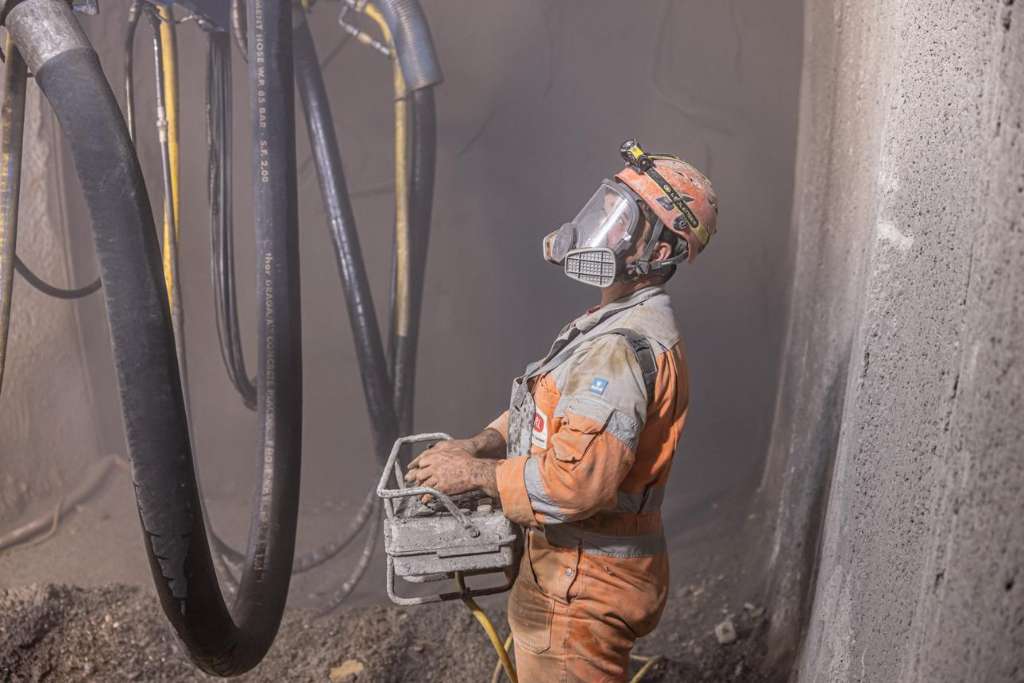
Tunnel workers across Australia are facing renewed concerns about exposure to respirable crystalline silica dust, a hazardous substance linked to serious and potentially fatal lung diseases.
The issue has gained attention after workers and health experts raised concerns about whether current safety measures are consistently protecting people working on major underground construction projects. Tunnelling involves cutting through rock and concrete materials that can release fine silica particles into the air, creating a risk if dust controls are not effective.
Respirable crystalline silica is a fine dust that can travel deep into the lungs when inhaled. Long-term exposure can cause silicosis, an irreversible lung disease that can lead to breathing difficulties, respiratory failure and an increased risk of lung cancer.
A national survey involving tunnelling industry workers and professionals found that many workers believe silica dust exposure remains a significant workplace health concern. Researchers said the findings highlighted a gap between awareness of silica risks and the effectiveness of safety controls being implemented on some projects.
Tunnel construction workers are among several groups considered vulnerable to silica exposure, alongside workers in construction, demolition, mining and other industries involving silica-containing materials.
Former tunnel workers who have developed silicosis have described the devastating impact of the disease, including losing their ability to continue working and facing long-term health challenges. Health advocates say prevention is critical because there is currently no cure for silicosis.
Safety experts have called for stronger workplace protections, improved dust monitoring and better enforcement of existing controls. Recommended measures include improved ventilation, water suppression systems, appropriate respiratory protection equipment and regular health monitoring for workers exposed to silica.
Safe Work Australia has previously recommended reducing the workplace exposure limit for respirable crystalline silica from 0.05 milligrams per cubic metre to 0.025 milligrams per cubic metre to provide stronger protection for workers.
Industry groups have argued that implementing stricter limits presents challenges, including significant costs for businesses and the need for improved monitoring technology. However, health organisations say the long-term benefits of preventing disease outweigh the costs associated with stronger protections.
The debate comes as Australia continues investing in major infrastructure projects, including transport tunnels and underground construction. Workers and unions argue that large-scale infrastructure should not come at the expense of worker health.
Authorities and workplace safety organisations continue to encourage employers to strengthen risk management practices and ensure workers understand the dangers associated with silica dust.
The issue highlights the importance of balancing economic development with workplace safety. As Australia builds more tunnels and major infrastructure projects, protecting the health of workers remains a key challenge for governments, construction companies and regulators.
WorkersSilicaHealthDustExposure
Tunnel workers across Australia are facing renewed concerns about exposure to respirable crystalline silica dust, a hazardous substance linked to serious and potentially fatal lung diseases.
The issue has gained attention after workers and health experts raised concerns about whether current safety measures are consistently protecting people working on major underground construction projects. Tunnelling involves cutting through rock and concrete materials that can release fine silica particles into the air, creating a risk if dust controls are not effective.
Respirable crystalline silica is a fine dust that can travel deep into the lungs when inhaled. Long-term exposure can cause silicosis, an irreversible lung disease that can lead to breathing difficulties, respiratory failure and an increased risk of lung cancer.
A national survey involving tunnelling industry workers and professionals found that many workers believe silica dust exposure remains a significant workplace health concern. Researchers said the findings highlighted a gap between awareness of silica risks and the effectiveness of safety controls being implemented on some projects.
Tunnel construction workers are among several groups considered vulnerable to silica exposure, alongside workers in construction, demolition, mining and other industries involving silica-containing materials.
Former tunnel workers who have developed silicosis have described the devastating impact of the disease, including losing their ability to continue working and facing long-term health challenges. Health advocates say prevention is critical because there is currently no cure for silicosis.
Safety experts have called for stronger workplace protections, improved dust monitoring and better enforcement of existing controls. Recommended measures include improved ventilation, water suppression systems, appropriate respiratory protection equipment and regular health monitoring for workers exposed to silica.
Safe Work Australia has previously recommended reducing the workplace exposure limit for respirable crystalline silica from 0.05 milligrams per cubic metre to 0.025 milligrams per cubic metre to provide stronger protection for workers.
Industry groups have argued that implementing stricter limits presents challenges, including significant costs for businesses and the need for improved monitoring technology. However, health organisations say the long-term benefits of preventing disease outweigh the costs associated with stronger protections.
The debate comes as Australia continues investing in major infrastructure projects, including transport tunnels and underground construction. Workers and unions argue that large-scale infrastructure should not come at the expense of worker health.
Authorities and workplace safety organisations continue to encourage employers to strengthen risk management practices and ensure workers understand the dangers associated with silica dust.
The issue highlights the importance of balancing economic development with workplace safety. As Australia builds more tunnels and major infrastructure projects, protecting the health of workers remains a key challenge for governments, construction companies and regulators.
New funding from local charity Wishlist is improving communication support for patients at Bundaberg Hospital, with resources designed to help people communicate more effectivel...
New figures have renewed concerns about emergency department delays at Royal Hobart Hospital, with the health system facing questions over patient waiti...
Central Coast New South Wales · Health News · 10 Sep 2026
The design for new Key Health Worker Accommodation at Wyong has been released today, with the project aimed at helping address the need for suitable accommodation for healthcare...
The Federal Government is preparing new measures targeting temporary visas, visa overstayers, international students and visa-hopping, while maintaining...
One Nation’s proposed major reduction in migration has triggered warnings that a sharp cut to population growth could weaken Australia’s economy and cre...
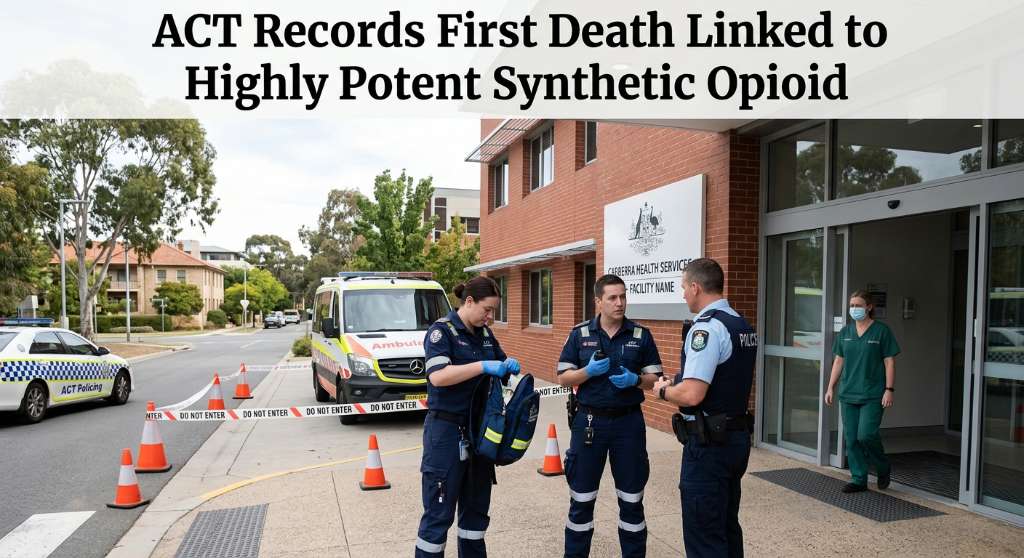
A Canberra woman has become the first person in the ACT whose death has been linked to a highly potent synthetic opioid, prompting renewed concern about...
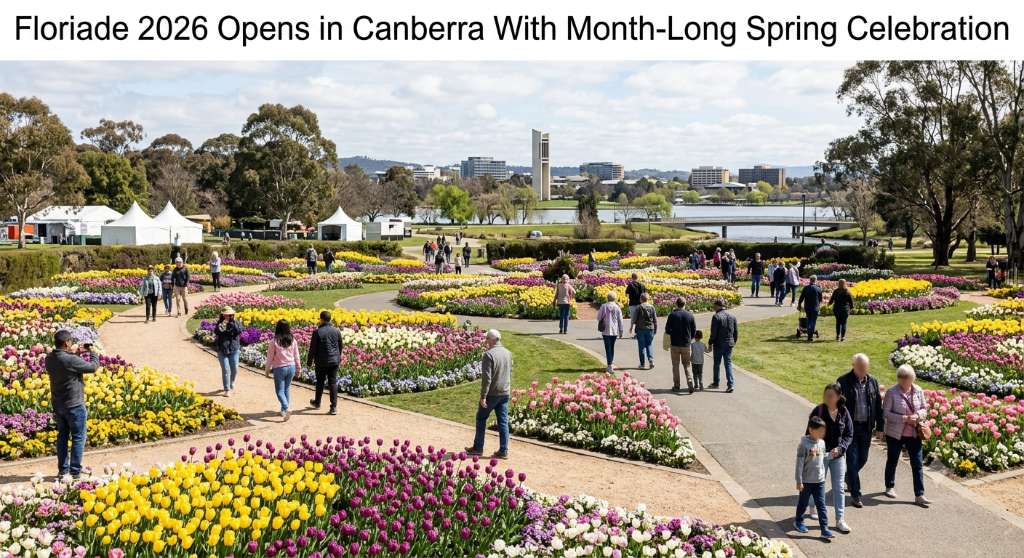
Canberra’s Commonwealth Park has welcomed visitors for the annual Floriade festival, bringing flowers, entertainment and spring activities to the city.
Cairns Regional Council has unanimously voted to seek $400,000 in Queensland Government funding for a program designed to connect local businesses with the region’s growing film...
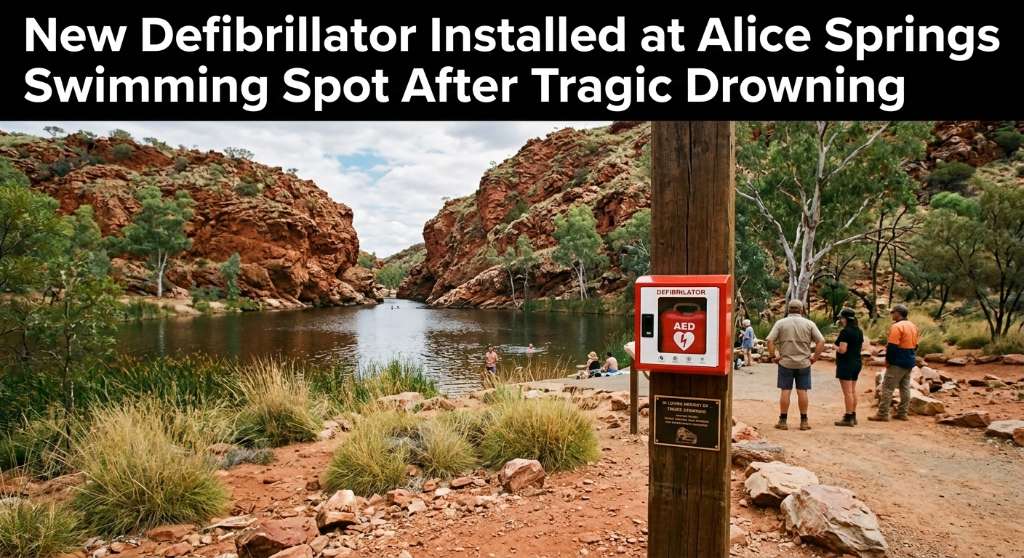
An automated external defibrillator and memorial plaque have been installed at Ellery Creek Big Hole following the death of disability advocate Ellen Fr...
Queensland firefighters spent several hours monitoring a significant grass fire at Mary Kinross Park in Bargara, near Bundaberg, after the blaze broke out on Wednesday evening....