WA Grandmother Faces $100,000 Cost to Return Home After Serious Fall in Bali
By Chloe · Published 20 Oct 2026 · Updated 20 Oct 2026
Busselton, WA
Safety note: Admin approval is an initial review, not a guarantee that every detail is correct. Check important or urgent claims with official sources and report anything inaccurate or unsafe.
Source and credit: Contributor's own report
WA Grandmother Faces $100,000 Cost to Return Home After Serious Fall in Bali - Busselton, WA
Smart summary
A 79-year-old woman from Busselton is recovering in a Bali hospital after falling down a restaurant stairwell, with her family facing substantial medical and repatriation expenses because she has no travel insurance c...
A Western Australian grandmother is facing a difficult recovery in Indonesia after a serious fall during a holiday in Bali left her with multiple fractures to both legs. Her family is now trying to arrange her return to Australia while managing medical expenses that could reach $100,000.
Estelle Ravenscroft, 79, from Busselton, was holidaying with her husband, Keith, when she fell down a staircase at a restaurant. According to her family, the staircase did not have handrails. The fall caused multiple fractures to both legs and required urgent medical treatment.
Ravenscroft was admitted to a hospital in Bali, where she underwent a nine-hour operation. Her husband said she had survived the surgery, although she continued to experience breathing difficulties and complications requiring blood transfusions.
The incident has been particularly distressing because the family does not have travel insurance covering the emergency. Her husband explained that obtaining suitable travel insurance had become increasingly difficult as they grew older.
The family is now confronting the high cost of hospital treatment and transporting a seriously injured patient back to Australia. Medical repatriation can require specialist arrangements, including medical clearance, appropriate transport and staff capable of providing care throughout the journey.
The total cost could reach approximately $100,000, according to the ABC report. The final amount will depend on the treatment required and the arrangements needed to bring Ravenscroft home safely.
Her relatives have appealed to the public for financial assistance through an online fundraising campaign. They say the expenses are far beyond what they had expected to face during an overseas holiday.
The situation has also prompted discussion about travel insurance for older Australians. Insurance policies can differ substantially in their age limits, exclusions, premiums and treatment of pre-existing medical conditions. Some travellers discover that comprehensive cover is difficult or expensive to obtain, while others may mistakenly believe their existing policy covers every emergency.
National Seniors Australia chief executive Chris Grice urged older travellers to investigate their options carefully before departing. He said people who have difficulty obtaining suitable cover online should consider contacting insurers directly to discuss their circumstances and available policies.
The Insurance Council of Australia also highlighted the financial consequences of an overseas medical emergency, noting that evacuation, hospital treatment and repatriation can cost considerably more than a travel insurance premium.
Australia does not have a reciprocal public-healthcare agreement with Indonesia that would cover the family's emergency expenses in the same way as certain arrangements available in other countries. As a result, overseas medical costs can place a substantial burden on travellers without suitable insurance.
For Ravenscroft's family, the immediate priority is her recovery and arranging a safe journey home. Her experience has also become a warning about the financial risks of travelling without adequate medical cover, particularly for older people who may have difficulty finding a policy that meets their needs.
The case highlights the importance of checking insurance exclusions, emergency medical limits and repatriation provisions before travelling internationally. It also demonstrates how quickly an ordinary holiday can become a serious medical and financial crisis.
MedicalInsuranceFamilyEmergencyTreatment
A Western Australian grandmother is facing a difficult recovery in Indonesia after a serious fall during a holiday in Bali left her with multiple fractures to both legs. Her family is now trying to arrange her return to Australia while managing medical expenses that could reach $100,000.
Estelle Ravenscroft, 79, from Busselton, was holidaying with her husband, Keith, when she fell down a staircase at a restaurant. According to her family, the staircase did not have handrails. The fall caused multiple fractures to both legs and required urgent medical treatment.
Ravenscroft was admitted to a hospital in Bali, where she underwent a nine-hour operation. Her husband said she had survived the surgery, although she continued to experience breathing difficulties and complications requiring blood transfusions.
The incident has been particularly distressing because the family does not have travel insurance covering the emergency. Her husband explained that obtaining suitable travel insurance had become increasingly difficult as they grew older.
The family is now confronting the high cost of hospital treatment and transporting a seriously injured patient back to Australia. Medical repatriation can require specialist arrangements, including medical clearance, appropriate transport and staff capable of providing care throughout the journey.
The total cost could reach approximately $100,000, according to the ABC report. The final amount will depend on the treatment required and the arrangements needed to bring Ravenscroft home safely.
Her relatives have appealed to the public for financial assistance through an online fundraising campaign. They say the expenses are far beyond what they had expected to face during an overseas holiday.
The situation has also prompted discussion about travel insurance for older Australians. Insurance policies can differ substantially in their age limits, exclusions, premiums and treatment of pre-existing medical conditions. Some travellers discover that comprehensive cover is difficult or expensive to obtain, while others may mistakenly believe their existing policy covers every emergency.
National Seniors Australia chief executive Chris Grice urged older travellers to investigate their options carefully before departing. He said people who have difficulty obtaining suitable cover online should consider contacting insurers directly to discuss their circumstances and available policies.
The Insurance Council of Australia also highlighted the financial consequences of an overseas medical emergency, noting that evacuation, hospital treatment and repatriation can cost considerably more than a travel insurance premium.
Australia does not have a reciprocal public-healthcare agreement with Indonesia that would cover the family's emergency expenses in the same way as certain arrangements available in other countries. As a result, overseas medical costs can place a substantial burden on travellers without suitable insurance.
For Ravenscroft's family, the immediate priority is her recovery and arranging a safe journey home. Her experience has also become a warning about the financial risks of travelling without adequate medical cover, particularly for older people who may have difficulty finding a policy that meets their needs.
The case highlights the importance of checking insurance exclusions, emergency medical limits and repatriation provisions before travelling internationally. It also demonstrates how quickly an ordinary holiday can become a serious medical and financial crisis.
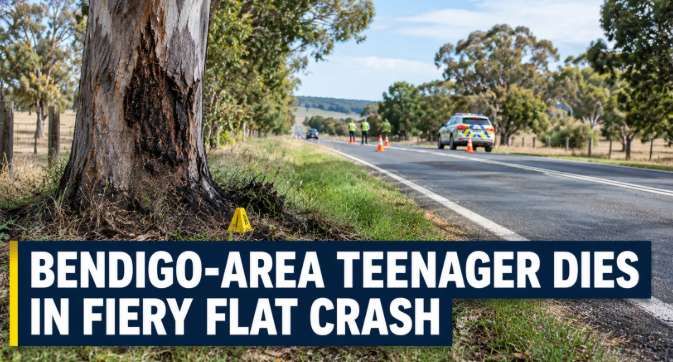
A 19-year-old man from the Bendigo area died after the car he was driving struck a tree on Inglewood–Powlett Road near Fiery Flat. Police are investigat...
A passenger aircraft passed just above a van near the runway during its approach to Townsville Airport. Investigators are examining how the vehicle ente...
Queensland Rail reopened the affected tracks early Monday after a freight train derailed near Marlborough, while rail safety investigators examine the c...
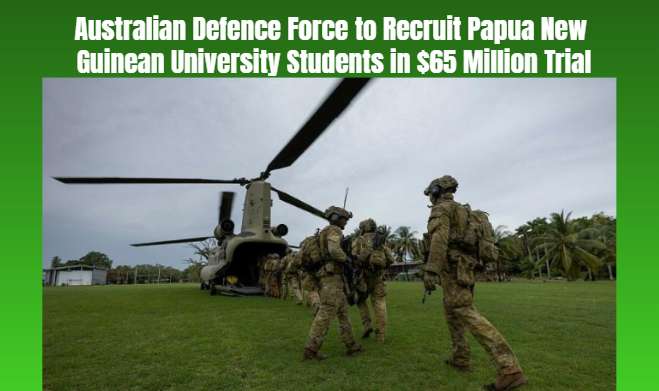
Australia will open military recruitment to eligible students and recent graduates from Papua New Guinea next month, in a pilot program designed to stre...
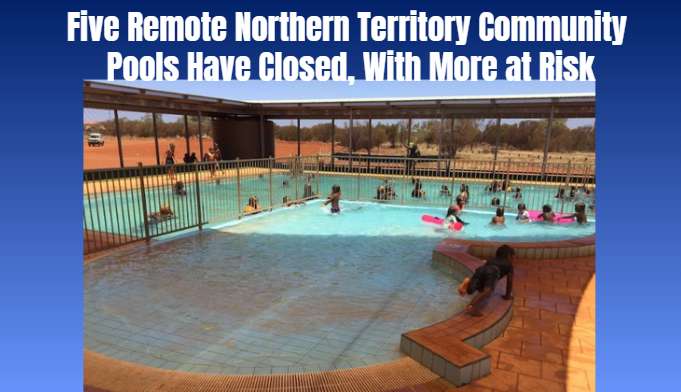
A new report warns that ageing facilities, staff shortages and fragmented funding threaten swimming pools that provide essential recreation and water-sa...
A Victorian coroner has criticised betting company Sportsbet after examining the case of a young man who wagered hundreds of thousands of dollars before...
One Nation leader Pauline Hanson has apologised after a controversial political cartoon mocked independent senator Jacqui Lambie’s medical condition, sa...
The veteran fullback has been recalled to captain Australia in his first Kangaroos Test since 2023, while four teammates are set to make their tournamen...
Western Australian police are investigating the death of a woman in her 50s who experienced a medical emergency shortly after undergoing a random breath...
Australia will open military recruitment to eligible students and recent graduates from Papua New Guinea next month, in a pilot program designed to stre...