Safety note: Admin approval is an initial review, not a guarantee that every detail is correct. Check important or urgent claims with official sources and report anything inaccurate or unsafe.
Source and credit: Contributor's own report
Wagga Council’s Homelessness Response Criticised as Advocates Warn Crisis Could Worsen - Wagga Wagga, NSW
Smart summary
Housing advocates have criticised Wagga Wagga City Council’s approach to homeless camps, arguing that eviction notices and fines could increase hardship without providing long-term housing solutions.
Wagga Wagga City Council is facing criticism over its response to the city’s growing homelessness crisis, with advocates warning that strict enforcement actions against people sleeping rough may worsen the situation rather than solve the underlying housing shortage.
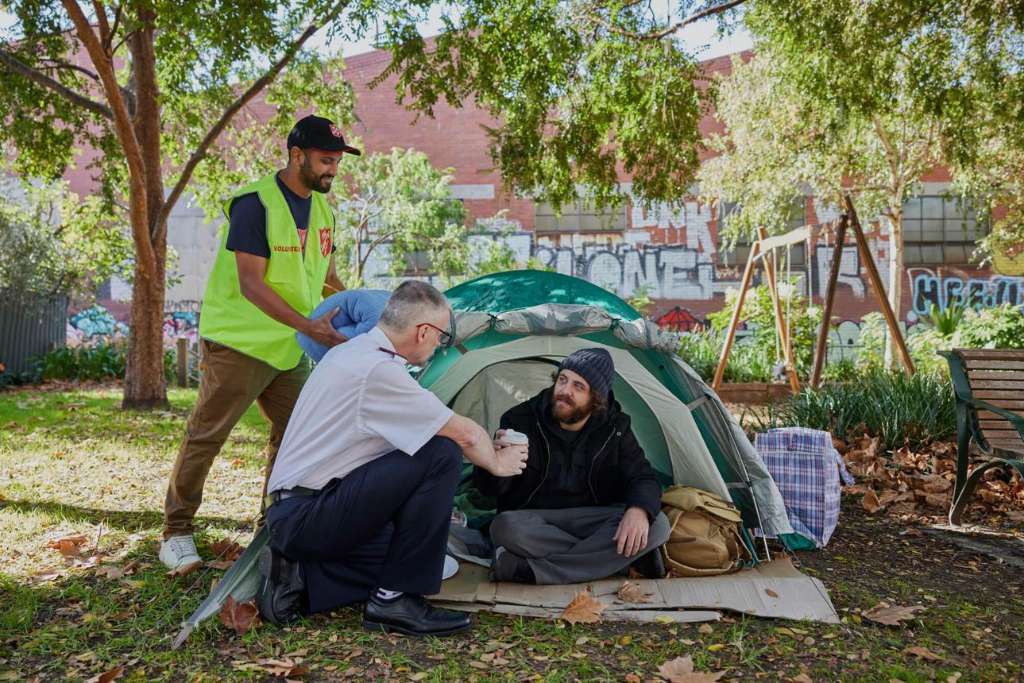
The debate has focused on people living in camps around areas including Wilks Park and nearby river locations, where a number of homeless residents have been staying due to a lack of affordable and emergency accommodation options.
The council’s actions, including compliance notices, eviction measures and possible fines for people remaining in designated areas, have drawn criticism from homelessness organisations and legal advocates. They argue that moving people on without secure alternatives risks pushing vulnerable residents into even more unstable situations.
Legal advocate Kira Levin from the Homeless Persons Legal Service criticised what she described as a punitive approach, saying enforcement actions could further marginalise people experiencing homelessness. Advocates have argued that long-term housing support, health services and community assistance are needed rather than measures that simply relocate people.
The issue has gained significant attention following a tragic incident involving the death of a newborn baby at a homeless encampment near Wagga Wagga. The event prompted calls from community leaders and governments for urgent action to address the city’s housing crisis.
The NSW Government previously established an emergency response group involving Homes NSW, homelessness service providers, NSW Police and Wagga Wagga City Council to work on solutions for people sleeping rough in the city.
Some residents living in the camps have said they fear being forced to leave without having anywhere suitable to go. They have raised concerns about the availability of affordable housing, especially during winter when weather conditions make outdoor living particularly difficult.
Community organisations supporting homeless residents say camps have also provided informal support networks where people look after each other, share resources and assist vulnerable individuals. They argue that removing these networks without replacing them with safe accommodation could increase risks for people already experiencing hardship.
Authorities have stated that efforts are being made to connect affected residents with accommodation pathways and support services. The NSW Government has also announced additional social housing measures, including new prefabricated homes, while acknowledging that more long-term solutions are required.
The situation highlights a broader challenge facing many regional Australian communities, where rising living costs, limited rental availability and increased demand for social housing have contributed to growing homelessness pressures.
As discussions continue, advocates are calling for a balanced approach that protects public spaces while ensuring people experiencing homelessness are treated with dignity and provided with realistic pathways into stable housing.
PeopleHomelessnessHousingWaggaAdvocates
Wagga Wagga City Council is facing criticism over its response to the city’s growing homelessness crisis, with advocates warning that strict enforcement actions against people sleeping rough may worsen the situation rather than solve the underlying housing shortage.
The debate has focused on people living in camps around areas including Wilks Park and nearby river locations, where a number of homeless residents have been staying due to a lack of affordable and emergency accommodation options.
The council’s actions, including compliance notices, eviction measures and possible fines for people remaining in designated areas, have drawn criticism from homelessness organisations and legal advocates. They argue that moving people on without secure alternatives risks pushing vulnerable residents into even more unstable situations.
Legal advocate Kira Levin from the Homeless Persons Legal Service criticised what she described as a punitive approach, saying enforcement actions could further marginalise people experiencing homelessness. Advocates have argued that long-term housing support, health services and community assistance are needed rather than measures that simply relocate people.
The issue has gained significant attention following a tragic incident involving the death of a newborn baby at a homeless encampment near Wagga Wagga. The event prompted calls from community leaders and governments for urgent action to address the city’s housing crisis.
The NSW Government previously established an emergency response group involving Homes NSW, homelessness service providers, NSW Police and Wagga Wagga City Council to work on solutions for people sleeping rough in the city.
Some residents living in the camps have said they fear being forced to leave without having anywhere suitable to go. They have raised concerns about the availability of affordable housing, especially during winter when weather conditions make outdoor living particularly difficult.
Community organisations supporting homeless residents say camps have also provided informal support networks where people look after each other, share resources and assist vulnerable individuals. They argue that removing these networks without replacing them with safe accommodation could increase risks for people already experiencing hardship.
Authorities have stated that efforts are being made to connect affected residents with accommodation pathways and support services. The NSW Government has also announced additional social housing measures, including new prefabricated homes, while acknowledging that more long-term solutions are required.
The situation highlights a broader challenge facing many regional Australian communities, where rising living costs, limited rental availability and increased demand for social housing have contributed to growing homelessness pressures.
As discussions continue, advocates are calling for a balanced approach that protects public spaces while ensuring people experiencing homelessness are treated with dignity and provided with realistic pathways into stable housing.
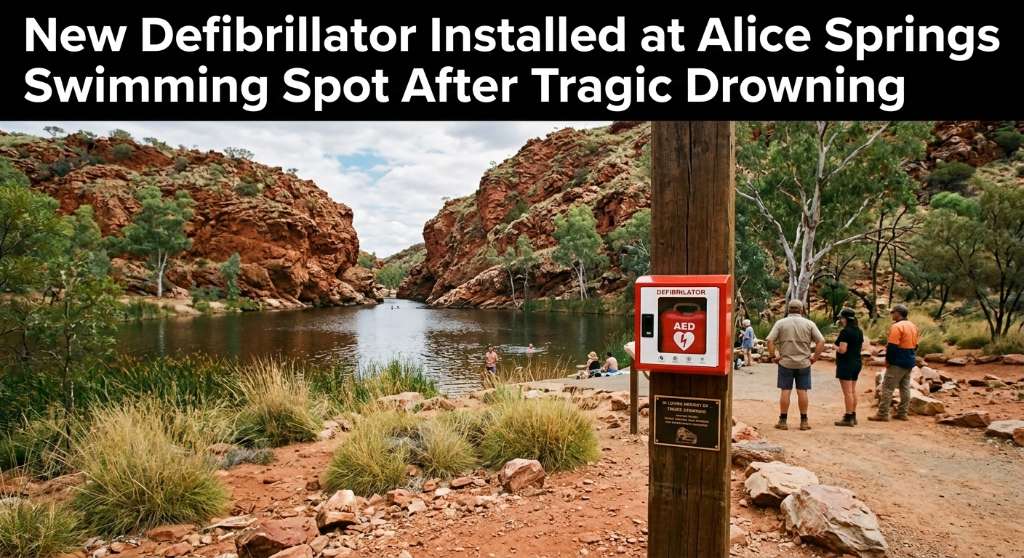
An automated external defibrillator and memorial plaque have been installed at Ellery Creek Big Hole following the death of disability advocate Ellen Fr...
Bathurst New South Wales · Community News · 17 Sep 2026
Kerry “Pecky” Peck, a long-standing Bathurst radio personality, has been inducted into the Bathurst Business Hall of Fame in recognition of his extensive contribution to the loc...
A new specialist family-violence support model has been introduced in Ballarat, with dedicated workers now embedded alongside Victoria Police to help people experiencing family...
Orange New South Wales · Community News · 17 Sep 2026
Orange City Council has elected a new Deputy Mayor for the next two years, with the decision announced today, 17 September 2026. The council said the election took place during...
A 36-year-old man has been charged after investigators allegedly found fraudulent identification documents, cloned number plates, cash and drug-manufact...
A Sydney court has heard that a man sent 249 messages to a former partner within 24 hours, with the messages treated as a single alleged breach of an ap...
A high-profile athlete has returned to court and told the hearing that an alleged unwanted kiss by former broadcaster Alan Jones remained difficult to f...
Work on the $150 million Sydney Town Hall Square project has been paused after the NSW Planning Minister referred the development for review by the Inde...
Cairns Regional Council has unanimously voted to seek $400,000 in Queensland Government funding for a program designed to connect local businesses with the region’s growing film...
An automated external defibrillator and memorial plaque have been installed at Ellery Creek Big Hole following the death of disability advocate Ellen Fr...
Queensland firefighters spent several hours monitoring a significant grass fire at Mary Kinross Park in Bargara, near Bundaberg, after the blaze broke out on Wednesday evening....