Safety note: Admin approval is an initial review, not a guarantee that every detail is correct. Check important or urgent claims with official sources and report anything inaccurate or unsafe.
Source and credit: Contributor's own report
Wagga Wagga Council Reviews Response After Wilks Park Homeless Camp Controversy - Wagga Wagga, NSW
Smart summary
Community pressure grows as council considers long-term solutions for people experiencing homelessness
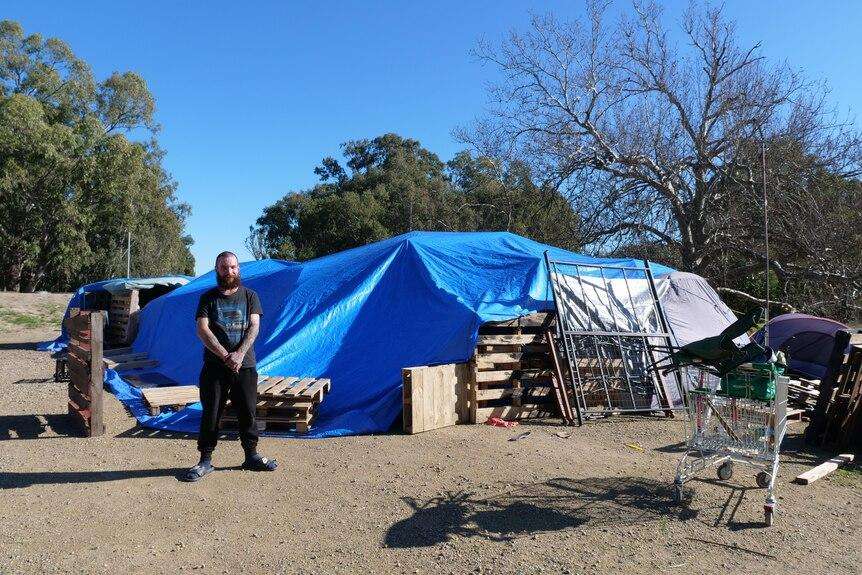
The Wagga Wagga City Council is reviewing its approach to people staying at the Wilks Park camping area after community concerns were raised about homelessness, temporary accommodation and access to support services. The issue has attracted wider attention as local advocates call for more sustainable housing solutions rather than short-term responses.
The Wilks Park situation highlighted challenges faced by regional communities dealing with increasing demand for affordable housing. Local support groups have raised concerns about limited availability of suitable accommodation and the difficulties some residents experience when trying to access stable housing options.
Council previously considered enforcement action related to long-term camping stays, including possible fines for people who remained at the site beyond permitted periods. Following public discussion and community feedback, the council moved to reconsider the approach while further information about homelessness responses was reviewed.
Homelessness advocates in Wagga Wagga have argued that regional areas require stronger investment in social housing, support services and coordinated assistance programs. They say temporary accommodation alone does not provide a long-term pathway for people experiencing housing insecurity.
The issue has also highlighted the broader housing pressure affecting many regional Australian communities. Rising rental costs, limited affordable housing supply and increased demand for support services have created challenges for councils and community organisations.
Wagga Wagga, as a major regional centre in the Riverina region of New South Wales, provides important services for surrounding towns and communities. The city continues to work with government agencies and local organisations to address community needs.
Council representatives have indicated that future decisions will consider available support services, community safety and the need for practical solutions. Community discussions around homelessness continue as residents, advocacy groups and authorities seek ways to improve outcomes for vulnerable people.
The situation has increased public focus on the importance of regional housing strategies and the need for cooperation between councils, state authorities and community organisations.
HousingWaggaCommunityCouncilRegional
The Wagga Wagga City Council is reviewing its approach to people staying at the Wilks Park camping area after community concerns were raised about homelessness, temporary accommodation and access to support services. The issue has attracted wider attention as local advocates call for more sustainable housing solutions rather than short-term responses.
The Wilks Park situation highlighted challenges faced by regional communities dealing with increasing demand for affordable housing. Local support groups have raised concerns about limited availability of suitable accommodation and the difficulties some residents experience when trying to access stable housing options.
Council previously considered enforcement action related to long-term camping stays, including possible fines for people who remained at the site beyond permitted periods. Following public discussion and community feedback, the council moved to reconsider the approach while further information about homelessness responses was reviewed.
Homelessness advocates in Wagga Wagga have argued that regional areas require stronger investment in social housing, support services and coordinated assistance programs. They say temporary accommodation alone does not provide a long-term pathway for people experiencing housing insecurity.
The issue has also highlighted the broader housing pressure affecting many regional Australian communities. Rising rental costs, limited affordable housing supply and increased demand for support services have created challenges for councils and community organisations.
Wagga Wagga, as a major regional centre in the Riverina region of New South Wales, provides important services for surrounding towns and communities. The city continues to work with government agencies and local organisations to address community needs.
Council representatives have indicated that future decisions will consider available support services, community safety and the need for practical solutions. Community discussions around homelessness continue as residents, advocacy groups and authorities seek ways to improve outcomes for vulnerable people.
The situation has increased public focus on the importance of regional housing strategies and the need for cooperation between councils, state authorities and community organisations.
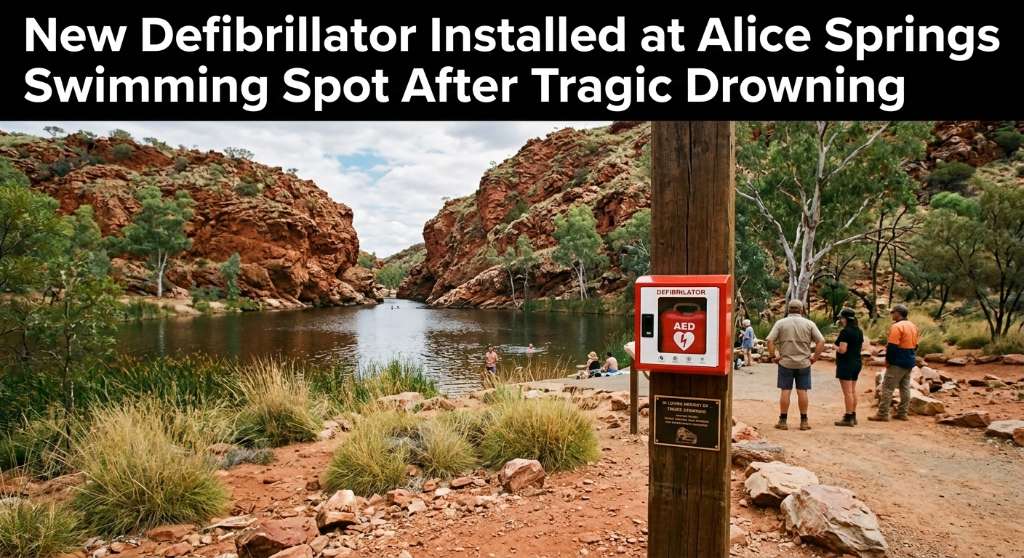
An automated external defibrillator and memorial plaque have been installed at Ellery Creek Big Hole following the death of disability advocate Ellen Fr...
Bathurst New South Wales · Community News · 17 Sep 2026
Kerry “Pecky” Peck, a long-standing Bathurst radio personality, has been inducted into the Bathurst Business Hall of Fame in recognition of his extensive contribution to the loc...
A new specialist family-violence support model has been introduced in Ballarat, with dedicated workers now embedded alongside Victoria Police to help people experiencing family...
Orange New South Wales · Community News · 17 Sep 2026
Orange City Council has elected a new Deputy Mayor for the next two years, with the decision announced today, 17 September 2026. The council said the election took place during...
A 36-year-old man has been charged after investigators allegedly found fraudulent identification documents, cloned number plates, cash and drug-manufact...
A Sydney court has heard that a man sent 249 messages to a former partner within 24 hours, with the messages treated as a single alleged breach of an ap...
A high-profile athlete has returned to court and told the hearing that an alleged unwanted kiss by former broadcaster Alan Jones remained difficult to f...
Work on the $150 million Sydney Town Hall Square project has been paused after the NSW Planning Minister referred the development for review by the Inde...
Cairns Regional Council has unanimously voted to seek $400,000 in Queensland Government funding for a program designed to connect local businesses with the region’s growing film...
An automated external defibrillator and memorial plaque have been installed at Ellery Creek Big Hole following the death of disability advocate Ellen Fr...
Queensland firefighters spent several hours monitoring a significant grass fire at Mary Kinross Park in Bargara, near Bundaberg, after the blaze broke out on Wednesday evening....