Safety note: Admin approval is an initial review, not a guarantee that every detail is correct. Check important or urgent claims with official sources and report anything inaccurate or unsafe.
Source and credit: Contributor's own report
World-First Koala Chlamydia Vaccine Offers New Hope for Australia's Endangered Icon - Port Macquarie, NSW
Smart summary
A groundbreaking vaccine approved for use in Australia is expected to significantly improve koala survival rates by protecting the endangered species against chlamydia, one of its most serious diseases.
Australian conservationists are celebrating a major breakthrough after the country's veterinary medicines regulator approved the world's first vaccine to protect koalas against chlamydia, a disease that has devastated wild populations for decades. Researchers say the approval represents one of the most significant advances in koala conservation in recent years and provides renewed hope for the future of one of Australia's most iconic native animals.
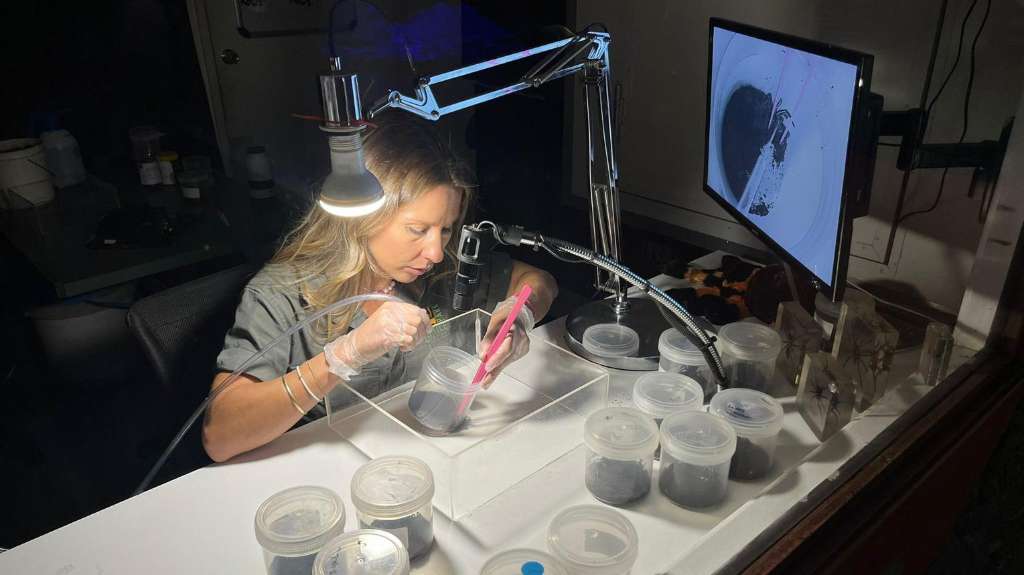
The vaccine was developed by researchers at the University of the Sunshine Coast following more than 15 years of scientific research led by Professor Peter Timms and his team. Their goal was to create a practical vaccine that could be used to protect wild koalas from infection while reducing the need for repeated handling of animals. The result is a single-dose vaccine, making it well suited for wildlife conservation programs.
Chlamydia is one of the greatest threats facing koalas across eastern Australia. The disease can cause severe eye infections, blindness, urinary tract disease, infertility and, in many cases, death. In some wild koala populations, infection rates have reached as high as 70 per cent, contributing significantly to declining numbers. Until now, treatment has mainly relied on antibiotics, which can disrupt the koala's digestive system because they affect the bacteria needed to digest eucalyptus leaves.
Extensive field trials involving hundreds of koalas demonstrated that the vaccine is both safe and effective. Researchers found that vaccinated koalas were far less likely to develop serious symptoms during breeding age and that mortality caused by chlamydia was reduced by at least 65 per cent. In some cases, the vaccine also helped improve existing infections.
The vaccine has now received approval from the Australian Pesticides and Veterinary Medicines Authority (APVMA), allowing it to be produced and distributed for use in wildlife hospitals, veterinary clinics and conservation programs. Scientists expect the initial rollout to focus on koala populations considered most at risk from the disease.
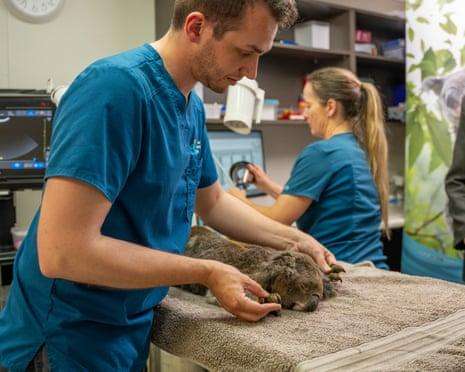
Conservation organisations have welcomed the approval, describing it as an essential tool for protecting Australia's endangered koala populations. Wildlife hospitals, including Australia Zoo Wildlife Hospital, participated in vaccine trials and say the breakthrough could dramatically improve rehabilitation outcomes for rescued koalas.
Researchers stress that while the vaccine is a major milestone, it is not a complete solution to the challenges facing koalas. Habitat loss, bushfires, climate change, road collisions and attacks by domestic dogs continue to threaten the species. They say the vaccine should be viewed as one important part of a broader conservation strategy that includes habitat protection and restoration.
The approval is being recognised internationally as a landmark achievement in wildlife medicine. By combining scientific innovation with long-term conservation efforts, Australia has taken a significant step toward improving the survival prospects of one of its most recognisable native animals.
VaccineKoalasConservationKoalaWildlife
Australian conservationists are celebrating a major breakthrough after the country's veterinary medicines regulator approved the world's first vaccine to protect koalas against chlamydia, a disease that has devastated wild populations for decades. Researchers say the approval represents one of the most significant advances in koala conservation in recent years and provides renewed hope for the future of one of Australia's most iconic native animals.
The vaccine was developed by researchers at the University of the Sunshine Coast following more than 15 years of scientific research led by Professor Peter Timms and his team. Their goal was to create a practical vaccine that could be used to protect wild koalas from infection while reducing the need for repeated handling of animals. The result is a single-dose vaccine, making it well suited for wildlife conservation programs.
Chlamydia is one of the greatest threats facing koalas across eastern Australia. The disease can cause severe eye infections, blindness, urinary tract disease, infertility and, in many cases, death. In some wild koala populations, infection rates have reached as high as 70 per cent, contributing significantly to declining numbers. Until now, treatment has mainly relied on antibiotics, which can disrupt the koala's digestive system because they affect the bacteria needed to digest eucalyptus leaves.
Extensive field trials involving hundreds of koalas demonstrated that the vaccine is both safe and effective. Researchers found that vaccinated koalas were far less likely to develop serious symptoms during breeding age and that mortality caused by chlamydia was reduced by at least 65 per cent. In some cases, the vaccine also helped improve existing infections.
The vaccine has now received approval from the Australian Pesticides and Veterinary Medicines Authority (APVMA), allowing it to be produced and distributed for use in wildlife hospitals, veterinary clinics and conservation programs. Scientists expect the initial rollout to focus on koala populations considered most at risk from the disease.
Conservation organisations have welcomed the approval, describing it as an essential tool for protecting Australia's endangered koala populations. Wildlife hospitals, including Australia Zoo Wildlife Hospital, participated in vaccine trials and say the breakthrough could dramatically improve rehabilitation outcomes for rescued koalas.
Researchers stress that while the vaccine is a major milestone, it is not a complete solution to the challenges facing koalas. Habitat loss, bushfires, climate change, road collisions and attacks by domestic dogs continue to threaten the species. They say the vaccine should be viewed as one important part of a broader conservation strategy that includes habitat protection and restoration.
The approval is being recognised internationally as a landmark achievement in wildlife medicine. By combining scientific innovation with long-term conservation efforts, Australia has taken a significant step toward improving the survival prospects of one of its most recognisable native animals.
Newcastle Museum will host the fifth annual Hunter Science Festival on 23 August, featuring 40 interactive exhibits, combat robots, science shows and ha...
The Australian Reptile Park’s funnel-web spider program has reached a significant milestone as efforts continue to secure the future of Australia’s crit...
A 36-year-old man has been charged after investigators allegedly found fraudulent identification documents, cloned number plates, cash and drug-manufact...
A Sydney court has heard that a man sent 249 messages to a former partner within 24 hours, with the messages treated as a single alleged breach of an ap...
A high-profile athlete has returned to court and told the hearing that an alleged unwanted kiss by former broadcaster Alan Jones remained difficult to f...
Work on the $150 million Sydney Town Hall Square project has been paused after the NSW Planning Minister referred the development for review by the Inde...
Cairns Regional Council has unanimously voted to seek $400,000 in Queensland Government funding for a program designed to connect local businesses with the region’s growing film...
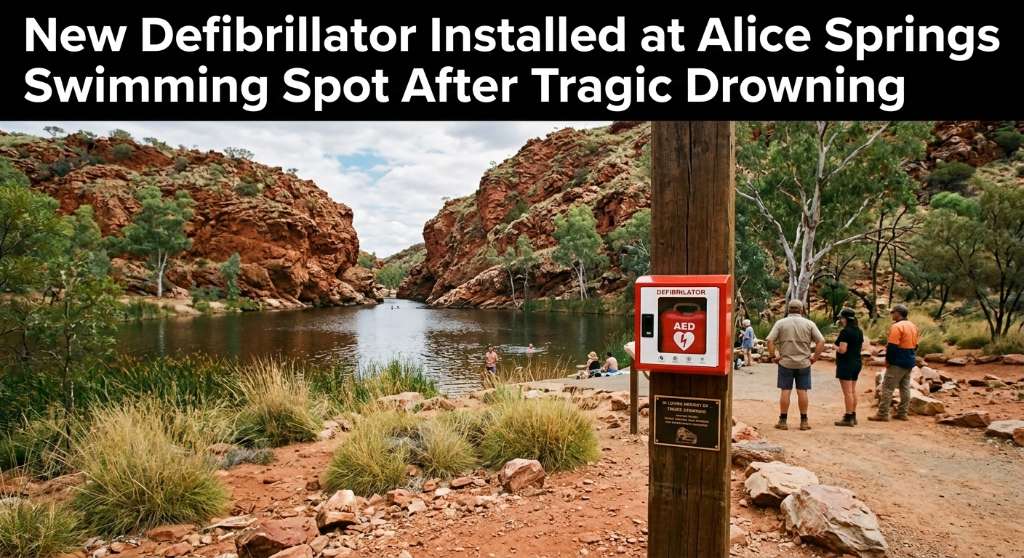
An automated external defibrillator and memorial plaque have been installed at Ellery Creek Big Hole following the death of disability advocate Ellen Fr...
Queensland firefighters spent several hours monitoring a significant grass fire at Mary Kinross Park in Bargara, near Bundaberg, after the blaze broke out on Wednesday evening....