Safety note: Admin approval is an initial review, not a guarantee that every detail is correct. Check important or urgent claims with official sources and report anything inaccurate or unsafe.
Source and credit: Contributor's own report
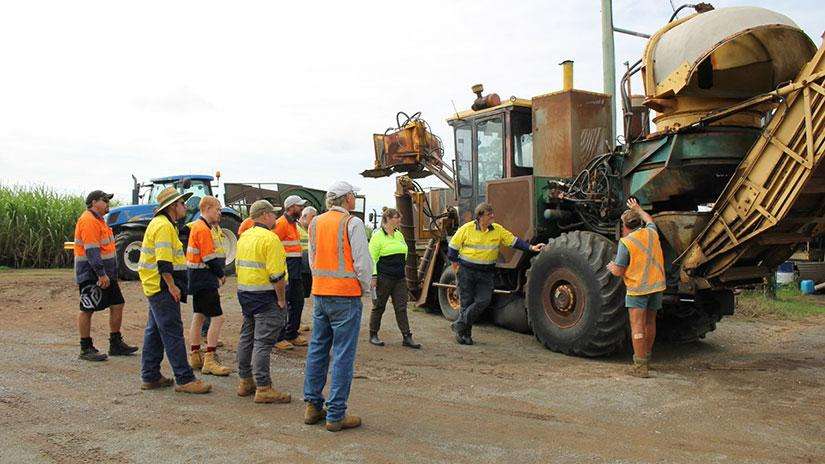
Young Bundaberg Worker Jake Embraces Opportunity to Build Skills in Sugar Industry - Bundaberg, QLD
Smart summary
A young Bundaberg local is gaining valuable experience and developing new skills through an opportunity designed to strengthen the future workforce of Queensland’s sugar industry.
A young Bundaberg worker is gaining hands-on experience and building a pathway for the future after receiving an opportunity to develop his skills within Queensland’s important sugar industry.
Jake, a local participant, has welcomed the chance to learn more about the industry, develop practical abilities and gain knowledge that could support his long-term career goals. The opportunity highlights the important role that training, mentoring and workplace experience play in attracting younger generations into regional industries.
Queensland’s sugar sector has a long history of supporting regional communities, with thousands of people involved across farming, harvesting, milling, engineering, transport and manufacturing. In areas such as Bundaberg, the industry remains a major contributor to the local economy and continues to provide employment opportunities for young people looking to establish careers close to home.
For Jake, the experience provides more than just a job opportunity. It allows him to learn directly from experienced industry professionals, understand modern sugar production methods and develop skills that can be applied across a range of roles.
The sugar industry has increasingly focused on attracting and retaining a skilled workforce as technology, sustainability practices and changing agricultural methods reshape the sector. Young workers like Jake are seen as essential to ensuring the industry continues to grow and adapt.
Training programs and workplace pathways are helping regional businesses introduce young people to career opportunities they may not have previously considered. These initiatives provide participants with practical knowledge while also giving employers the chance to invest in the next generation of workers.
Bundaberg’s sugar industry is recognised as one of Australia’s most significant agricultural regions. The area is home to extensive cane farming operations, sugar mills and businesses that support the broader supply chain.
The industry faces ongoing challenges, including changing weather conditions, global market pressures, rising operational costs and the need for more sustainable farming practices. Developing a skilled workforce is considered a key part of responding to these challenges.
Jake’s experience demonstrates how regional training opportunities can help young Australians gain confidence, technical knowledge and valuable connections within their chosen industries.
Industry leaders say encouraging young people to explore careers in agriculture and related fields is essential for the future of regional Australia. Modern agricultural careers involve advanced machinery, technology, environmental management and specialised skills, offering many pathways beyond traditional farming roles.
For communities like Bundaberg, supporting young workers is also important for maintaining local economic strength. When young people can access training and employment opportunities locally, it helps create stronger communities and supports regional growth.
Jake said he appreciated the opportunity to expand his knowledge and develop skills that could benefit his future career. His journey reflects the opportunities available for young people who are willing to learn, participate and become part of Queensland’s evolving agricultural workforce.
The story highlights the continued importance of mentoring and skills development in regional industries. As the sugar sector moves forward, investing in people will remain a crucial part of ensuring its success for future generations.
IndustryYoungSugarPeopleRegional
A young Bundaberg worker is gaining hands-on experience and building a pathway for the future after receiving an opportunity to develop his skills within Queensland’s important sugar industry.
Jake, a local participant, has welcomed the chance to learn more about the industry, develop practical abilities and gain knowledge that could support his long-term career goals. The opportunity highlights the important role that training, mentoring and workplace experience play in attracting younger generations into regional industries.
Queensland’s sugar sector has a long history of supporting regional communities, with thousands of people involved across farming, harvesting, milling, engineering, transport and manufacturing. In areas such as Bundaberg, the industry remains a major contributor to the local economy and continues to provide employment opportunities for young people looking to establish careers close to home.
For Jake, the experience provides more than just a job opportunity. It allows him to learn directly from experienced industry professionals, understand modern sugar production methods and develop skills that can be applied across a range of roles.
The sugar industry has increasingly focused on attracting and retaining a skilled workforce as technology, sustainability practices and changing agricultural methods reshape the sector. Young workers like Jake are seen as essential to ensuring the industry continues to grow and adapt.
Training programs and workplace pathways are helping regional businesses introduce young people to career opportunities they may not have previously considered. These initiatives provide participants with practical knowledge while also giving employers the chance to invest in the next generation of workers.
Bundaberg’s sugar industry is recognised as one of Australia’s most significant agricultural regions. The area is home to extensive cane farming operations, sugar mills and businesses that support the broader supply chain.
The industry faces ongoing challenges, including changing weather conditions, global market pressures, rising operational costs and the need for more sustainable farming practices. Developing a skilled workforce is considered a key part of responding to these challenges.
Jake’s experience demonstrates how regional training opportunities can help young Australians gain confidence, technical knowledge and valuable connections within their chosen industries.
Industry leaders say encouraging young people to explore careers in agriculture and related fields is essential for the future of regional Australia. Modern agricultural careers involve advanced machinery, technology, environmental management and specialised skills, offering many pathways beyond traditional farming roles.
For communities like Bundaberg, supporting young workers is also important for maintaining local economic strength. When young people can access training and employment opportunities locally, it helps create stronger communities and supports regional growth.
Jake said he appreciated the opportunity to expand his knowledge and develop skills that could benefit his future career. His journey reflects the opportunities available for young people who are willing to learn, participate and become part of Queensland’s evolving agricultural workforce.
The story highlights the continued importance of mentoring and skills development in regional industries. As the sugar sector moves forward, investing in people will remain a crucial part of ensuring its success for future generations.
An automated external defibrillator and memorial plaque have been installed at Ellery Creek Big Hole following the death of disability advocate Ellen Fr...
Bathurst New South Wales · Community News · 17 Sep 2026
Kerry “Pecky” Peck, a long-standing Bathurst radio personality, has been inducted into the Bathurst Business Hall of Fame in recognition of his extensive contribution to the loc...
A new specialist family-violence support model has been introduced in Ballarat, with dedicated workers now embedded alongside Victoria Police to help people experiencing family...
Orange New South Wales · Community News · 17 Sep 2026
Orange City Council has elected a new Deputy Mayor for the next two years, with the decision announced today, 17 September 2026. The council said the election took place during...
Queensland's emerging football prospects are coming together for a three-day Brisbane Lions State Academy showcase, giving young players an opportunity...
A Wavell Heights enrolled nurse has been charged with four counts of alleged sexual assault and one count of wilful exposure, with his professional regi...
A 24-year-old Carina Heights man has been charged with 36 offences following an investigation into alleged break-ins, vehicle offences and other propert...
Cairns Regional Council has unanimously voted to seek $400,000 in Queensland Government funding for a program designed to connect local businesses with the region’s growing film...
An automated external defibrillator and memorial plaque have been installed at Ellery Creek Big Hole following the death of disability advocate Ellen Fr...
Queensland firefighters spent several hours monitoring a significant grass fire at Mary Kinross Park in Bargara, near Bundaberg, after the blaze broke out on Wednesday evening....