Safety note: Admin approval is an initial review, not a guarantee that every detail is correct. Check important or urgent claims with official sources and report anything inaccurate or unsafe.
Source and credit: Contributor's own report
APY Lands elders call for major governance overhaul amid ongoing leadership concerns - Adelaide, SA
Smart summary
Elders from the Anangu Pitjantjatjara Yankunytjatjara (APY) Lands are calling for changes to leadership and governance systems, saying stronger accountability and transparency are needed to support communities across...
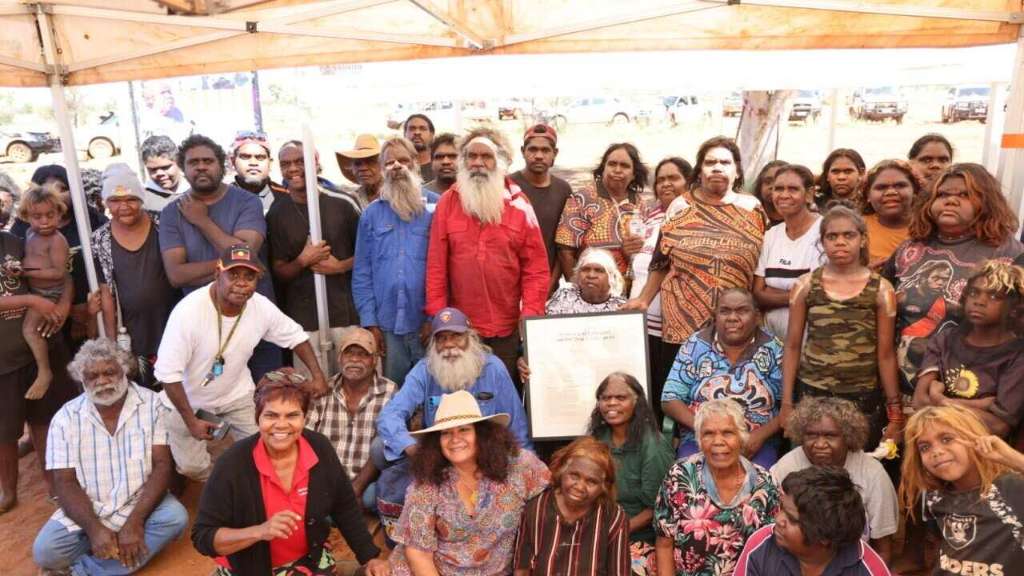
Elders from the Anangu Pitjantjatjara Yankunytjatjara (APY) Lands have called for a major overhaul of governance arrangements, amid ongoing concerns about leadership stability, decision-making processes and accountability within the organisation responsible for managing the remote region.
The APY Lands, located in the far north-west of South Australia, cover more than 100,000 square kilometres and are home to thousands of Aṉangu people across several remote communities. The APY Executive Board is responsible for representing community interests and overseeing the administration of the lands.
The call for reform comes after a period of significant governance challenges involving the APY leadership structure, including disputes over senior management appointments and concerns raised about transparency in decision-making. Previous reviews and government interventions examined issues around recruitment processes, board procedures and administrative practices.
Elders have argued that future governance arrangements must ensure community voices are properly heard and that leaders are accountable to the people living on the lands. They say improving governance is essential for protecting cultural authority, strengthening services and creating better outcomes for future generations.
The concerns follow earlier disputes involving the appointment and removal of APY general managers. In 2025, a government-commissioned review found issues with the process used to reappoint former general manager Richard King, leading to a period of administration and efforts to establish a new leadership pathway.
More recently, another leadership dispute emerged after general manager Trent Wilkinson was removed from his position following complaints and board action. Wilkinson disputed the legality of the decision, while the board maintained that the termination was valid.
Community representatives have stressed that governance reform should not undermine Aboriginal self-determination. Instead, they are seeking systems that combine cultural leadership with clear rules, financial accountability and transparent decision-making processes.
The APY Lands have faced long-running challenges linked to remoteness, infrastructure needs, access to services and economic opportunities. Elders say effective leadership is critical to addressing these issues and ensuring government funding and community programs are managed effectively.
Supporters of reform say stronger governance structures could help rebuild trust between communities, the APY organisation and government agencies. They argue that clear processes for leadership selection, reporting and financial management would provide greater confidence for residents and stakeholders.
The South Australian government has previously said it supports Aboriginal self-determination while also ensuring statutory organisations meet governance responsibilities. Officials have monitored the APY situation and provided oversight during periods of instability.
The debate highlights broader discussions across Australia about how Indigenous organisations can maintain cultural authority while operating with strong administrative systems. Many Aboriginal leaders argue that governance models must reflect local traditions while also meeting modern accountability expectations.
For APY Lands communities, elders say the priority is creating a stable and respectful leadership structure that places community wellbeing at the centre of decision-making.
The push for reform is expected to continue as stakeholders discuss the future direction of the organisation and how governance can better serve Aṉangu communities across one of Australia's largest Indigenous land regions.
GovernanceLeadershipLandsCommunityElders
Elders from the Anangu Pitjantjatjara Yankunytjatjara (APY) Lands have called for a major overhaul of governance arrangements, amid ongoing concerns about leadership stability, decision-making processes and accountability within the organisation responsible for managing the remote region.
The APY Lands, located in the far north-west of South Australia, cover more than 100,000 square kilometres and are home to thousands of Aṉangu people across several remote communities. The APY Executive Board is responsible for representing community interests and overseeing the administration of the lands.
The call for reform comes after a period of significant governance challenges involving the APY leadership structure, including disputes over senior management appointments and concerns raised about transparency in decision-making. Previous reviews and government interventions examined issues around recruitment processes, board procedures and administrative practices.
Elders have argued that future governance arrangements must ensure community voices are properly heard and that leaders are accountable to the people living on the lands. They say improving governance is essential for protecting cultural authority, strengthening services and creating better outcomes for future generations.
The concerns follow earlier disputes involving the appointment and removal of APY general managers. In 2025, a government-commissioned review found issues with the process used to reappoint former general manager Richard King, leading to a period of administration and efforts to establish a new leadership pathway.
More recently, another leadership dispute emerged after general manager Trent Wilkinson was removed from his position following complaints and board action. Wilkinson disputed the legality of the decision, while the board maintained that the termination was valid.
Community representatives have stressed that governance reform should not undermine Aboriginal self-determination. Instead, they are seeking systems that combine cultural leadership with clear rules, financial accountability and transparent decision-making processes.
The APY Lands have faced long-running challenges linked to remoteness, infrastructure needs, access to services and economic opportunities. Elders say effective leadership is critical to addressing these issues and ensuring government funding and community programs are managed effectively.
Supporters of reform say stronger governance structures could help rebuild trust between communities, the APY organisation and government agencies. They argue that clear processes for leadership selection, reporting and financial management would provide greater confidence for residents and stakeholders.
The South Australian government has previously said it supports Aboriginal self-determination while also ensuring statutory organisations meet governance responsibilities. Officials have monitored the APY situation and provided oversight during periods of instability.
The debate highlights broader discussions across Australia about how Indigenous organisations can maintain cultural authority while operating with strong administrative systems. Many Aboriginal leaders argue that governance models must reflect local traditions while also meeting modern accountability expectations.
For APY Lands communities, elders say the priority is creating a stable and respectful leadership structure that places community wellbeing at the centre of decision-making.
The push for reform is expected to continue as stakeholders discuss the future direction of the organisation and how governance can better serve Aṉangu communities across one of Australia's largest Indigenous land regions.
An automated external defibrillator and memorial plaque have been installed at Ellery Creek Big Hole following the death of disability advocate Ellen Fr...
Bathurst New South Wales · Community News · 17 Sep 2026
Kerry “Pecky” Peck, a long-standing Bathurst radio personality, has been inducted into the Bathurst Business Hall of Fame in recognition of his extensive contribution to the loc...
A new specialist family-violence support model has been introduced in Ballarat, with dedicated workers now embedded alongside Victoria Police to help people experiencing family...
Orange New South Wales · Community News · 17 Sep 2026
Orange City Council has elected a new Deputy Mayor for the next two years, with the decision announced today, 17 September 2026. The council said the election took place during...
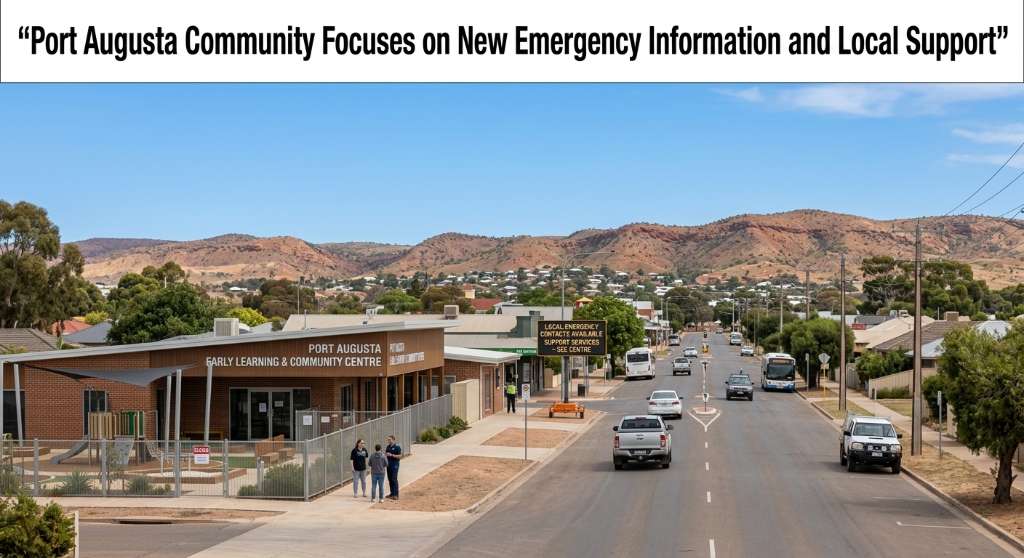
New community information initiatives are helping residents access emergency warnings and local support as Port Augusta and the wider region prepare for...
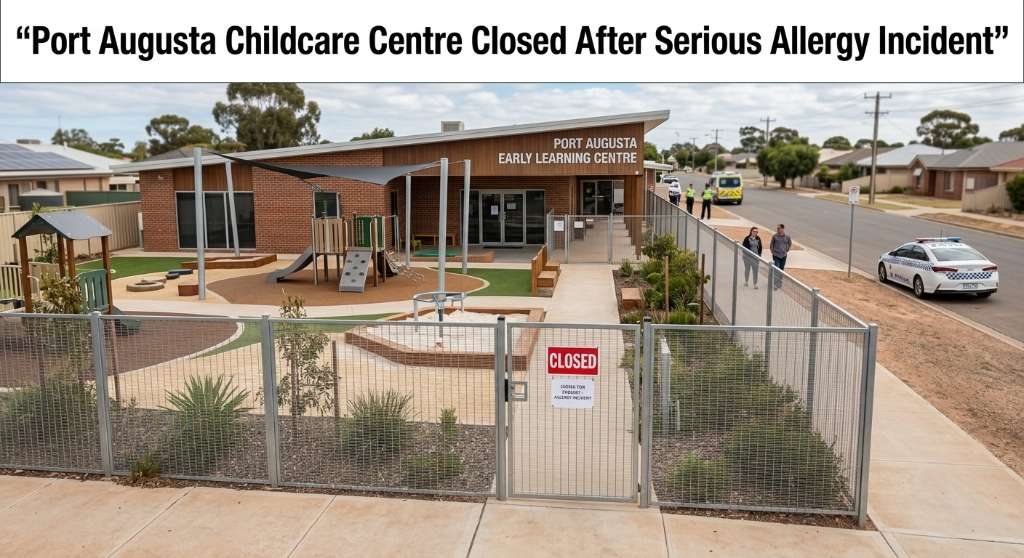
An Edge Early Learning centre in Port Augusta has been ordered to close for two weeks after a child with allergies was hospitalised after being given fo...
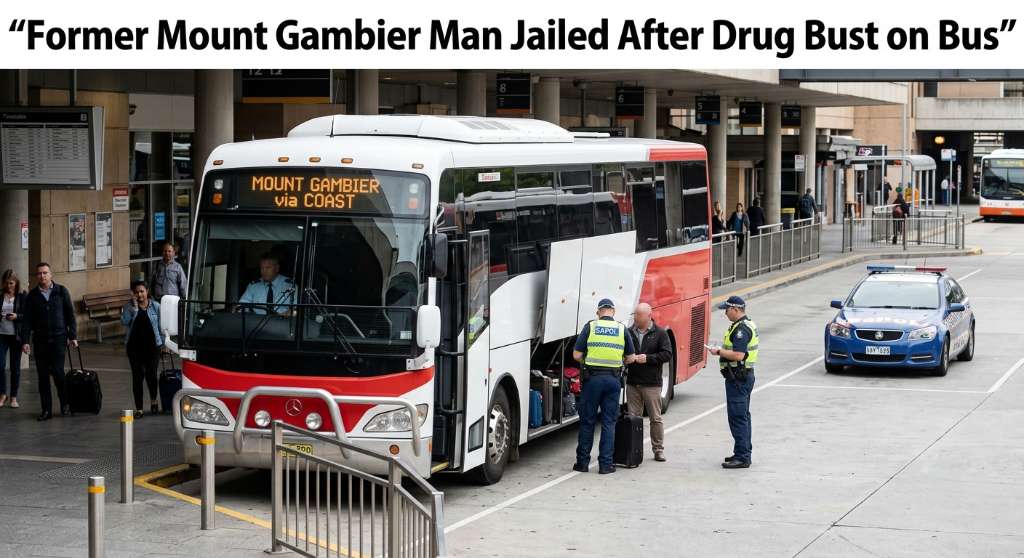
A 44-year-old man has been jailed after police found suspected methamphetamine, GHB and more than $40,000 in cash before he travelled towards Mount Gamb...
Cairns Regional Council has unanimously voted to seek $400,000 in Queensland Government funding for a program designed to connect local businesses with the region’s growing film...
An automated external defibrillator and memorial plaque have been installed at Ellery Creek Big Hole following the death of disability advocate Ellen Fr...
Queensland firefighters spent several hours monitoring a significant grass fire at Mary Kinross Park in Bargara, near Bundaberg, after the blaze broke out on Wednesday evening....