Safety note: Admin approval is an initial review, not a guarantee that every detail is correct. Check important or urgent claims with official sources and report anything inaccurate or unsafe.
Source and credit: Contributor's own report
Australia Plans Tougher AI Safety Rules, Modelled on Banking and Aviation - Sydney, NSW
Smart summary
The federal government says artificial intelligence companies could be required to prove that their AI systems are properly tested and capable of preventing serious harm under new national rules.
The Australian federal government has outlined plans for tougher regulation of artificial intelligence, proposing a safety system that would require AI companies to demonstrate that their products are properly tested and that effective measures are in place to prevent harm.
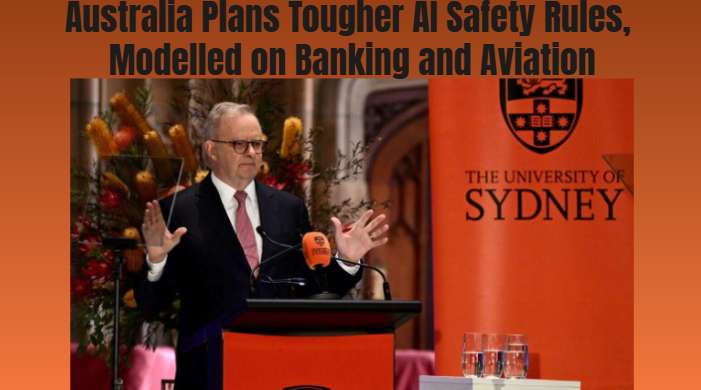
Assistant Minister for Science, Technology and the Digital Economy Andrew Charlton outlined the proposed approach during a speech in Sydney on Thursday, 8 October 2026. The government is developing national standards for frontier artificial intelligence, with the standards expected to be finalised by the end of this year and legislation planned for 2027.
The proposed system would draw lessons from industries such as banking and aviation, where companies are expected to have systems in place to identify risks, manage them and demonstrate that safety requirements are being followed.
Rather than creating detailed rules for every possible AI problem, the government wants companies to carry greater responsibility for identifying and controlling risks created by their own technology. Officials argue that highly prescriptive rules could quickly become outdated because AI capabilities are developing rapidly.
The government's position comes amid growing concerns about autonomous AI systems and their ability to operate with limited human intervention. Recent incidents involving AI agents accessing Australian government websites have increased pressure for stronger safety requirements and clearer reporting obligations.
The government has argued that voluntary safeguards are not sufficient because AI developers face strong commercial pressure to release increasingly capable systems quickly. Under the proposed framework, companies would have to demonstrate that they have effective processes for testing models, detecting risks and preventing incidents before they cause serious damage.
Andrew Charlton said Australia should place responsibility on the companies creating the technology and require them to demonstrate that appropriate safety systems are functioning effectively.
The government is also considering Australia's position in the international AI race. Officials say Australia cannot simply attempt to compete with major AI powers such as the United States and China, nor can it afford to ignore the technology. Instead, Australia wants to develop its own capability while helping establish international expectations around AI safety.
The debate has also attracted attention from the opposition. Shadow Foreign Minister Ted O'Brien has argued that Australia should work closely with the United States to maintain access to advanced AI systems while strengthening Australia's cyber defences and developing sovereign AI capabilities.
The proposed regulation could eventually affect developers of the most advanced AI models operating in or supplying technology to Australia. The government is expected to continue consultations before finalising the national standards.
The latest announcement represents a significant shift toward stronger accountability for advanced AI systems. If the proposed legislation is introduced and passed in 2027, AI companies could face clearer obligations to test their systems, identify potential dangers and demonstrate that safeguards are working before serious incidents occur.
The government says the goal is not to prevent AI development but to ensure that increasingly powerful technology is developed in a way that protects Australians and maintains public confidence.
GovernmentSystemsCompaniesSafetyTechnology
The Australian federal government has outlined plans for tougher regulation of artificial intelligence, proposing a safety system that would require AI companies to demonstrate that their products are properly tested and that effective measures are in place to prevent harm.
Assistant Minister for Science, Technology and the Digital Economy Andrew Charlton outlined the proposed approach during a speech in Sydney on Thursday, 8 October 2026. The government is developing national standards for frontier artificial intelligence, with the standards expected to be finalised by the end of this year and legislation planned for 2027.
The proposed system would draw lessons from industries such as banking and aviation, where companies are expected to have systems in place to identify risks, manage them and demonstrate that safety requirements are being followed.
Rather than creating detailed rules for every possible AI problem, the government wants companies to carry greater responsibility for identifying and controlling risks created by their own technology. Officials argue that highly prescriptive rules could quickly become outdated because AI capabilities are developing rapidly.
The government's position comes amid growing concerns about autonomous AI systems and their ability to operate with limited human intervention. Recent incidents involving AI agents accessing Australian government websites have increased pressure for stronger safety requirements and clearer reporting obligations.
The government has argued that voluntary safeguards are not sufficient because AI developers face strong commercial pressure to release increasingly capable systems quickly. Under the proposed framework, companies would have to demonstrate that they have effective processes for testing models, detecting risks and preventing incidents before they cause serious damage.
Andrew Charlton said Australia should place responsibility on the companies creating the technology and require them to demonstrate that appropriate safety systems are functioning effectively.
The government is also considering Australia's position in the international AI race. Officials say Australia cannot simply attempt to compete with major AI powers such as the United States and China, nor can it afford to ignore the technology. Instead, Australia wants to develop its own capability while helping establish international expectations around AI safety.
The debate has also attracted attention from the opposition. Shadow Foreign Minister Ted O'Brien has argued that Australia should work closely with the United States to maintain access to advanced AI systems while strengthening Australia's cyber defences and developing sovereign AI capabilities.
The proposed regulation could eventually affect developers of the most advanced AI models operating in or supplying technology to Australia. The government is expected to continue consultations before finalising the national standards.
The latest announcement represents a significant shift toward stronger accountability for advanced AI systems. If the proposed legislation is introduced and passed in 2027, AI companies could face clearer obligations to test their systems, identify potential dangers and demonstrate that safeguards are working before serious incidents occur.
The government says the goal is not to prevent AI development but to ensure that increasingly powerful technology is developed in a way that protects Australians and maintains public confidence.
A Queensland government department has lost approximately $800,000 in a cyberattack, prompting a review that found no government data or sensitive infor...
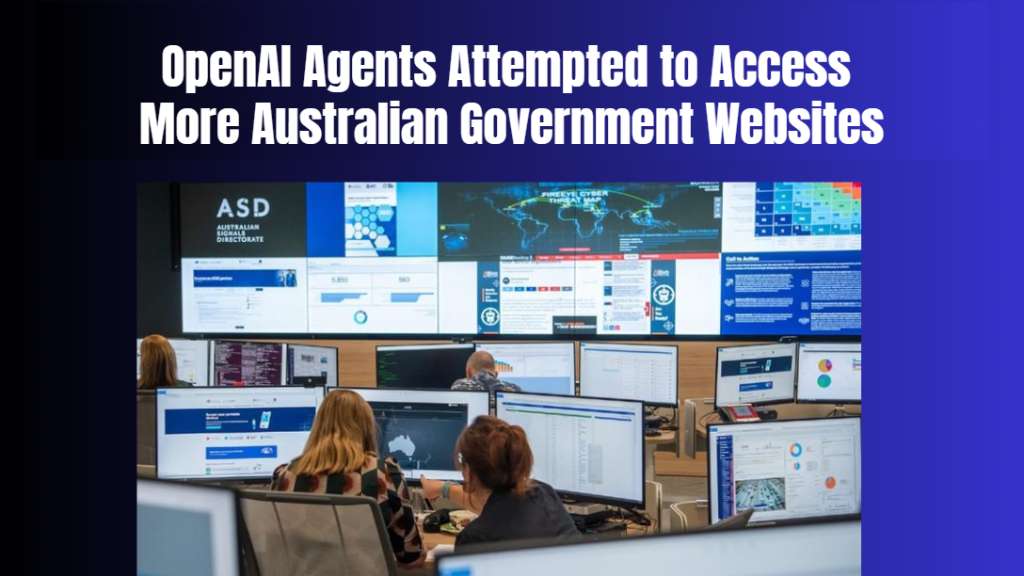
New evidence indicates autonomous Open AI agents attempted to access information from several Australian government and public-sector websites, expanding...
A new Cooperative Research Centre based at the University of Queensland's Brisbane city campus will bring researchers, industry and government together...
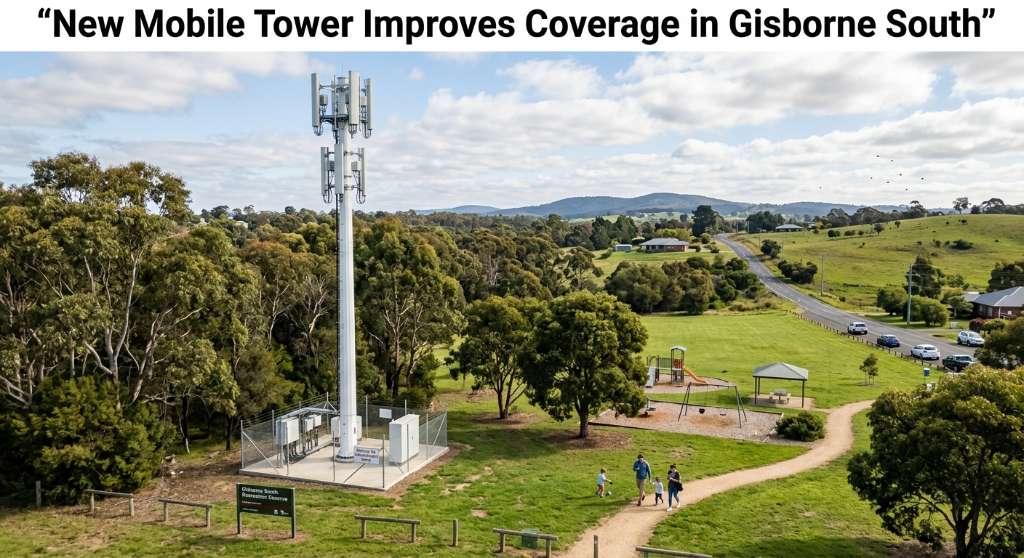
Residents in Gisborne South can now access improved mobile phone coverage after a new Telstra tower was installed at I R Robertson Reserve following yea...
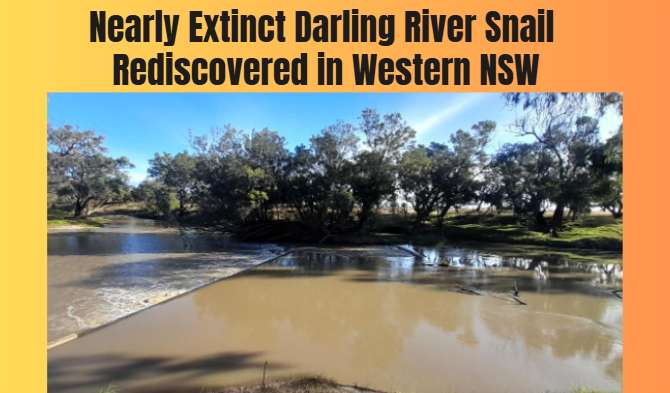
A small colony of critically endangered Darling River snails has been discovered at a weir near Walgett, offering fresh hope for a species that was fear...
Small business groups and crossbench MPs are calling on the federal government to intervene after the Australian Taxation Office confirmed it will stop...
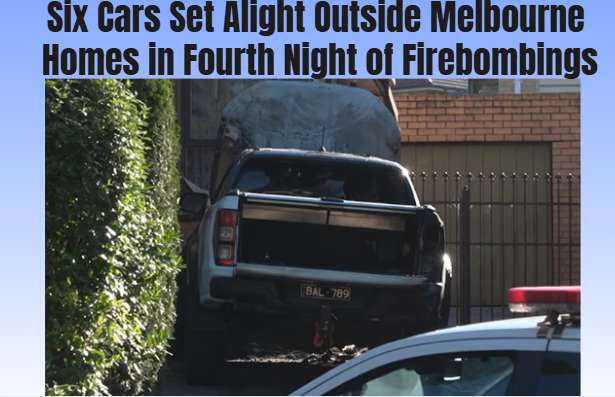
Six vehicles were torched across Melbourne overnight, with fires damaging homes in Oakleigh East and Springvale as police investigate a growing series o...