Safety note: Admin approval is an initial review, not a guarantee that every detail is correct. Check important or urgent claims with official sources and report anything inaccurate or unsafe.
Queensland woman reflects on four decades of resilience, stigma, and survival after becoming one of Australia’s longest-living HIV survivors
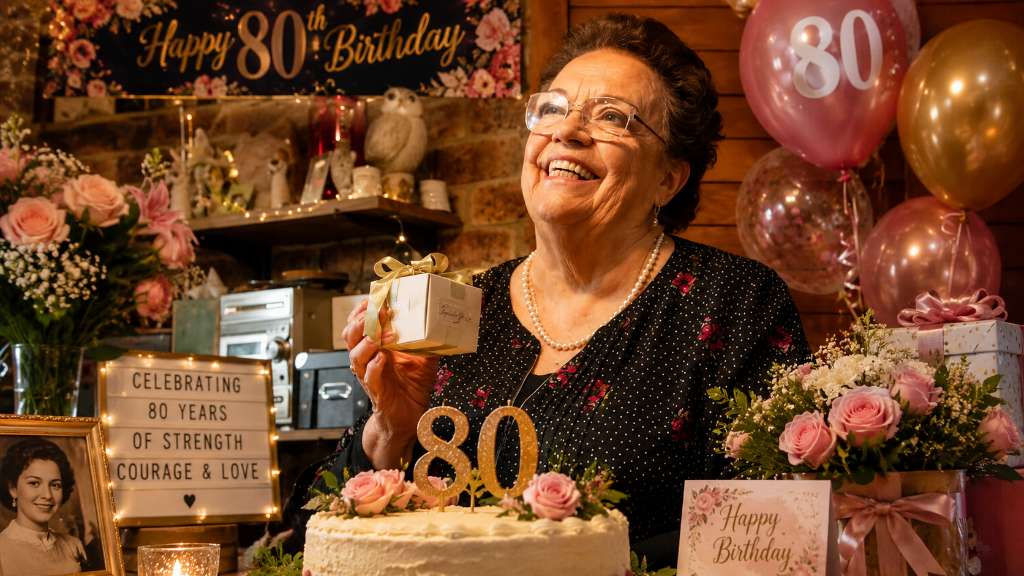
Lyndal Johns, believed to be Australia’s longest-living HIV survivor, has celebrated her 80th birthday surrounded by family, friends, and supporters, marking an extraordinary milestone in a journey defined by resilience, courage, and determination.
The Toowoomba resident reached the landmark birthday after living with HIV for more than four decades, a diagnosis she received in 1984 following a contaminated plasma transfusion at a Sydney hospital. At the time, public understanding of HIV and AIDS was extremely limited, and fear surrounding the illness was widespread across Australia.
Reflecting on her life, Lyndal described her approach to adversity as facing challenges head-on rather than running from them. She compared herself to a buffalo charging into a storm, believing that confronting hardship directly allows a person to emerge stronger on the other side.
Lyndal’s life before her diagnosis was filled with remarkable achievements. She worked as an entertainer for Australian troops in Vietnam in 1969, performed with the prestigious Borovansky Ballet Company, appeared on television programs including It’s a Knockout, and later became a highly respected cheerleading coach.
However, her HIV diagnosis changed everything.
As a single mother raising two children, Lyndal faced uncertainty, fear, and social isolation during an era when HIV carried significant stigma. She revealed that after learning of her condition, she worried not only about her future but also about the impact the diagnosis would have on her children.
Despite these challenges, she chose to speak publicly about her illness in an effort to educate Australians and challenge misconceptions surrounding HIV. Her decision helped raise awareness but also exposed her to discrimination.
Lyndal recalled incidents where people refused to shake her hand, hospital staff avoided close contact, and her children faced bullying at school because of public fear surrounding the disease.
Over time, advances in medical research improved treatment options and public understanding of HIV. Lyndal’s survival and willingness to share her story inspired many others living with the condition.
Throughout her health battle, she continued coaching cheerleading teams across Queensland and worked with several sporting organisations, including squads connected to major rugby league and basketball clubs. Her passion for mentoring young people remained a constant source of purpose and motivation.
After moving to Toowoomba, Lyndal became deeply connected to the local community. She later began teaching cognitive and wellbeing programs in churches and aged-care facilities, helping others maintain mental engagement and social connection.
Now celebrating her 80th birthday, Lyndal says gratitude and perseverance have played a major role in her longevity. She credits the supportive environment of Toowoomba, along with her determination to keep moving forward, for helping her reach a milestone she once believed she would never see.
Her story remains a powerful reminder of how medical progress, public education, and personal resilience can transform lives. As family and friends gathered to celebrate her birthday, Lyndal’s journey stood as a symbol of hope for people facing adversity across Australia and beyond.
LyndalBirthdayDiagnosisAcrossChildren
Lyndal Johns, believed to be Australia’s longest-living HIV survivor, has celebrated her 80th birthday surrounded by family, friends, and supporters, marking an extraordinary milestone in a journey defined by resilience, courage, and determination.
The Toowoomba resident reached the landmark birthday after living with HIV for more than four decades, a diagnosis she received in 1984 following a contaminated plasma transfusion at a Sydney hospital. At the time, public understanding of HIV and AIDS was extremely limited, and fear surrounding the illness was widespread across Australia.
Reflecting on her life, Lyndal described her approach to adversity as facing challenges head-on rather than running from them. She compared herself to a buffalo charging into a storm, believing that confronting hardship directly allows a person to emerge stronger on the other side.
Lyndal’s life before her diagnosis was filled with remarkable achievements. She worked as an entertainer for Australian troops in Vietnam in 1969, performed with the prestigious Borovansky Ballet Company, appeared on television programs including It’s a Knockout, and later became a highly respected cheerleading coach.
However, her HIV diagnosis changed everything.
As a single mother raising two children, Lyndal faced uncertainty, fear, and social isolation during an era when HIV carried significant stigma. She revealed that after learning of her condition, she worried not only about her future but also about the impact the diagnosis would have on her children.
Despite these challenges, she chose to speak publicly about her illness in an effort to educate Australians and challenge misconceptions surrounding HIV. Her decision helped raise awareness but also exposed her to discrimination.
Lyndal recalled incidents where people refused to shake her hand, hospital staff avoided close contact, and her children faced bullying at school because of public fear surrounding the disease.
Over time, advances in medical research improved treatment options and public understanding of HIV. Lyndal’s survival and willingness to share her story inspired many others living with the condition.
Throughout her health battle, she continued coaching cheerleading teams across Queensland and worked with several sporting organisations, including squads connected to major rugby league and basketball clubs. Her passion for mentoring young people remained a constant source of purpose and motivation.
After moving to Toowoomba, Lyndal became deeply connected to the local community. She later began teaching cognitive and wellbeing programs in churches and aged-care facilities, helping others maintain mental engagement and social connection.
Now celebrating her 80th birthday, Lyndal says gratitude and perseverance have played a major role in her longevity. She credits the supportive environment of Toowoomba, along with her determination to keep moving forward, for helping her reach a milestone she once believed she would never see.
Her story remains a powerful reminder of how medical progress, public education, and personal resilience can transform lives. As family and friends gathered to celebrate her birthday, Lyndal’s journey stood as a symbol of hope for people facing adversity across Australia and beyond.
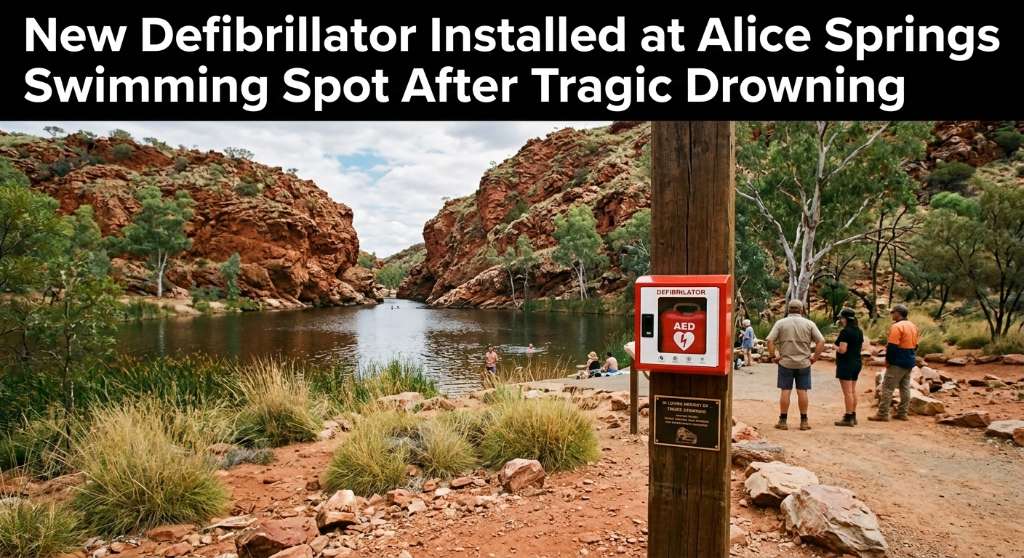
An automated external defibrillator and memorial plaque have been installed at Ellery Creek Big Hole following the death of disability advocate Ellen Fr...
Bathurst New South Wales · Community News · 17 Sep 2026
Kerry “Pecky” Peck, a long-standing Bathurst radio personality, has been inducted into the Bathurst Business Hall of Fame in recognition of his extensive contribution to the loc...
A new specialist family-violence support model has been introduced in Ballarat, with dedicated workers now embedded alongside Victoria Police to help people experiencing family...
Orange New South Wales · Community News · 17 Sep 2026
Orange City Council has elected a new Deputy Mayor for the next two years, with the decision announced today, 17 September 2026. The council said the election took place during...
Queensland's emerging football prospects are coming together for a three-day Brisbane Lions State Academy showcase, giving young players an opportunity...
A Wavell Heights enrolled nurse has been charged with four counts of alleged sexual assault and one count of wilful exposure, with his professional regi...
A 24-year-old Carina Heights man has been charged with 36 offences following an investigation into alleged break-ins, vehicle offences and other propert...
Cairns Regional Council has unanimously voted to seek $400,000 in Queensland Government funding for a program designed to connect local businesses with the region’s growing film...
An automated external defibrillator and memorial plaque have been installed at Ellery Creek Big Hole following the death of disability advocate Ellen Fr...
Queensland firefighters spent several hours monitoring a significant grass fire at Mary Kinross Park in Bargara, near Bundaberg, after the blaze broke out on Wednesday evening....