Safety note: Admin approval is an initial review, not a guarantee that every detail is correct. Check important or urgent claims with official sources and report anything inaccurate or unsafe.
Source and credit: Contributor's own report
Brisbane Startup Secures $1.35 Million Funding for Stratospheric Weather Technology - Brisbane, QLD
Smart summary
Brisbane-based Sky Sight has secured approximately $1.35 million in UK funding to develop advanced weather forecasting and flight-planning technology for aircraft operating in the stratosphere.
A Brisbane-based technology startup has secured approximately $1.35 million in funding from the United Kingdom's Advanced Research and Invention Agency (ARIA) to develop a new weather forecasting and flight-planning platform for aircraft operating in the stratosphere. The funding was announced on 21 September 2026 and forms part of ARIA's Enduring Atmospheric Platforms programme.
Sky Sight, a Queensland company, will use the funding to develop technology designed for High Altitude Pseudo-Satellites, commonly known as HAPS. These aircraft are designed to operate for extended periods in the stratosphere and can potentially support communications and connectivity services over large areas.
The project is focused on a major challenge for high-altitude aircraft: understanding and responding to changing atmospheric conditions. Weather at stratospheric altitudes can affect aircraft routes, energy availability and the ability of a platform to remain over a particular location. Sky Sight's proposed system is intended to combine weather forecasting with flight planning so operators can make adjustments based on changing conditions.
According to the announcement, the platform is expected to provide forecasts that are updated every 20 minutes. It will also use high-resolution atmospheric modelling to provide detailed information about conditions at different locations and altitudes. The system is designed to help operators identify favourable conditions for solar energy collection as well as radio-frequency and laser power transmission.
Another planned feature is interactive four-dimensional route planning. This means the system would consider location, altitude and time when helping aircraft determine their routes. Such technology could be important for HAPS operators because these aircraft need to remain within suitable atmospheric conditions while also managing available power.
Sky Sight's work will be delivered through its UK subsidiary as part of ARIA's wider Enduring Atmospheric Platforms programme. ARIA says the programme has a total backing of £70 million and involves 18 funded teams working on technologies intended to make long-duration stratospheric operations more reliable and cost-effective.
The broader programme is examining technologies that could allow aircraft to remain in the stratosphere while delivering advanced communications services. Such platforms could eventually provide connectivity to areas that are difficult or expensive to serve through conventional infrastructure.
For Brisbane, the announcement highlights the international reach of the city's technology and aerospace sector. Sky Sight's work has previously involved stratospheric forecasting projects for organisations including The Perlan Project, BAE Systems and Kea Aerospace, according to the funding announcement.
The new project is not about conventional weather forecasting for people on the ground. Instead, it is specifically aimed at supporting aircraft and high-altitude platforms operating in a challenging atmospheric environment. Accurate forecasting could help operators determine where aircraft should fly, how long they can remain over a target area and how changing weather may affect their energy requirements.
The technology could also become relevant to future communications infrastructure. HAPS aircraft are being investigated internationally as a way of carrying communications equipment at very high altitudes for extended periods.
The Brisbane-based team will now work on developing the forecasting and planning platform as part of ARIA's programme. The initiative is one of several research projects being funded to improve the reliability of future stratospheric aircraft and associated communications technologies.
AircraftAtmosphericForecastingTechnologyWeather
A Brisbane-based technology startup has secured approximately $1.35 million in funding from the United Kingdom's Advanced Research and Invention Agency (ARIA) to develop a new weather forecasting and flight-planning platform for aircraft operating in the stratosphere. The funding was announced on 21 September 2026 and forms part of ARIA's Enduring Atmospheric Platforms programme.
Sky Sight, a Queensland company, will use the funding to develop technology designed for High Altitude Pseudo-Satellites, commonly known as HAPS. These aircraft are designed to operate for extended periods in the stratosphere and can potentially support communications and connectivity services over large areas.
The project is focused on a major challenge for high-altitude aircraft: understanding and responding to changing atmospheric conditions. Weather at stratospheric altitudes can affect aircraft routes, energy availability and the ability of a platform to remain over a particular location. Sky Sight's proposed system is intended to combine weather forecasting with flight planning so operators can make adjustments based on changing conditions.
According to the announcement, the platform is expected to provide forecasts that are updated every 20 minutes. It will also use high-resolution atmospheric modelling to provide detailed information about conditions at different locations and altitudes. The system is designed to help operators identify favourable conditions for solar energy collection as well as radio-frequency and laser power transmission.
Another planned feature is interactive four-dimensional route planning. This means the system would consider location, altitude and time when helping aircraft determine their routes. Such technology could be important for HAPS operators because these aircraft need to remain within suitable atmospheric conditions while also managing available power.
Sky Sight's work will be delivered through its UK subsidiary as part of ARIA's wider Enduring Atmospheric Platforms programme. ARIA says the programme has a total backing of £70 million and involves 18 funded teams working on technologies intended to make long-duration stratospheric operations more reliable and cost-effective.
The broader programme is examining technologies that could allow aircraft to remain in the stratosphere while delivering advanced communications services. Such platforms could eventually provide connectivity to areas that are difficult or expensive to serve through conventional infrastructure.
For Brisbane, the announcement highlights the international reach of the city's technology and aerospace sector. Sky Sight's work has previously involved stratospheric forecasting projects for organisations including The Perlan Project, BAE Systems and Kea Aerospace, according to the funding announcement.
The new project is not about conventional weather forecasting for people on the ground. Instead, it is specifically aimed at supporting aircraft and high-altitude platforms operating in a challenging atmospheric environment. Accurate forecasting could help operators determine where aircraft should fly, how long they can remain over a target area and how changing weather may affect their energy requirements.
The technology could also become relevant to future communications infrastructure. HAPS aircraft are being investigated internationally as a way of carrying communications equipment at very high altitudes for extended periods.
The Brisbane-based team will now work on developing the forecasting and planning platform as part of ARIA's programme. The initiative is one of several research projects being funded to improve the reliability of future stratospheric aircraft and associated communications technologies.
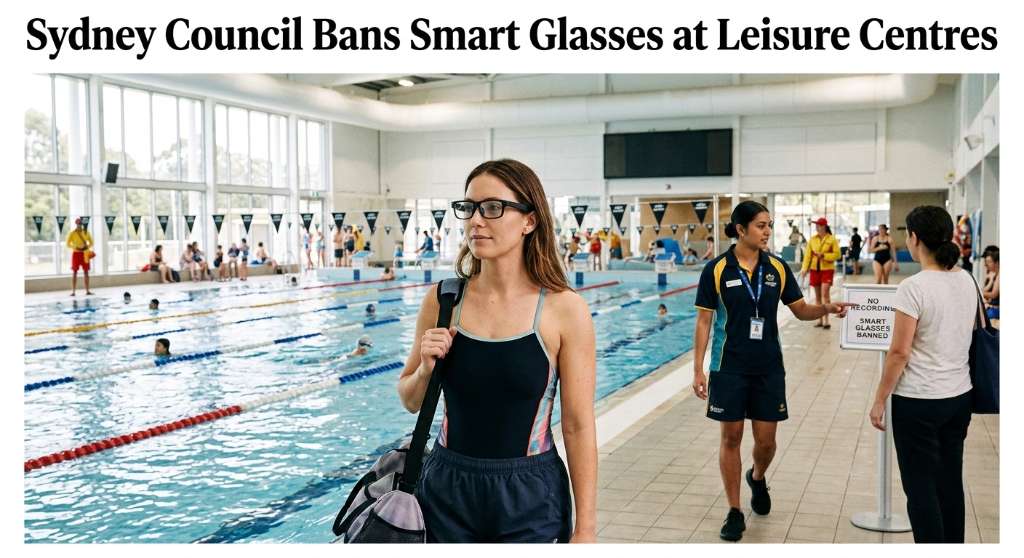
Canterbury-Bankstown Council has introduced a ban on smart glasses at its five council-operated leisure and aquatic centres over privacy and unauthorise...
Tesla is preparing to bring its driverless Cybercab to Australia for a preview, giving Australians an early look at the company’s autonomous vehicle tec...
A 15-year-old Pacific Lutheran College student has developed a privacy-first women’s health app and presented her work at a major national cyber event.
Brisbane is hosting a three-day national conference focused on critical minerals, supply chains, processing, investment and the future of Australia's re...
A local investor has purchased Brisbane's historic Coorparoo Bowls Club, with both bowling greens set to remain and the clubhouse planned for renovation.
Two teenage boys were taken to hospital after falling from a dam wall at a popular swimming location in Brisbane’s north during the first weekend of Que...
A new hybrid cricket wicket will be developed and tested at The Gabba before being transferred to Brisbane Stadium, with international cricket planned f...
Brisbane is hosting a three-day national conference focused on critical minerals, supply chains, processing, investment and the future of Australia's re...
A local investor has purchased Brisbane's historic Coorparoo Bowls Club, with both bowling greens set to remain and the clubhouse planned for renovation.
Two teenage boys were taken to hospital after falling from a dam wall at a popular swimming location in Brisbane’s north during the first weekend of Que...
A new hybrid cricket wicket will be developed and tested at The Gabba before being transferred to Brisbane Stadium, with international cricket planned f...