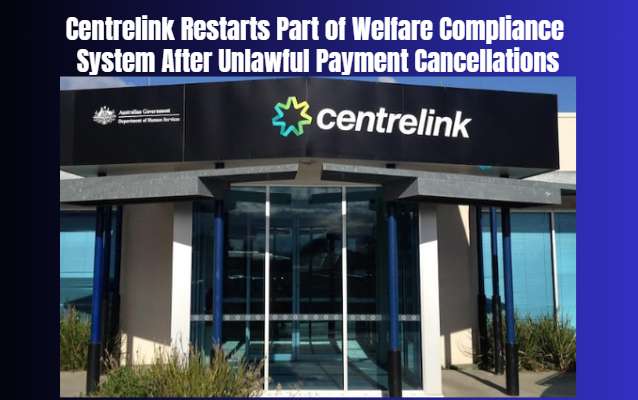
Centrelink Restarts Part of Welfare Compliance System After Unlawful Payment Cancellations
By Chloe · Published 28 Oct 2026 · Updated 28 Oct 2026
National, ACT
Safety note: Admin approval is an initial review, not a guarantee that every detail is correct. Check important or urgent claims with official sources and report anything inaccurate or unsafe.
Source and credit: Contributor's own report
Centrelink Restarts Part of Welfare Compliance System After Unlawful Payment Cancellations - National, ACT
Smart summary
The Australian government has resumed some welfare payment suspension and cancellation powers while inviting more than 50,000 people to seek compensation over past administrative failures.
The Australian federal government has restarted parts of Centrelink’s controversial welfare compliance system after an investigation found that hundreds of jobseekers had their income support payments unlawfully cancelled. At the same time, the government has begun inviting more than 50,000 people to apply for compensation over past administrative failures.
The system, known as the Targeted Compliance Framework, monitors whether people receiving certain employment-related payments meet their mutual obligation requirements. These can include looking for work, attending appointments, accepting suitable employment and participating in approved activities.
Some of the framework’s payment suspension and cancellation powers were paused in July 2024 after concerns emerged that decisions were being made unlawfully. A subsequent investigation by the Commonwealth Ombudsman found that 964 payment cancellations between April 2022 and July 2024 had not complied with the law. The watchdog warned that losing income support could have a profound impact on people already experiencing financial hardship.
The Department of Employment and Workplace Relations said it had addressed the identified problems through changes to its information technology systems, additional testing, improved communication with welfare recipients and further training for decision-makers.
Some provisions resumed on 26 October 2026. These allow payments to be suspended in certain circumstances, including when a jobseeker refuses or fails to accept an offer of suitable employment. A separate provision allows cancellation if a person does not meet a reconnection requirement within four weeks. The broader framework has not been fully restored: several other payment cancellation powers remain paused while further safeguards are developed.
The compensation process is another major part of the government's response. The department is inviting 50,652 people identified through data analysis as potentially eligible to apply under the Compensation for Detriment caused by Defective Administration scheme. More than 600 people had already received approximately $870,000 in compensation by the time of the report.
However, welfare advocates have questioned whether the invitation process reaches everyone affected. Some estimates suggest the number of people who experienced unlawful cancellations could be substantially higher than the number currently being invited to apply. Advocates argue that the department must demonstrate that the problems have been fully resolved before the system is allowed to operate again.
The consequences of an incorrect cancellation can be severe. An Adelaide man identified by the ABC as Daniel said his payments were repeatedly suspended despite being exempt from compulsory employment activities. His payments were eventually cancelled, leaving him without income support for more than three years. After his case was reviewed, the department reversed the decision and paid approximately $53,000 in back payments.
His experience illustrates how administrative errors can affect housing security, access to essentials and a person's ability to maintain stable living conditions.
Disability advocacy organisations have also raised concerns that people with disability may be disproportionately affected by payment suspensions. They argue that the compliance framework can create additional barriers for people whose circumstances make it difficult to meet standard employment requirements.
The department maintains that the necessary corrections have been made and says it will closely monitor the provisions that have resumed. The remaining paused measures are expected to be reconsidered in the first quarter of 2027, subject to further system changes and safeguards.
The issue has renewed debate over how Australia balances employment participation requirements with the need to protect people who depend on government support. The effectiveness of the revised system will depend on whether decisions are made lawfully, individual circumstances are properly considered and people can challenge errors before losing essential income.
PeopleEmploymentPaymentsSystemDepartment
The Australian federal government has restarted parts of Centrelink’s controversial welfare compliance system after an investigation found that hundreds of jobseekers had their income support payments unlawfully cancelled. At the same time, the government has begun inviting more than 50,000 people to apply for compensation over past administrative failures.
The system, known as the Targeted Compliance Framework, monitors whether people receiving certain employment-related payments meet their mutual obligation requirements. These can include looking for work, attending appointments, accepting suitable employment and participating in approved activities.
Some of the framework’s payment suspension and cancellation powers were paused in July 2024 after concerns emerged that decisions were being made unlawfully. A subsequent investigation by the Commonwealth Ombudsman found that 964 payment cancellations between April 2022 and July 2024 had not complied with the law. The watchdog warned that losing income support could have a profound impact on people already experiencing financial hardship.
The Department of Employment and Workplace Relations said it had addressed the identified problems through changes to its information technology systems, additional testing, improved communication with welfare recipients and further training for decision-makers.
Some provisions resumed on 26 October 2026. These allow payments to be suspended in certain circumstances, including when a jobseeker refuses or fails to accept an offer of suitable employment. A separate provision allows cancellation if a person does not meet a reconnection requirement within four weeks. The broader framework has not been fully restored: several other payment cancellation powers remain paused while further safeguards are developed.
The compensation process is another major part of the government's response. The department is inviting 50,652 people identified through data analysis as potentially eligible to apply under the Compensation for Detriment caused by Defective Administration scheme. More than 600 people had already received approximately $870,000 in compensation by the time of the report.
However, welfare advocates have questioned whether the invitation process reaches everyone affected. Some estimates suggest the number of people who experienced unlawful cancellations could be substantially higher than the number currently being invited to apply. Advocates argue that the department must demonstrate that the problems have been fully resolved before the system is allowed to operate again.
The consequences of an incorrect cancellation can be severe. An Adelaide man identified by the ABC as Daniel said his payments were repeatedly suspended despite being exempt from compulsory employment activities. His payments were eventually cancelled, leaving him without income support for more than three years. After his case was reviewed, the department reversed the decision and paid approximately $53,000 in back payments.
His experience illustrates how administrative errors can affect housing security, access to essentials and a person's ability to maintain stable living conditions.
Disability advocacy organisations have also raised concerns that people with disability may be disproportionately affected by payment suspensions. They argue that the compliance framework can create additional barriers for people whose circumstances make it difficult to meet standard employment requirements.
The department maintains that the necessary corrections have been made and says it will closely monitor the provisions that have resumed. The remaining paused measures are expected to be reconsidered in the first quarter of 2027, subject to further system changes and safeguards.
The issue has renewed debate over how Australia balances employment participation requirements with the need to protect people who depend on government support. The effectiveness of the revised system will depend on whether decisions are made lawfully, individual circumstances are properly considered and people can challenge errors before losing essential income.
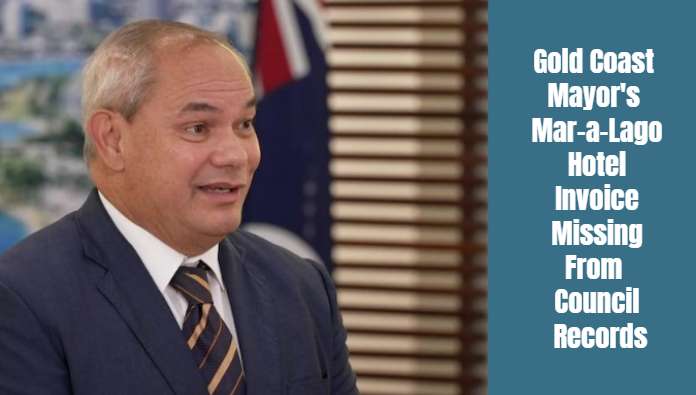
A freedom of information request has revealed that Gold Coast Council does not hold a copy of the invoice for Mayor Tom Tate's three-day stay at Donald...
A nationwide survey of 4,000 Australians reveals declining confidence in politicians, growing dissatisfaction with democracy and significant differences...
New figures reveal more than $3 million in government spending on promotional merchandise, including unusual items such as condoms and lollies, raising...
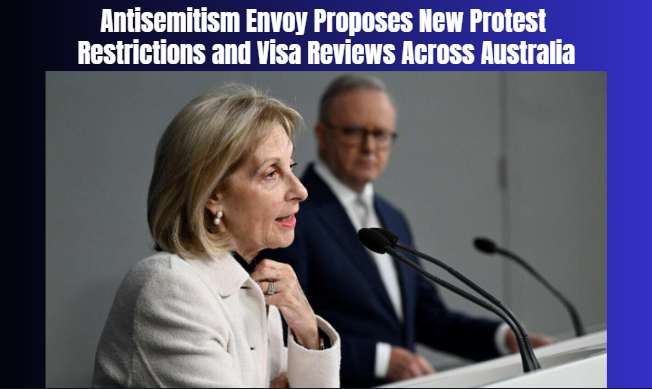
Australia's antisemitism envoy has recommended stronger protest rules, additional visa checks and independent oversight of public broadcasters as part o...
A fisherman escaped unharmed after a large crocodile climbed onto his boat while he was fishing alone on the Mary River, prompting renewed safety warnin...
A filmmaker from Bourke in western New South Wales has taken over leadership of an Indigenous film festival in Paris, creating an opportunity to bring A...
Concerns are growing over the reliability and availability of Australia's public electric vehicle charging network, with thousands of charging points po...
Indigenous women are using traditional weaving and craft-making to strengthen cultural connections, preserve knowledge passed down through generations a...
A psychiatric report presented to South Australia's Supreme Court has raised questions about Tamika Chesser's mental competence in the case involving th...
A freedom of information request has revealed that Gold Coast Council does not hold a copy of the invoice for Mayor Tom Tate's three-day stay at Donald...