Colombian Anti-Drug Police Say They Have No Record of Australian AFP Taskforce Agreement
By Chloe · Published 22 Oct 2026 · Updated 22 Oct 2026
National, ACT
Safety note: Admin approval is an initial review, not a guarantee that every detail is correct. Check important or urgent claims with official sources and report anything inaccurate or unsafe.
Source and credit: Contributor's own report
Colombian Anti-Drug Police Say They Have No Record of Australian AFP Taskforce Agreement - National, ACT
Smart summary
Two Colombian police departments say they have no record of operational cooperation with Australia's newly announced anti-drug taskforce, raising questions about progress in efforts to disrupt international drug-traff...
Questions have emerged over an Australian Federal Police initiative targeting international drug trafficking after two Colombian National Police departments said they had no record of operational cooperation with the newly announced taskforce.
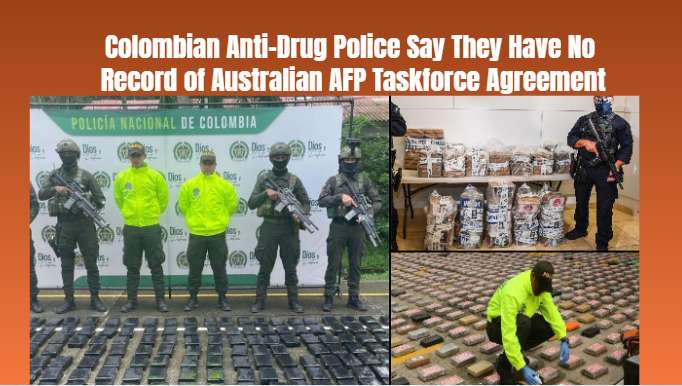
The taskforce was announced in May 2026 by AFP Commissioner Krissy Barrett. Its purpose is to help investigate illicit drug shipments travelling through the Pacific towards Australia. The planned international joint investigations team was expected to involve police from Australia, Colombia, New Zealand, the United States, Mexico and international law-enforcement agencies.
ABC News
However, a joint investigation by ABC News and Colombian newspaper El Tiempo found that Colombia's anti-narcotics department had no recorded protocols or formal procedures establishing its operational role in the initiative.
Information released in response to a freedom-of-information request indicated that the department had not shared drug-related intelligence with the AFP through the taskforce. It also reported no drug seizures or arrests conducted jointly with Australian police under the initiative.
The Colombian department said a letter of intent provided a general framework for cooperation and information exchange. The document did not establish specific responsibilities for the anti-narcotics division or set out procedures for joint drug seizures and investigations.
The AFP told the ABC that the taskforce was not yet operational. It said an additional agreement had been made with Colombia's National Police in August, allowing the proposed team to focus on transnational organised-crime networks. The AFP did not specify when the initiative would begin full operations.
ABC News
Colombia is an important country in international efforts to combat cocaine trafficking. Criminal networks move illicit drugs through multiple countries and maritime routes, with some shipments travelling across the Pacific towards Australia. International police cooperation can help investigators trace shipments, identify organisers, follow financial transactions and coordinate arrests across borders.
The AFP has said that local and international police have seized approximately 17 tonnes of illicit drugs, mostly cocaine, since January 2026, preventing them from reaching Australia through the Pacific. However, the ABC reported that many offshore seizures up to July occurred in French Polynesia and that AFP officers were not physically involved in the interceptions.
Colombia's criminal investigations department also said it could not identify AFP involvement in 174 drug-trafficking investigations conducted between January 2025 and early October 2026. The department noted that the statistics were aggregated and did not identify every agency involved, meaning the figures do not independently prove that no cooperation occurred through other channels.
ABC News
The taskforce's funding, operational commitments and performance measures have also attracted scrutiny. The AFP previously declined to release a group of documents concerning the initiative, citing national security and international relations considerations.
The latest findings do not establish that the taskforce has failed, because the AFP says it remains in the preparatory phase. They do, however, highlight the difference between announcing an international policing initiative and putting practical joint investigations into operation.
The effectiveness of the initiative will depend on formal arrangements, intelligence sharing and coordination between the agencies responsible for frontline drug investigations. Authorities have not provided a confirmed date for when the taskforce will become operational.
A former out-of-home care manager has pleaded not guilty to 30 charges, including alleged sexual assaults and choking offences involving five women over...
Victorian police are searching for the driver of a white semi-trailer truck after a motorcyclist was found dead on the Maroondah Highway near Yarck. Inv...
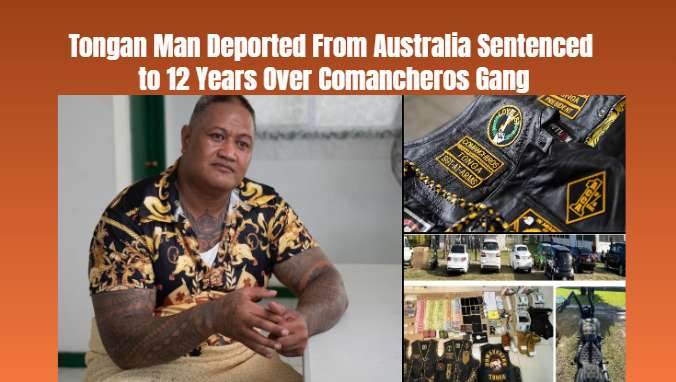
Eneasi Taumoefolau has received a 12-year prison sentence in Tonga for attempting to establish a local chapter of the Comancheros outlaw motorcycle gang...
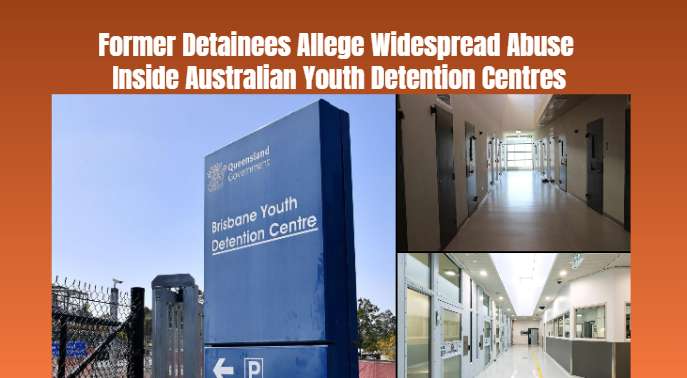
Former youth detainees across Australia have come forward with allegations of sexual abuse, physical assaults and inappropriate strip-searches in custod...
A partnership is helping aged care employees access women’s health information in their preferred languages, with reported improvements in confidence ar...
The ASX is maintaining a lower dividend payout and increasing spending on technology as it works to strengthen the reliability of Australia's financial...
The new driverless metro service will connect Bankstown and Sydney’s south-western suburbs directly with the CBD and the north-west, ending more than tw...
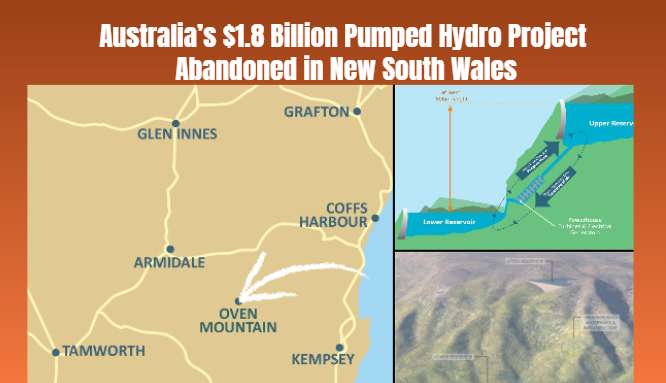
Alinta Energy has withdrawn plans for a major renewable energy storage project, citing financial pressures, construction challenges and transmission-lin...