Former Detainees Allege Widespread Abuse Inside Australian Youth Detention Centres
By Chloe · Published 22 Oct 2026 · Updated 22 Oct 2026
National, ACT
Safety note: Admin approval is an initial review, not a guarantee that every detail is correct. Check important or urgent claims with official sources and report anything inaccurate or unsafe.
Source and credit: Contributor's own report
Former Detainees Allege Widespread Abuse Inside Australian Youth Detention Centres - National, ACT
Smart summary
Former youth detainees across Australia have come forward with allegations of sexual abuse, physical assaults and inappropriate strip-searches in custody, prompting renewed scrutiny of how authorities protect children...
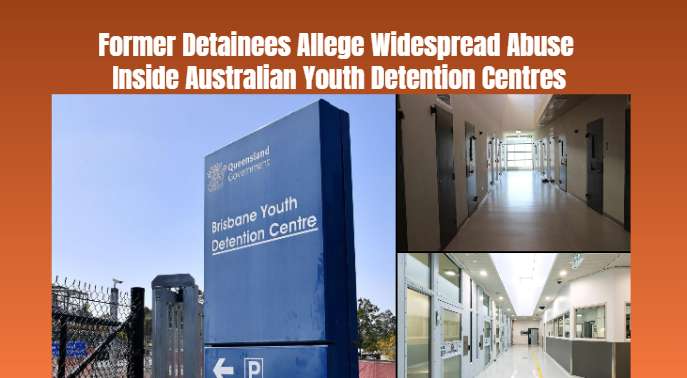
Former detainees have alleged that children experienced sexual abuse, physical violence and mistreatment inside Australian youth detention centres, raising serious questions about the safeguards intended to protect young people in state custody.
An investigation published by The Guardian on 22 October examined accounts from former detainees, lawyers, advocates and professionals who have worked with survivors. The reporting followed five months of interviews and documented allegations spanning several decades and different Australian jurisdictions.
Some former detainees described invasive strip-searches, isolation inside cells and alleged assaults during routine movements within detention facilities. Others said they were ignored or disbelieved when they attempted to report abuse. These accounts describe environments where children were dependent on custodial staff for their safety, supervision and access to support.
Psychiatrist Sivasankaran Balaratnasingam, who has spoken with up to 200 survivors of institutional child sexual assault over five years, said reports were continuing to emerge as more people found the confidence to discuss their experiences. Survivors have described the lasting effects of alleged abuse, including psychological distress, substance-use problems and difficulties rebuilding their lives after leaving detention.
The allegations are not confined to one institution. In Tasmania, a 2023 inquiry into the state's only youth detention centre found evidence of widespread sexual abuse and rape of incarcerated boys. In South Australia, a 2008 inquiry heard from hundreds of people who reported sexual abuse while in state care. The Northern Territory's royal commission into the protection and detention of children also heard evidence concerning strip-searches and alleged inappropriate conduct towards female detainees.
Legal action is continuing in Victoria, where former detainees have brought a class action alleging physical and sexual abuse at Melbourne's Parkville youth justice centre. The allegations span approximately five decades, with some claims relating to events as recently as 2023. The claims include alleged assaults by staff members and other detainees, as well as allegations involving forced isolation and unlawful strip-searches.
Advocates say pursuing justice can be difficult for survivors. Legal proceedings may require people to revisit traumatic experiences, provide detailed statements and face lengthy disputes with government authorities. These obstacles can discourage some survivors from continuing their cases.
The investigation also highlighted the disproportionate representation of Aboriginal and Torres Strait Islander children in youth detention. According to figures cited in the reporting, Indigenous children aged 10 to 17 were 21 times more likely to be in youth detention than non-Indigenous children of the same age, based on 2025 figures. Advocates argue that stronger oversight and effective reporting systems are particularly important for children who may have limited family support while in custody.
Support organisations working with survivors have also raised concerns about the long-term consequences of alleged abuse. Some former detainees reportedly continue to experience trauma into adulthood, while others face difficulties accessing compensation or obtaining meaningful accountability.
The allegations described in the investigation have not all been tested in court, and individual claims require proper examination through legal and independent oversight processes. However, the number and geographic spread of accounts have renewed calls for stronger safeguards, independent complaints mechanisms and better support for children in detention.
The issue raises significant questions about the duty of care owed by governments and detention operators to children whose freedom and ability to protect themselves are restricted. Ensuring safe facilities, investigating complaints thoroughly and protecting people who report abuse remain central to preventing further harm.
DetentionAbuseChildrenDetaineesAlleged
Former detainees have alleged that children experienced sexual abuse, physical violence and mistreatment inside Australian youth detention centres, raising serious questions about the safeguards intended to protect young people in state custody.
An investigation published by The Guardian on 22 October examined accounts from former detainees, lawyers, advocates and professionals who have worked with survivors. The reporting followed five months of interviews and documented allegations spanning several decades and different Australian jurisdictions.
Some former detainees described invasive strip-searches, isolation inside cells and alleged assaults during routine movements within detention facilities. Others said they were ignored or disbelieved when they attempted to report abuse. These accounts describe environments where children were dependent on custodial staff for their safety, supervision and access to support.
Psychiatrist Sivasankaran Balaratnasingam, who has spoken with up to 200 survivors of institutional child sexual assault over five years, said reports were continuing to emerge as more people found the confidence to discuss their experiences. Survivors have described the lasting effects of alleged abuse, including psychological distress, substance-use problems and difficulties rebuilding their lives after leaving detention.
The allegations are not confined to one institution. In Tasmania, a 2023 inquiry into the state's only youth detention centre found evidence of widespread sexual abuse and rape of incarcerated boys. In South Australia, a 2008 inquiry heard from hundreds of people who reported sexual abuse while in state care. The Northern Territory's royal commission into the protection and detention of children also heard evidence concerning strip-searches and alleged inappropriate conduct towards female detainees.
Legal action is continuing in Victoria, where former detainees have brought a class action alleging physical and sexual abuse at Melbourne's Parkville youth justice centre. The allegations span approximately five decades, with some claims relating to events as recently as 2023. The claims include alleged assaults by staff members and other detainees, as well as allegations involving forced isolation and unlawful strip-searches.
Advocates say pursuing justice can be difficult for survivors. Legal proceedings may require people to revisit traumatic experiences, provide detailed statements and face lengthy disputes with government authorities. These obstacles can discourage some survivors from continuing their cases.
The investigation also highlighted the disproportionate representation of Aboriginal and Torres Strait Islander children in youth detention. According to figures cited in the reporting, Indigenous children aged 10 to 17 were 21 times more likely to be in youth detention than non-Indigenous children of the same age, based on 2025 figures. Advocates argue that stronger oversight and effective reporting systems are particularly important for children who may have limited family support while in custody.
Support organisations working with survivors have also raised concerns about the long-term consequences of alleged abuse. Some former detainees reportedly continue to experience trauma into adulthood, while others face difficulties accessing compensation or obtaining meaningful accountability.
The allegations described in the investigation have not all been tested in court, and individual claims require proper examination through legal and independent oversight processes. However, the number and geographic spread of accounts have renewed calls for stronger safeguards, independent complaints mechanisms and better support for children in detention.
The issue raises significant questions about the duty of care owed by governments and detention operators to children whose freedom and ability to protect themselves are restricted. Ensuring safe facilities, investigating complaints thoroughly and protecting people who report abuse remain central to preventing further harm.
A former out-of-home care manager has pleaded not guilty to 30 charges, including alleged sexual assaults and choking offences involving five women over...
Two Colombian police departments say they have no record of operational cooperation with Australia's newly announced anti-drug taskforce, raising questi...
Victorian police are searching for the driver of a white semi-trailer truck after a motorcyclist was found dead on the Maroondah Highway near Yarck. Inv...
Eneasi Taumoefolau has received a 12-year prison sentence in Tonga for attempting to establish a local chapter of the Comancheros outlaw motorcycle gang...
A partnership is helping aged care employees access women’s health information in their preferred languages, with reported improvements in confidence ar...
The ASX is maintaining a lower dividend payout and increasing spending on technology as it works to strengthen the reliability of Australia's financial...
The new driverless metro service will connect Bankstown and Sydney’s south-western suburbs directly with the CBD and the north-west, ending more than tw...
Alinta Energy has withdrawn plans for a major renewable energy storage project, citing financial pressures, construction challenges and transmission-lin...