Safety note: Admin approval is an initial review, not a guarantee that every detail is correct. Check important or urgent claims with official sources and report anything inaccurate or unsafe.
Source and credit: Contributor's own report
Community Concern Raised Over Damaged Public Toilet Facility - Shepparton, Victoria
Smart summary
Residents have voiced concerns after damage to a public toilet facility was discovered, prompting calls for repairs and highlighting the importance of maintaining community infrastructure.
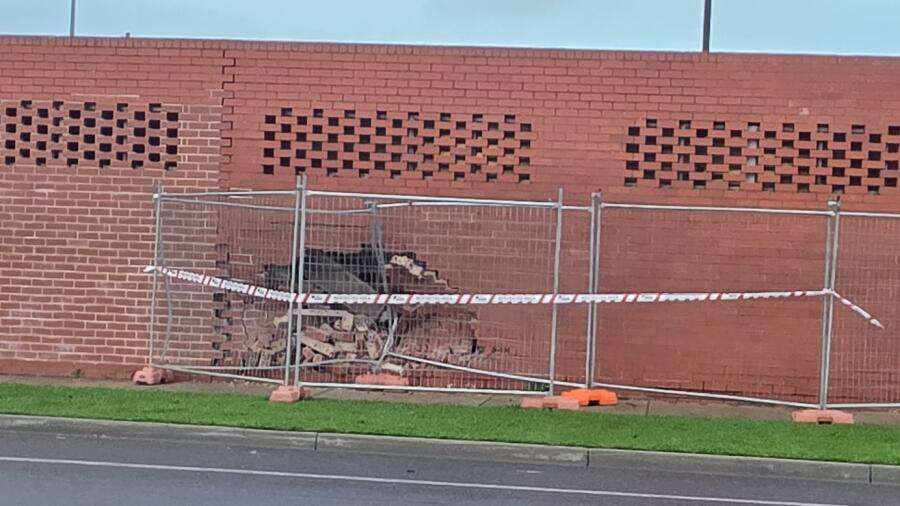
A damaged public toilet facility has become the focus of community concern after residents noticed a significant hole in part of the structure, raising questions about maintenance, public safety and the condition of local infrastructure.
The issue was highlighted in the Shepparton News, drawing attention to the importance of keeping public amenities safe, functional and accessible for residents and visitors. Public toilets are among the most frequently used pieces of community infrastructure and play a vital role in supporting parks, recreational areas and public spaces.
Residents who observed the damage expressed concerns about both safety and usability. Depending on the extent of the deterioration, damaged facilities can create hazards for users and reduce access to essential public amenities.
Local governments across Australia are responsible for maintaining a wide range of community assets, including public toilets, playgrounds, sporting facilities, footpaths and public buildings. Routine inspections and maintenance programs are designed to identify issues before they become serious, although unexpected damage can still occur.
Community members often play an important role by reporting maintenance concerns when they are identified. Councils typically rely on public feedback alongside scheduled inspections to ensure facilities remain in good condition.
The incident has sparked discussion about the ongoing costs associated with maintaining public infrastructure. Councils must balance limited budgets across numerous assets while ensuring that essential services remain available to the community.
Public toilets are particularly important in regional communities because they support tourism, community events and day-to-day activities. Visitors travelling through regional areas often rely on these facilities, making their upkeep an important component of local amenity and visitor experience.
While the specific cause of the damage has not been publicly confirmed, infrastructure can be affected by factors including age, weather, accidental damage or vandalism. Repairs are generally prioritised when there is a potential impact on public safety or accessibility.
Residents have expressed hope that the issue will be addressed promptly to prevent further deterioration and ensure the facility remains available for public use. Community groups frequently advocate for timely repairs to maintain the quality of local public spaces.
The situation serves as a reminder of the importance of ongoing investment in community infrastructure. Well-maintained public facilities contribute to community wellbeing, accessibility and the overall appearance of towns and cities.
Local authorities are expected to assess the damage and determine any repair work required to restore the facility to a safe and functional condition.
CommunityDamageFacilitiesInfrastructureFacility
A damaged public toilet facility has become the focus of community concern after residents noticed a significant hole in part of the structure, raising questions about maintenance, public safety and the condition of local infrastructure.
The issue was highlighted in the Shepparton News, drawing attention to the importance of keeping public amenities safe, functional and accessible for residents and visitors. Public toilets are among the most frequently used pieces of community infrastructure and play a vital role in supporting parks, recreational areas and public spaces.
Residents who observed the damage expressed concerns about both safety and usability. Depending on the extent of the deterioration, damaged facilities can create hazards for users and reduce access to essential public amenities.
Local governments across Australia are responsible for maintaining a wide range of community assets, including public toilets, playgrounds, sporting facilities, footpaths and public buildings. Routine inspections and maintenance programs are designed to identify issues before they become serious, although unexpected damage can still occur.
Community members often play an important role by reporting maintenance concerns when they are identified. Councils typically rely on public feedback alongside scheduled inspections to ensure facilities remain in good condition.
The incident has sparked discussion about the ongoing costs associated with maintaining public infrastructure. Councils must balance limited budgets across numerous assets while ensuring that essential services remain available to the community.
Public toilets are particularly important in regional communities because they support tourism, community events and day-to-day activities. Visitors travelling through regional areas often rely on these facilities, making their upkeep an important component of local amenity and visitor experience.
While the specific cause of the damage has not been publicly confirmed, infrastructure can be affected by factors including age, weather, accidental damage or vandalism. Repairs are generally prioritised when there is a potential impact on public safety or accessibility.
Residents have expressed hope that the issue will be addressed promptly to prevent further deterioration and ensure the facility remains available for public use. Community groups frequently advocate for timely repairs to maintain the quality of local public spaces.
The situation serves as a reminder of the importance of ongoing investment in community infrastructure. Well-maintained public facilities contribute to community wellbeing, accessibility and the overall appearance of towns and cities.
Local authorities are expected to assess the damage and determine any repair work required to restore the facility to a safe and functional condition.
An automated external defibrillator and memorial plaque have been installed at Ellery Creek Big Hole following the death of disability advocate Ellen Fr...
Bathurst New South Wales · Community News · 17 Sep 2026
Kerry “Pecky” Peck, a long-standing Bathurst radio personality, has been inducted into the Bathurst Business Hall of Fame in recognition of his extensive contribution to the loc...
A new specialist family-violence support model has been introduced in Ballarat, with dedicated workers now embedded alongside Victoria Police to help people experiencing family...
Orange New South Wales · Community News · 17 Sep 2026
Orange City Council has elected a new Deputy Mayor for the next two years, with the decision announced today, 17 September 2026. The council said the election took place during...
New workplace data shows staff absenteeism jumped sharply during the historic MCG NFL event, while Melbourne businesses also benefited from a major spen...
Cairns Regional Council has unanimously voted to seek $400,000 in Queensland Government funding for a program designed to connect local businesses with the region’s growing film...
An automated external defibrillator and memorial plaque have been installed at Ellery Creek Big Hole following the death of disability advocate Ellen Fr...
Queensland firefighters spent several hours monitoring a significant grass fire at Mary Kinross Park in Bargara, near Bundaberg, after the blaze broke out on Wednesday evening....