Safety note: Admin approval is an initial review, not a guarantee that every detail is correct. Check important or urgent claims with official sources and report anything inaccurate or unsafe.
Source and credit: Contributor's own report
Smart summary
Supporters of a proposed Griffith-based Local Health District say parliamentary debate shows their concerns are being taken seriously, despite a committee recommending against the split.
Community leaders in Griffith are continuing their campaign for the creation of a separate Local Health District (LHD), arguing that regional communities deserve greater local control over healthcare services despite a parliamentary committee recommending against the proposal.
Advocate Mr Catanzariti said the issue would not have reached the stage of parliamentary debate if there were no genuine concerns about the current health administration.
"Let's be honest, they would not be debating it if there were no concerns," Mr Catanzariti said.
He argued that the committee's inquiry itself demonstrated the seriousness of community concerns.
"If the committee came to Griffith, went through all that inquiry, and thought it was a waste of time, there would be no debate. At the end of the day, these recommendations are real."
The proposal seeks to separate Griffith and surrounding communities from the Murrumbidgee Local Health District, creating an independent health district responsible for managing hospitals, community health services and regional healthcare planning.
Supporters believe a locally managed health district would provide faster decision-making, improve accountability and ensure funding is directed toward the specific needs of communities in the Riverina. They argue that Griffith's growing population and regional importance justify greater autonomy in managing healthcare services.
However, a report by the NSW Legislative Assembly Committee recommended against establishing a new health district.
Committee chair Clayton Barr MP said creating a separate administrative structure would place a significant financial burden on the health system. According to the report, a new independent district would require approximately $26 million each year in ongoing operating costs, while at least $13 million would be needed to duplicate existing administrative services.
The committee concluded that those funds would be better invested directly into frontline healthcare, including doctors, nurses, medical equipment and patient services, rather than creating additional bureaucracy.
Mr Catanzariti has strongly disputed those cost estimates, arguing they are unreliable.
He said the projected figures appeared to have been "plucked out of the air", suggesting there was insufficient evidence to support the committee's financial modelling.
Health advocates backing the proposal say local governance could improve service delivery by allowing decisions to be made closer to the communities affected. They also argue regional patients often face challenges accessing specialist services, lengthy travel distances and workforce shortages that require locally focused solutions.
Opponents, however, believe maintaining the existing health district allows resources to be shared more efficiently across multiple regional hospitals while avoiding unnecessary administrative duplication.
The debate reflects broader discussions across regional New South Wales about healthcare accessibility, hospital funding and how best to manage services outside metropolitan areas.
Although the parliamentary committee has recommended against establishing a separate Griffith Local Health District, campaigners say they will continue advocating for reforms that they believe will strengthen regional healthcare and improve outcomes for local patients.
HealthDistrictCommitteeWouldRegional
Community leaders in Griffith are continuing their campaign for the creation of a separate Local Health District (LHD), arguing that regional communities deserve greater local control over healthcare services despite a parliamentary committee recommending against the proposal.
Advocate Mr Catanzariti said the issue would not have reached the stage of parliamentary debate if there were no genuine concerns about the current health administration.
"Let's be honest, they would not be debating it if there were no concerns," Mr Catanzariti said.
He argued that the committee's inquiry itself demonstrated the seriousness of community concerns.
"If the committee came to Griffith, went through all that inquiry, and thought it was a waste of time, there would be no debate. At the end of the day, these recommendations are real."
The proposal seeks to separate Griffith and surrounding communities from the Murrumbidgee Local Health District, creating an independent health district responsible for managing hospitals, community health services and regional healthcare planning.
Supporters believe a locally managed health district would provide faster decision-making, improve accountability and ensure funding is directed toward the specific needs of communities in the Riverina. They argue that Griffith's growing population and regional importance justify greater autonomy in managing healthcare services.
However, a report by the NSW Legislative Assembly Committee recommended against establishing a new health district.
Committee chair Clayton Barr MP said creating a separate administrative structure would place a significant financial burden on the health system. According to the report, a new independent district would require approximately $26 million each year in ongoing operating costs, while at least $13 million would be needed to duplicate existing administrative services.
The committee concluded that those funds would be better invested directly into frontline healthcare, including doctors, nurses, medical equipment and patient services, rather than creating additional bureaucracy.
Mr Catanzariti has strongly disputed those cost estimates, arguing they are unreliable.
He said the projected figures appeared to have been "plucked out of the air", suggesting there was insufficient evidence to support the committee's financial modelling.
Health advocates backing the proposal say local governance could improve service delivery by allowing decisions to be made closer to the communities affected. They also argue regional patients often face challenges accessing specialist services, lengthy travel distances and workforce shortages that require locally focused solutions.
Opponents, however, believe maintaining the existing health district allows resources to be shared more efficiently across multiple regional hospitals while avoiding unnecessary administrative duplication.
The debate reflects broader discussions across regional New South Wales about healthcare accessibility, hospital funding and how best to manage services outside metropolitan areas.
Although the parliamentary committee has recommended against establishing a separate Griffith Local Health District, campaigners say they will continue advocating for reforms that they believe will strengthen regional healthcare and improve outcomes for local patients.
New funding from local charity Wishlist is improving communication support for patients at Bundaberg Hospital, with resources designed to help people communicate more effectivel...
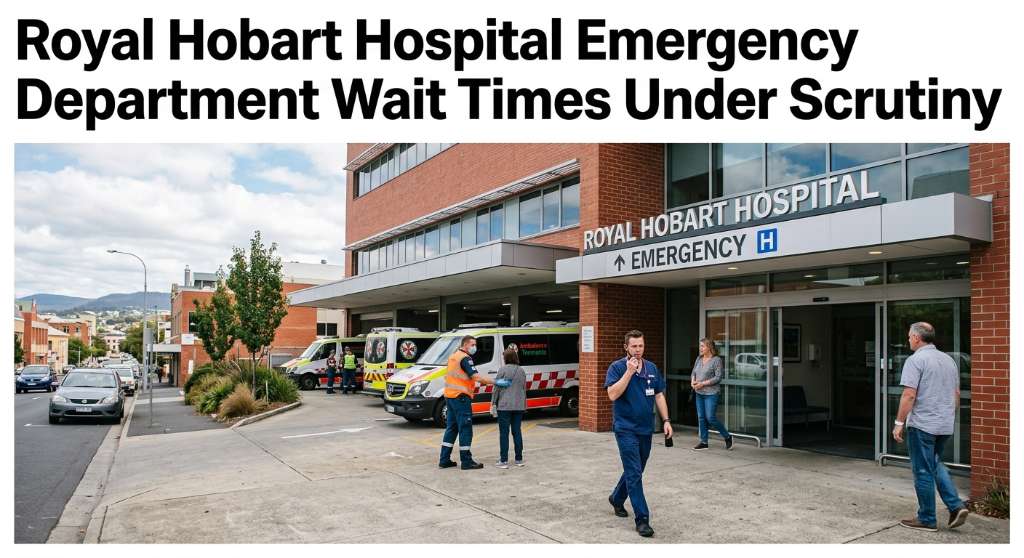
New figures have renewed concerns about emergency department delays at Royal Hobart Hospital, with the health system facing questions over patient waiti...
Central Coast New South Wales · Health News · 10 Sep 2026
The design for new Key Health Worker Accommodation at Wyong has been released today, with the project aimed at helping address the need for suitable accommodation for healthcare...
A 36-year-old man has been charged after investigators allegedly found fraudulent identification documents, cloned number plates, cash and drug-manufact...
A Sydney court has heard that a man sent 249 messages to a former partner within 24 hours, with the messages treated as a single alleged breach of an ap...
A high-profile athlete has returned to court and told the hearing that an alleged unwanted kiss by former broadcaster Alan Jones remained difficult to f...
Work on the $150 million Sydney Town Hall Square project has been paused after the NSW Planning Minister referred the development for review by the Inde...
Cairns Regional Council has unanimously voted to seek $400,000 in Queensland Government funding for a program designed to connect local businesses with the region’s growing film...
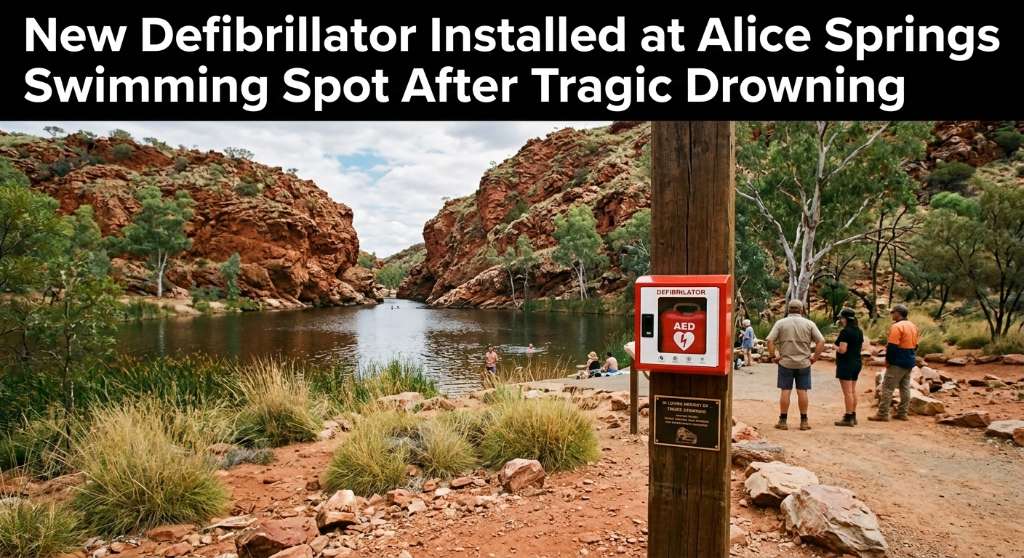
An automated external defibrillator and memorial plaque have been installed at Ellery Creek Big Hole following the death of disability advocate Ellen Fr...
Queensland firefighters spent several hours monitoring a significant grass fire at Mary Kinross Park in Bargara, near Bundaberg, after the blaze broke out on Wednesday evening....