Safety note: Admin approval is an initial review, not a guarantee that every detail is correct. Check important or urgent claims with official sources and report anything inaccurate or unsafe.
Source and credit: Contributor's own report
Growing Calls for Caravan Living Rule Changes as Housing Crisis Deepens
Smart summary
Growing pressure is being placed on local councils across Australia to relax regulations surrounding caravan living as housing affordability challenges continue to affect thousands of households. The debate has gained...
Growing pressure is being placed on local councils across Australia to relax regulations surrounding caravan living as housing affordability challenges continue to affect thousands of households. The debate has gained momentum in Queensland, where Toowoomba resident Georgie Irwin is leading a campaign calling for greater flexibility in rules governing the use of caravans as temporary accommodation on private property. Supporters argue that people experiencing housing stress should not face fines or enforcement action when using caravans as a short-term solution during periods of financial hardship.
The campaign comes amid ongoing cost-of-living pressures and a nationwide housing shortage that has made it increasingly difficult for many Australians to secure affordable rental properties. Rising rents, low vacancy rates and limited housing availability have contributed to growing concerns about housing insecurity in both metropolitan and regional communities.
Advocates say allowing temporary caravan living could provide an important safety net for individuals and families who are unable to access conventional housing. They argue that such arrangements can offer immediate shelter while people search for permanent accommodation or recover from financial setbacks. Public support for the proposal appears strong. A recent poll of thousands of respondents found a significant majority favoured councils taking a more lenient approach toward people living in caravans on private land during times of hardship. Supporters believe local governments should recognise the extraordinary pressures many households currently face.
However, councils caution that the issue is more complex than simply changing local laws. Authorities must consider planning regulations, building standards, health requirements, sanitation arrangements and neighbourhood amenity concerns when determining whether caravan living should be permitted on a broader scale. A spokesperson for the Toowoomba Regional Council acknowledged community interest in alternative housing solutions but noted that any policy changes would need to carefully balance housing needs with safety and regulatory obligations. Local governments across Australia face similar challenges as they attempt to respond to increasing demand for affordable accommodation.
For Georgie Irwin, the campaign has personal significance. She has experienced difficulties securing suitable housing while dealing with ongoing health issues following a serious leg injury. Her experience reflects broader concerns that many vulnerable Australians face when unexpected medical, financial or personal circumstances affect their ability to maintain stable housing.
Housing advocates argue that temporary caravan accommodation should be viewed as a practical and compassionate response to an unprecedented housing shortage. They contend that regulations designed for normal housing conditions may not adequately address the realities of today's housing market.
Critics of widespread caravan living caution that long-term reliance on temporary accommodation could create additional challenges if adequate services, infrastructure and oversight are not in place. Some experts argue that caravan arrangements should complement, rather than replace, efforts to increase housing supply and improve affordability. The debate highlights the difficult choices facing policymakers as Australia's housing crisis continues.
While governments pursue longer-term solutions such as new housing developments and planning reforms, communities are increasingly exploring alternative options to help those struggling to find a place to live.
As support for the campaign grows, councils and state governments may face increasing pressure to review existing regulations. For many Australians experiencing housing stress, the outcome could determine whether caravans become a more widely accepted temporary housing solution during one of the nation's most challenging housing periods.
HousingCaravanLivingAccommodationFace
Growing pressure is being placed on local councils across Australia to relax regulations surrounding caravan living as housing affordability challenges continue to affect thousands of households. The debate has gained momentum in Queensland, where Toowoomba resident Georgie Irwin is leading a campaign calling for greater flexibility in rules governing the use of caravans as temporary accommodation on private property. Supporters argue that people experiencing housing stress should not face fines or enforcement action when using caravans as a short-term solution during periods of financial hardship.
The campaign comes amid ongoing cost-of-living pressures and a nationwide housing shortage that has made it increasingly difficult for many Australians to secure affordable rental properties. Rising rents, low vacancy rates and limited housing availability have contributed to growing concerns about housing insecurity in both metropolitan and regional communities.
Advocates say allowing temporary caravan living could provide an important safety net for individuals and families who are unable to access conventional housing. They argue that such arrangements can offer immediate shelter while people search for permanent accommodation or recover from financial setbacks. Public support for the proposal appears strong. A recent poll of thousands of respondents found a significant majority favoured councils taking a more lenient approach toward people living in caravans on private land during times of hardship. Supporters believe local governments should recognise the extraordinary pressures many households currently face.
However, councils caution that the issue is more complex than simply changing local laws. Authorities must consider planning regulations, building standards, health requirements, sanitation arrangements and neighbourhood amenity concerns when determining whether caravan living should be permitted on a broader scale. A spokesperson for the Toowoomba Regional Council acknowledged community interest in alternative housing solutions but noted that any policy changes would need to carefully balance housing needs with safety and regulatory obligations. Local governments across Australia face similar challenges as they attempt to respond to increasing demand for affordable accommodation.
For Georgie Irwin, the campaign has personal significance. She has experienced difficulties securing suitable housing while dealing with ongoing health issues following a serious leg injury. Her experience reflects broader concerns that many vulnerable Australians face when unexpected medical, financial or personal circumstances affect their ability to maintain stable housing.
Housing advocates argue that temporary caravan accommodation should be viewed as a practical and compassionate response to an unprecedented housing shortage. They contend that regulations designed for normal housing conditions may not adequately address the realities of today's housing market.
Critics of widespread caravan living caution that long-term reliance on temporary accommodation could create additional challenges if adequate services, infrastructure and oversight are not in place. Some experts argue that caravan arrangements should complement, rather than replace, efforts to increase housing supply and improve affordability. The debate highlights the difficult choices facing policymakers as Australia's housing crisis continues.
While governments pursue longer-term solutions such as new housing developments and planning reforms, communities are increasingly exploring alternative options to help those struggling to find a place to live.
As support for the campaign grows, councils and state governments may face increasing pressure to review existing regulations. For many Australians experiencing housing stress, the outcome could determine whether caravans become a more widely accepted temporary housing solution during one of the nation's most challenging housing periods.
More images from this report
Growing Calls for Caravan Living Rule Changes as Housing Crisis Deepens - image 2
Wagga Wagga New South Wales · Breaking News · 16 Sep 2026
Riverina Police have established a dedicated investigation, Strike Force Arctis, following a reported increase in serious property and violent offences across Wagga Wagga. The o...
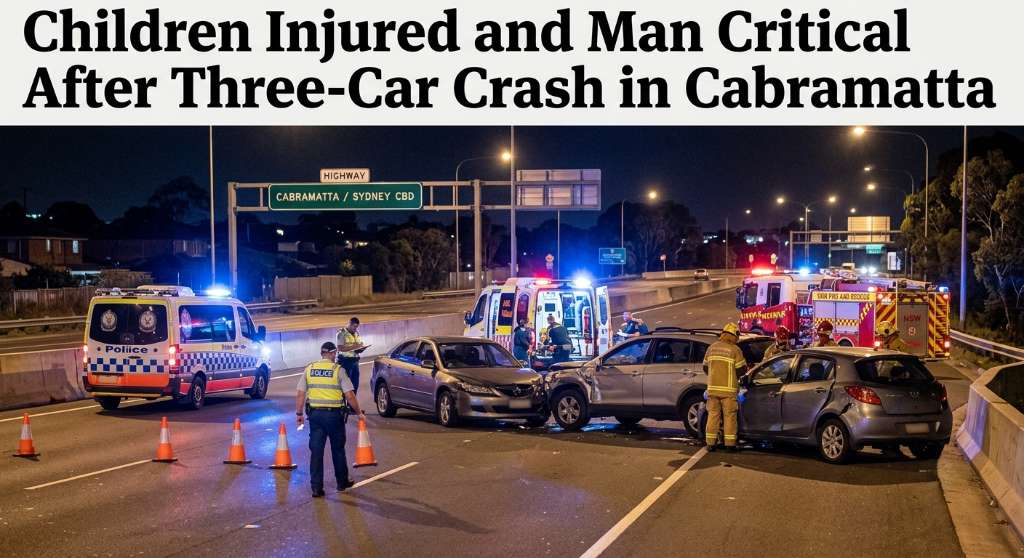
A serious late-night collision on the Hume Highway in Sydney’s south-west has left several people injured, including children, with one man in critical...
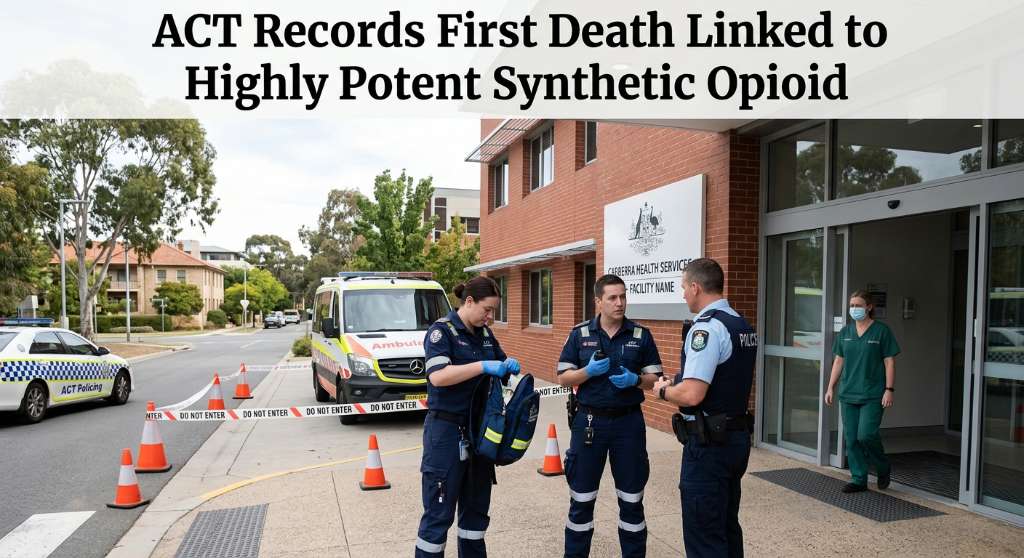
A Canberra woman has become the first person in the ACT whose death has been linked to a highly potent synthetic opioid, prompting renewed concern about...
Queensland's emerging football prospects are coming together for a three-day Brisbane Lions State Academy showcase, giving young players an opportunity...
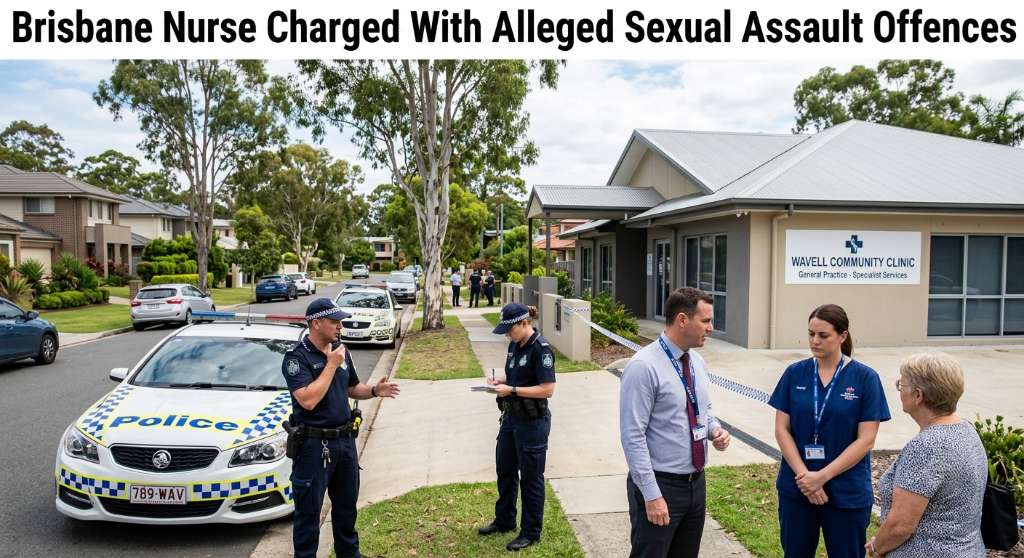
A Wavell Heights enrolled nurse has been charged with four counts of alleged sexual assault and one count of wilful exposure, with his professional regi...
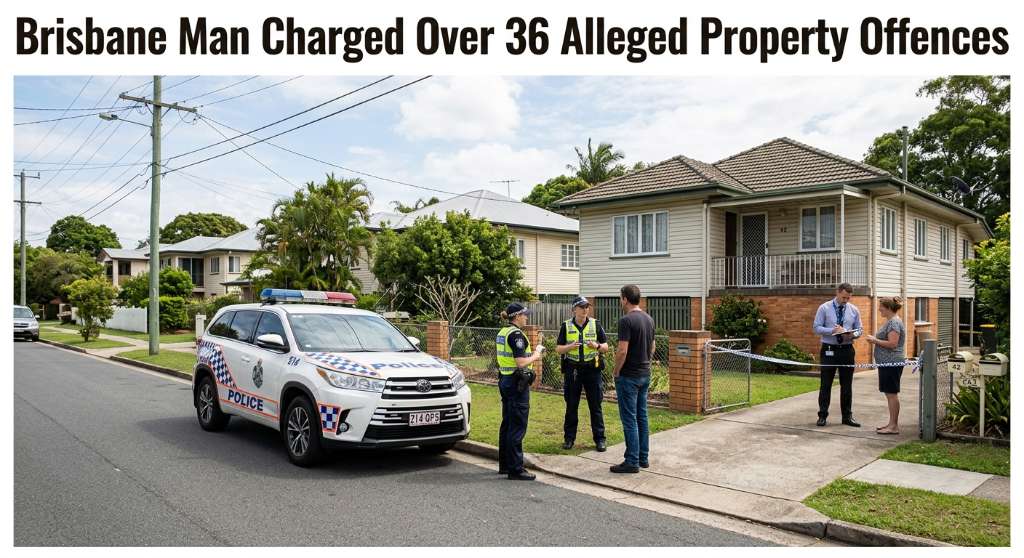
A 24-year-old Carina Heights man has been charged with 36 offences following an investigation into alleged break-ins, vehicle offences and other propert...
Cairns Regional Council has unanimously voted to seek $400,000 in Queensland Government funding for a program designed to connect local businesses with the region’s growing film...
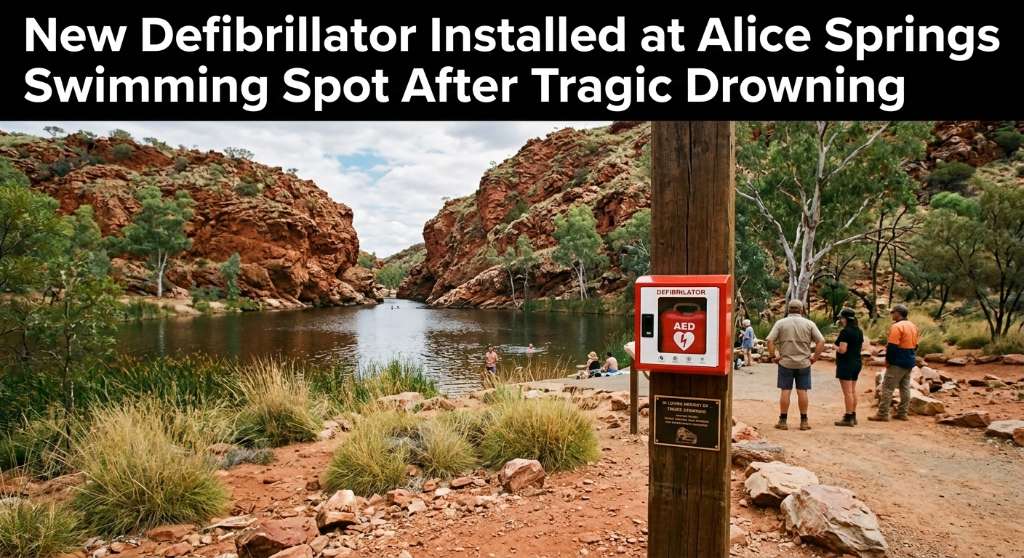
An automated external defibrillator and memorial plaque have been installed at Ellery Creek Big Hole following the death of disability advocate Ellen Fr...
Queensland firefighters spent several hours monitoring a significant grass fire at Mary Kinross Park in Bargara, near Bundaberg, after the blaze broke out on Wednesday evening....