Safety note: Admin approval is an initial review, not a guarantee that every detail is correct. Check important or urgent claims with official sources and report anything inaccurate or unsafe.
Source and credit: Contributor's own report
How changes to family trusts could impact Australian farmers - Orange, NSW
Smart summary
Tax reforms introduce a 30% minimum rate on trusts, raising concerns about farm succession and financial planning.
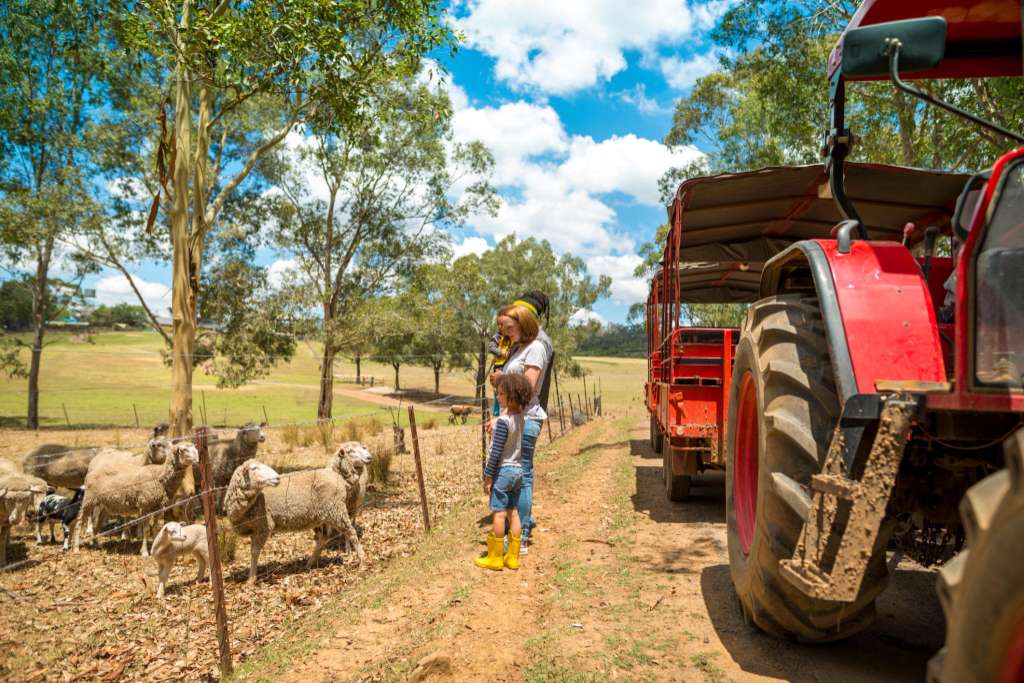
New tax reforms proposed by the Australian federal government are set to change how family trusts are taxed, raising concerns among farmers about long-term impacts on their businesses.
Family trusts are widely used in agriculture to protect assets, distribute income among family members, and ensure smooth succession across generations without heavy tax burdens. Around 40,000 farming trusts operate in Australia, highlighting their importance in the sector.
Under the proposed changes, a minimum 30% tax will be applied to discretionary trusts starting from July 1, 2028. While the government has provided an exemption for primary production income, concerns remain about the impact on farmers when selling their properties or restructuring assets.
National Farmers' Federation has expressed strong concern, warning that without exemptions, such policies could significantly disrupt family-owned farming businesses.
Farmers argue that while the reforms aim to improve tax fairness, they may unintentionally create financial strain, limit flexibility, and complicate succession planning for future generations.
FarmersTrustsFamilyAmongAssets
New tax reforms proposed by the Australian federal government are set to change how family trusts are taxed, raising concerns among farmers about long-term impacts on their businesses.
Family trusts are widely used in agriculture to protect assets, distribute income among family members, and ensure smooth succession across generations without heavy tax burdens. Around 40,000 farming trusts operate in Australia, highlighting their importance in the sector.
Under the proposed changes, a minimum 30% tax will be applied to discretionary trusts starting from July 1, 2028. While the government has provided an exemption for primary production income, concerns remain about the impact on farmers when selling their properties or restructuring assets.
National Farmers' Federation has expressed strong concern, warning that without exemptions, such policies could significantly disrupt family-owned farming businesses.
Farmers argue that while the reforms aim to improve tax fairness, they may unintentionally create financial strain, limit flexibility, and complicate succession planning for future generations.
More images from this report
How changes to family trusts could impact Australian farmers - image 2
Darwin Northern Territory · Other News · 01 Sep 2026
A scenic hike through Butterfly Gorge in the Northern Territory turned into a frightening experience when a buffalo charged at two hikers. ABC Darwin reported the story today, 1...
Coffs Harbour New South Wales · Other News · 01 Sep 2026
A Safe Work NSW inspection blitz across the Coffs Harbour region has uncovered dozens of workplace-safety issues in the horticulture industry. The operation followed concerns ab...
A major Queensland Government infrastructure investment is set to unlock thousands of new homes across the Fraser Coast, including projects in Maryborough.
A 36-year-old man has been charged after investigators allegedly found fraudulent identification documents, cloned number plates, cash and drug-manufact...
A Sydney court has heard that a man sent 249 messages to a former partner within 24 hours, with the messages treated as a single alleged breach of an ap...
A high-profile athlete has returned to court and told the hearing that an alleged unwanted kiss by former broadcaster Alan Jones remained difficult to f...
Work on the $150 million Sydney Town Hall Square project has been paused after the NSW Planning Minister referred the development for review by the Inde...
Cairns Regional Council has unanimously voted to seek $400,000 in Queensland Government funding for a program designed to connect local businesses with the region’s growing film...
An automated external defibrillator and memorial plaque have been installed at Ellery Creek Big Hole following the death of disability advocate Ellen Fr...
Queensland firefighters spent several hours monitoring a significant grass fire at Mary Kinross Park in Bargara, near Bundaberg, after the blaze broke out on Wednesday evening....