Safety note: Admin approval is an initial review, not a guarantee that every detail is correct. Check important or urgent claims with official sources and report anything inaccurate or unsafe.
Source and credit: Contributor's own report
Smart summary
Melbourne-based entrepreneur Yesha Patel founded After to tackle Australia’s growing textile waste problem by collecting and recycling unwanted clothing that can no longer be donated.
Yesha Patel’s journey into entrepreneurship began with a simple household problem that many people experience — a wardrobe full of clothes that were too damaged to donate but too valuable to simply throw away. After moving from New Zealand to Melbourne in 2019, Patel was clearing out her wardrobe when she discovered a pile of clothing that had reached the end of its usable life. The items were stained, torn and worn out, leaving her unsure about what to do with them.
When Patel searched for a place where she could responsibly dispose of these unwanted textiles, she found there were very few options available. This led her to investigate Australia’s textile waste problem and discover the enormous amount of clothing sent to landfill each year. Shocked by the scale of the issue, she decided to create a solution that could help households and businesses manage textile waste in a more sustainable way.
Patel founded After, a textile recycling company that collects end-of-life textiles from homes, businesses and organisations across Australia and New Zealand. The company focuses on giving unwanted clothing a second life by diverting textiles away from landfill and connecting them with recycling pathways.
The idea behind After reflects a growing global movement towards a circular economy, where products are reused, repaired or recycled instead of being discarded. The fashion industry is one of the largest contributors to waste worldwide, and textile recycling has become an important area for innovation as communities look for more sustainable solutions.
Through After, Patel aims to make textile recycling easier and more accessible for everyday Australians. The company works with individuals, retailers and businesses to collect unwanted fabrics and help transform waste materials into useful resources. By creating a simple collection process, After encourages people to think differently about clothing disposal and the environmental impact of their choices.
Patel’s work has also highlighted the contribution of Indian-Australian entrepreneurs to Victoria’s business community. Across industries including technology, sustainability, retail and services, Indian-Australian founders have created successful businesses while addressing important social and environmental challenges.
Her story demonstrates how personal experiences can inspire innovative business ideas. What started as frustration over a pile of unusable clothes became a mission to reduce textile waste and build a more sustainable future.
As awareness grows around environmental responsibility, businesses like After are helping change the way communities view unwanted clothing. Instead of seeing old garments as waste, the company promotes the idea that textiles can become valuable resources when collected and processed correctly.
Yesha Patel’s entrepreneurial journey shows how identifying a problem and creating a practical solution can lead to meaningful business impact. Her work continues to contribute to sustainability efforts across Australia and New Zealand while inspiring other entrepreneurs to build companies focused on solving real-world challenges.
PatelTextileWasteBusinessesClothing
Yesha Patel’s journey into entrepreneurship began with a simple household problem that many people experience — a wardrobe full of clothes that were too damaged to donate but too valuable to simply throw away. After moving from New Zealand to Melbourne in 2019, Patel was clearing out her wardrobe when she discovered a pile of clothing that had reached the end of its usable life. The items were stained, torn and worn out, leaving her unsure about what to do with them.
When Patel searched for a place where she could responsibly dispose of these unwanted textiles, she found there were very few options available. This led her to investigate Australia’s textile waste problem and discover the enormous amount of clothing sent to landfill each year. Shocked by the scale of the issue, she decided to create a solution that could help households and businesses manage textile waste in a more sustainable way.
Patel founded After, a textile recycling company that collects end-of-life textiles from homes, businesses and organisations across Australia and New Zealand. The company focuses on giving unwanted clothing a second life by diverting textiles away from landfill and connecting them with recycling pathways.
The idea behind After reflects a growing global movement towards a circular economy, where products are reused, repaired or recycled instead of being discarded. The fashion industry is one of the largest contributors to waste worldwide, and textile recycling has become an important area for innovation as communities look for more sustainable solutions.
Through After, Patel aims to make textile recycling easier and more accessible for everyday Australians. The company works with individuals, retailers and businesses to collect unwanted fabrics and help transform waste materials into useful resources. By creating a simple collection process, After encourages people to think differently about clothing disposal and the environmental impact of their choices.
Patel’s work has also highlighted the contribution of Indian-Australian entrepreneurs to Victoria’s business community. Across industries including technology, sustainability, retail and services, Indian-Australian founders have created successful businesses while addressing important social and environmental challenges.
Her story demonstrates how personal experiences can inspire innovative business ideas. What started as frustration over a pile of unusable clothes became a mission to reduce textile waste and build a more sustainable future.
As awareness grows around environmental responsibility, businesses like After are helping change the way communities view unwanted clothing. Instead of seeing old garments as waste, the company promotes the idea that textiles can become valuable resources when collected and processed correctly.
Yesha Patel’s entrepreneurial journey shows how identifying a problem and creating a practical solution can lead to meaningful business impact. Her work continues to contribute to sustainability efforts across Australia and New Zealand while inspiring other entrepreneurs to build companies focused on solving real-world challenges.
Australian property values have fallen for seven consecutive months, with the national median home value dropping approximately $63,400 since March as h...
Around 8,000 customers in Western Australia's coastal city of Albany will need to replace gas appliances with electric alternatives or switch to bottled...
Buyers from Sydney and Melbourne are purchasing homes in Alice Springs at a rapid pace, attracted by strong rental returns and limited housing availabil...
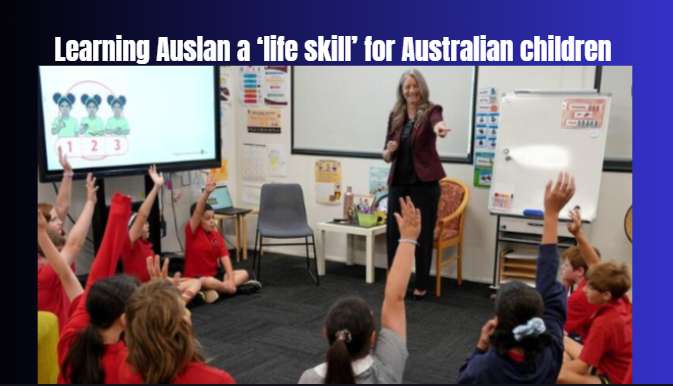
Growing awareness of Auslan is highlighting the importance of teaching children sign language and helping them communicate with people who are deaf or h...
Victorian Police have arrested eight people following an alleged group assault involving an off-duty police officer, prompting a criminal investigation.
A pay dispute involving specialist electricity-market workers has escalated, with Australia's energy operator warning that industrial action could creat...
Falling property activity and weaker stamp duty and land tax collections are expected to reduce Victoria's projected revenue by around $5 billion over t...
Police are investigating after a one-year-old child died following a house fire in Collie, while several other people inside the property escaped safely.
A psychiatric report presented to South Australia's Supreme Court has raised questions about Tamika Chesser's mental competence in the case involving th...
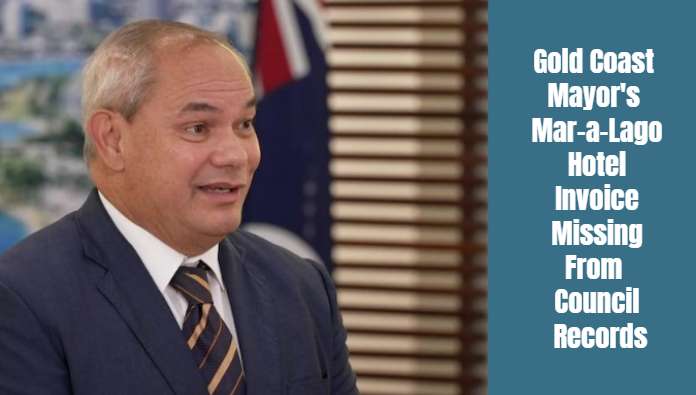
A freedom of information request has revealed that Gold Coast Council does not hold a copy of the invoice for Mayor Tom Tate's three-day stay at Donald...