Safety note: Admin approval is an initial review, not a guarantee that every detail is correct. Check important or urgent claims with official sources and report anything inaccurate or unsafe.
Source and credit: Contributor's own report
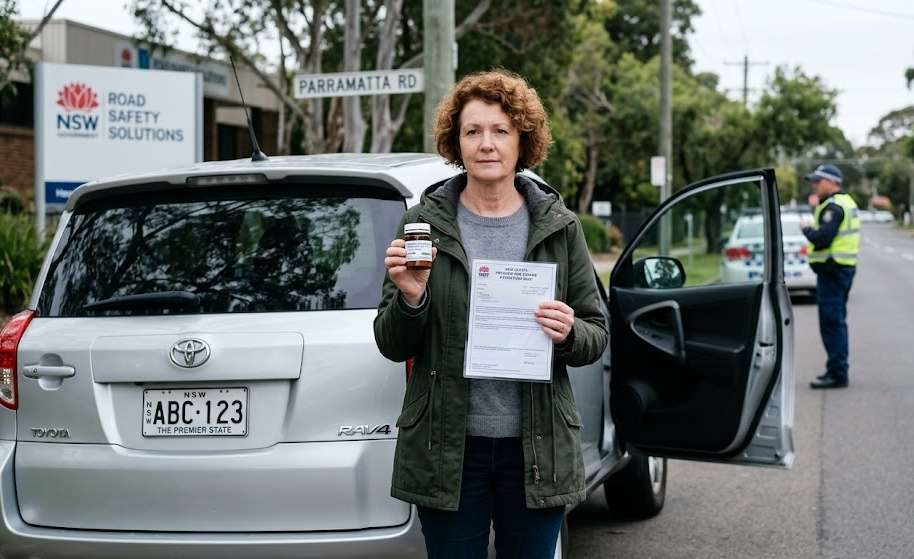
A generic road sign in New South Wales representing traffic and road safety.
Smart summary
The Minns Government is exploring a new THC threshold system for medicinal cannabis patients, potentially moving away from the state's current zero-tolerance roadside testing policy.
The New South Wales Government has announced plans for significant reforms to the state's drug-driving laws that could allow eligible medicinal cannabis patients to drive legally without facing automatic licence suspensions for the presence of THC in their system.
The proposal, unveiled by Chris Minns and the Minns Government, seeks to address growing concerns that existing laws unfairly penalise people who are legally prescribed medicinal cannabis for legitimate health conditions. The reforms are expected to be introduced to Parliament through new legislation in the coming months.
Under current NSW laws, motorists can face penalties if roadside drug tests detect THC, the psychoactive component of cannabis, regardless of whether they are impaired at the time of driving. Critics argue that THC can remain detectable in saliva and other bodily samples long after any impairing effects have worn off, creating challenges for medicinal cannabis patients who rely on prescribed treatment.
The proposed legislation would establish a new framework allowing fully licensed drivers with registered medicinal cannabis prescriptions to continue driving, provided their THC levels remain below a prescribed threshold. Drivers would be required to register their prescription details with Transport for NSW to be eligible under the scheme.
If a roadside drug test detects THC, drivers would still be subject to an immediate 24-hour driving prohibition while laboratory analysis is conducted. However, rather than facing automatic penalties, the final outcome would depend on the concentration of THC identified through laboratory testing.
According to the proposed model, motorists whose THC levels exceed the permitted threshold would receive warnings for the first and second incidents within a two-year period. A third breach during that timeframe would trigger a minimum three-month licence suspension and a fine of approximately $704.
Government figures indicate that around one million Australians currently use medicinal cannabis, with up to one-third residing in New South Wales. Supporters of the reforms argue that many patients have been forced to choose between managing serious medical conditions and maintaining their ability to drive.
Advocacy groups welcomed the announcement, describing it as a practical update to laws that have struggled to keep pace with developments in modern medicine. Medical and research experts have also pointed to studies suggesting that THC may remain detectable for extended periods even after impairment has ceased.
The reforms have received support from several politicians, including Alex Greenwich and regional independent MP Roy Butler, who argue the changes better reflect contemporary medical practice while maintaining road safety protections.
However, the proposal has also attracted criticism. Opposition Leader Kellie Sloane questioned whether sufficient scientific evidence exists to establish an appropriate THC threshold and warned against implementing changes before certainty is achieved regarding impairment levels.
The debate reflects a broader national discussion about balancing road safety with the rights of medicinal cannabis patients. Several Australian jurisdictions have faced increasing pressure to review laws that focus on the presence of THC rather than actual driver impairment.
If passed, the legislation would represent one of the most significant changes to NSW drug-driving laws in recent years. The government says the reforms are designed to provide a fairer and more practical approach for medicinal cannabis users while maintaining strong safeguards to protect all road users.
The proposed legislation will now be subject to parliamentary scrutiny and debate before any changes take effevt.
CannabisMedicinalLawsWouldGovernment
The New South Wales Government has announced plans for significant reforms to the state's drug-driving laws that could allow eligible medicinal cannabis patients to drive legally without facing automatic licence suspensions for the presence of THC in their system.
The proposal, unveiled by Chris Minns and the Minns Government, seeks to address growing concerns that existing laws unfairly penalise people who are legally prescribed medicinal cannabis for legitimate health conditions. The reforms are expected to be introduced to Parliament through new legislation in the coming months.
Under current NSW laws, motorists can face penalties if roadside drug tests detect THC, the psychoactive component of cannabis, regardless of whether they are impaired at the time of driving. Critics argue that THC can remain detectable in saliva and other bodily samples long after any impairing effects have worn off, creating challenges for medicinal cannabis patients who rely on prescribed treatment.
The proposed legislation would establish a new framework allowing fully licensed drivers with registered medicinal cannabis prescriptions to continue driving, provided their THC levels remain below a prescribed threshold. Drivers would be required to register their prescription details with Transport for NSW to be eligible under the scheme.
If a roadside drug test detects THC, drivers would still be subject to an immediate 24-hour driving prohibition while laboratory analysis is conducted. However, rather than facing automatic penalties, the final outcome would depend on the concentration of THC identified through laboratory testing.
According to the proposed model, motorists whose THC levels exceed the permitted threshold would receive warnings for the first and second incidents within a two-year period. A third breach during that timeframe would trigger a minimum three-month licence suspension and a fine of approximately $704.
Government figures indicate that around one million Australians currently use medicinal cannabis, with up to one-third residing in New South Wales. Supporters of the reforms argue that many patients have been forced to choose between managing serious medical conditions and maintaining their ability to drive.
Advocacy groups welcomed the announcement, describing it as a practical update to laws that have struggled to keep pace with developments in modern medicine. Medical and research experts have also pointed to studies suggesting that THC may remain detectable for extended periods even after impairment has ceased.
The reforms have received support from several politicians, including Alex Greenwich and regional independent MP Roy Butler, who argue the changes better reflect contemporary medical practice while maintaining road safety protections.
However, the proposal has also attracted criticism. Opposition Leader Kellie Sloane questioned whether sufficient scientific evidence exists to establish an appropriate THC threshold and warned against implementing changes before certainty is achieved regarding impairment levels.
The debate reflects a broader national discussion about balancing road safety with the rights of medicinal cannabis patients. Several Australian jurisdictions have faced increasing pressure to review laws that focus on the presence of THC rather than actual driver impairment.
If passed, the legislation would represent one of the most significant changes to NSW drug-driving laws in recent years. The government says the reforms are designed to provide a fairer and more practical approach for medicinal cannabis users while maintaining strong safeguards to protect all road users.
The proposed legislation will now be subject to parliamentary scrutiny and debate before any changes take effevt.
Queensland Police have charged a 24-year-old Coomera man following an alleged stolen-truck incident and hit-and-run crash across the northern Gold Coast. Police say the investig...
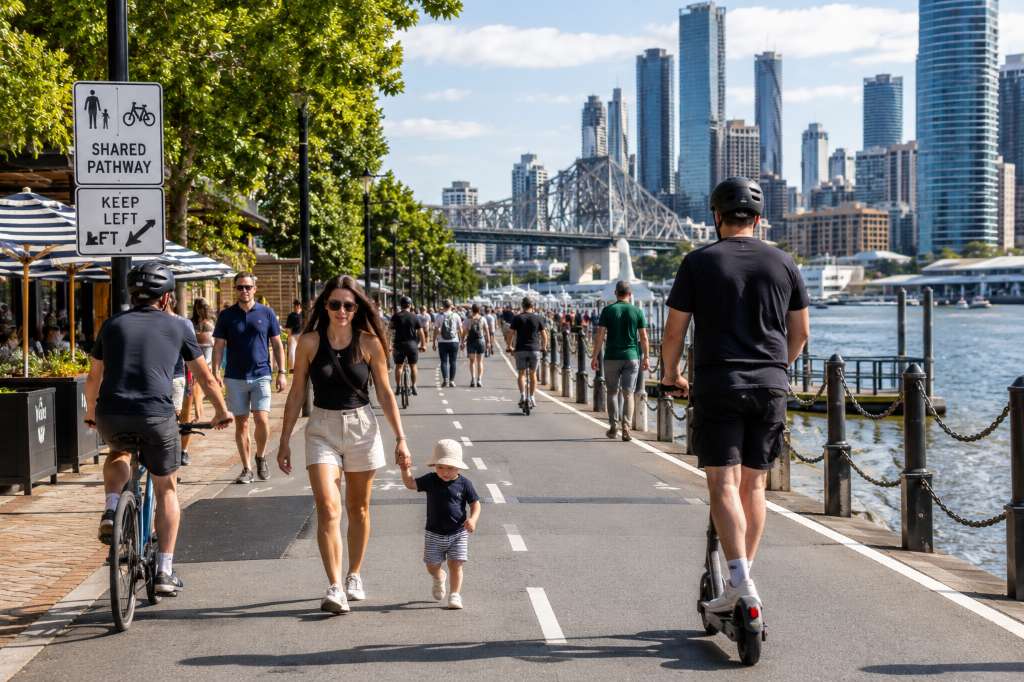
A dramatic close call at Brisbane's Howard Smith Wharves has reignited discussions about pedestrian safety, rider responsibility and the use of shared p...
From European-style villages and tropical rainforests to turquoise beaches and dramatic desert landscapes, these Australian locations offer internationa...
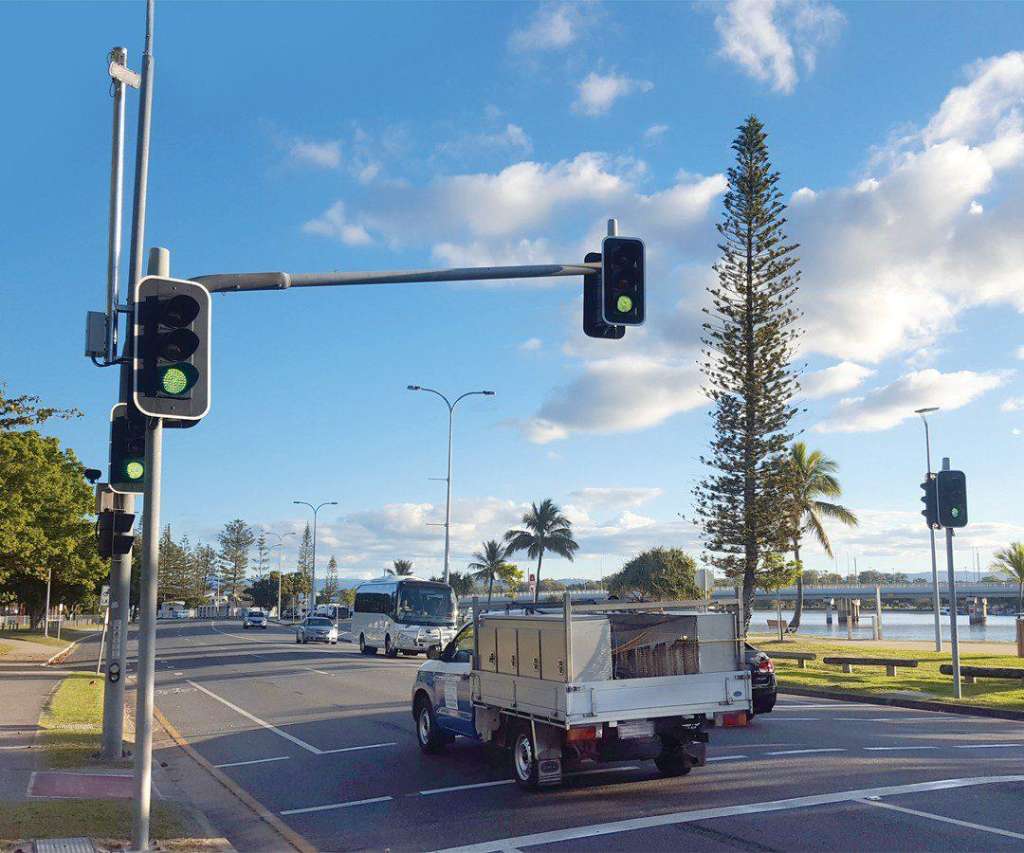
The City of Moreton Bay will launch Australia's first next-generation AI traffic light pilot in Petrie, using intelligent sensors and artificial intelli...
A 22-year-old man has been charged after a police pursuit involving an allegedly stolen Toyota utility near Moree in northern New South Wales. NSW Police published the update on...
Sydney New South Wales · General News · 15 Sep 2026
A tragic incident in Auburn, in Sydney’s west, has resulted in the death of a three-year-old girl after she was struck by a car in a residential driveway on Tuesday, September 1...
A 16-year-old boy is due to appear before a children’s court after being charged following an alleged brawl at a train station in Penrith, in Sydney’s west. The incident occurre...
A man in his 40s has been shot dead at the doorway of a home in Merrylands West, western Sydney, prompting a major police investigation. The shooting occurred on Wednesday after...
A 36-year-old man has been charged after investigators allegedly found fraudulent identification documents, cloned number plates, cash and drug-manufact...
A Sydney court has heard that a man sent 249 messages to a former partner within 24 hours, with the messages treated as a single alleged breach of an ap...
A high-profile athlete has returned to court and told the hearing that an alleged unwanted kiss by former broadcaster Alan Jones remained difficult to f...
Work on the $150 million Sydney Town Hall Square project has been paused after the NSW Planning Minister referred the development for review by the Inde...
Cairns Regional Council has unanimously voted to seek $400,000 in Queensland Government funding for a program designed to connect local businesses with the region’s growing film...
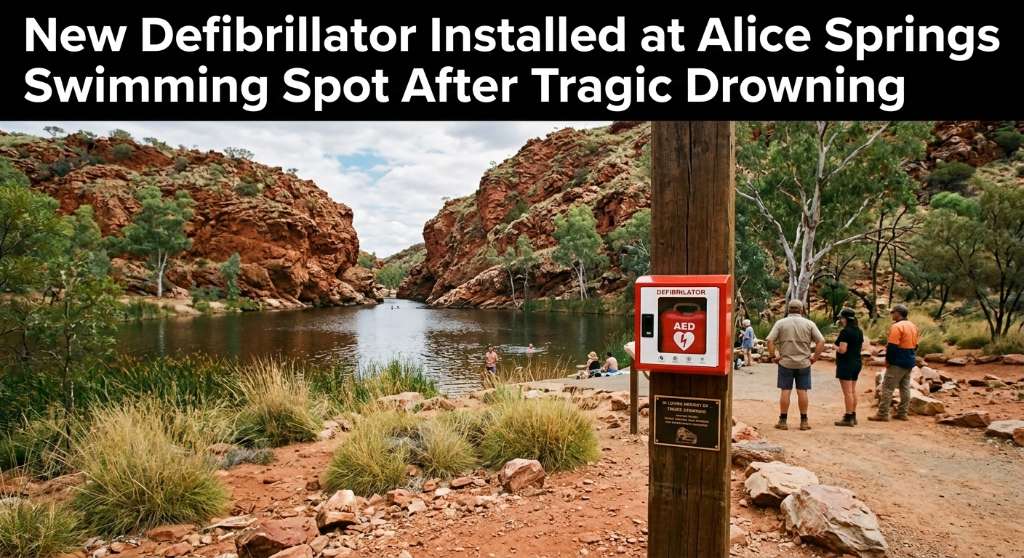
An automated external defibrillator and memorial plaque have been installed at Ellery Creek Big Hole following the death of disability advocate Ellen Fr...
Queensland firefighters spent several hours monitoring a significant grass fire at Mary Kinross Park in Bargara, near Bundaberg, after the blaze broke out on Wednesday evening....