One in Four Australian Workers Underpaid Superannuation as Billions Remain Unrecovered
By Chloe · Published 22 Oct 2026 · Updated 22 Oct 2026
Brisbane, QLD · Queensland News
Safety note: Admin approval is an initial review, not a guarantee that every detail is correct. Check important or urgent claims with official sources and report anything inaccurate or unsafe.
Source and credit: Contributor's own report
One in Four Australian Workers Underpaid Superannuation as Billions Remain Unrecovered - Brisbane, QLD
Smart summary
Australian workers and industry representatives are calling for stronger action by the Australian Taxation Office after new reporting highlighted that about one in four workers are underpaid superannuation, while only...
Thousands of Australian workers may be missing out on retirement savings because their employers have not paid the full superannuation contributions they are legally entitled to receive. A report published by ABC News on Thursday, 22 October 2026, has renewed scrutiny of the Australian Taxation Office’s efforts to recover unpaid superannuation.
The report cited estimates that approximately one in four Australian workers are underpaid superannuation, with the total shortfall reaching about $6 billion annually. Independent reporting has also indicated that only around 15 per cent of unpaid super is ultimately recovered by the tax office.
Workers describe lengthy recovery delays Pauline Devin and Angela Noack, two former oral health therapists who worked at a Brisbane dental clinic, said they were each owed thousands of dollars in unpaid superannuation.
Devin estimated her shortfall at approximately $5,000, while Noack said she was owed around $3,000. They lodged separate complaints with the Australian Taxation Office in early 2025, and the regulator found in their favour in April that year.
However, by October 2026, neither worker had received the money or a clear update about when it might be recovered. Their experience has raised concerns about how workers are informed about complaints and whether the existing recovery process provides adequate support.
Both women described feeling frustrated by the lack of progress. They said workers should not have to repeatedly pursue the regulator to find out whether money legally owed to them is being recovered.
A major retirement savings problem Superannuation is a compulsory retirement savings system in Australia. Employers must contribute a prescribed amount towards eligible employees’ super funds, helping workers build savings for retirement.
When contributions are missed or underpaid, the impact can extend beyond the immediate shortfall. Workers may also lose investment returns that their savings could have earned over time.
Industry representatives say the problem can disproportionately affect people in lower-paid jobs, casual employment and industries where workers may have limited capacity to challenge employers.
The Super Members Council has called for the ATO to take a more proactive approach to identifying employers who fail to meet their obligations, rather than relying heavily on individual employees to discover and report discrepancies. ATO response and recovery efforts The ATO told ABC News it takes employer compliance seriously and uses several information sources to identify potential underpayments. These include payroll reporting, information from superannuation funds, employee complaints and third-party referrals.
The tax office also said privacy and tax-secrecy laws limit the information it can disclose about individual employers and recovery cases.
Industry Fund Services, which assists several superannuation funds with recovering unpaid contributions, described a more direct approach involving digital communications, phone calls and escalation procedures. Its representative said many cases can be resolved through early contact with employers, while more difficult cases may require formal demands or legal action.
New rules intended to improve compliance Australia introduced payday superannuation on 1 July 2026, requiring employers to pay super contributions alongside employees’ wages rather than leaving longer gaps between payments.
The reform is intended to improve visibility of missing contributions and help regulators identify problems earlier. Industry representatives argue that the new system must be supported by active enforcement to deliver meaningful results.
There are also calls for stronger protections when unpaid super cannot be recovered because an employer becomes insolvent. Advocates want the federal government to consider extending the Fair Entitlements Guarantee safety net to include unpaid superannuation.
The latest reporting has renewed pressure on regulators to improve recovery rates, provide clearer updates to workers and ensure employees receive the retirement savings they have earned.
SuperannuationWorkersEmployersSavingsUnpaid
Thousands of Australian workers may be missing out on retirement savings because their employers have not paid the full superannuation contributions they are legally entitled to receive. A report published by ABC News on Thursday, 22 October 2026, has renewed scrutiny of the Australian Taxation Office’s efforts to recover unpaid superannuation.
The report cited estimates that approximately one in four Australian workers are underpaid superannuation, with the total shortfall reaching about $6 billion annually. Independent reporting has also indicated that only around 15 per cent of unpaid super is ultimately recovered by the tax office.
Workers describe lengthy recovery delays Pauline Devin and Angela Noack, two former oral health therapists who worked at a Brisbane dental clinic, said they were each owed thousands of dollars in unpaid superannuation.
Devin estimated her shortfall at approximately $5,000, while Noack said she was owed around $3,000. They lodged separate complaints with the Australian Taxation Office in early 2025, and the regulator found in their favour in April that year.
However, by October 2026, neither worker had received the money or a clear update about when it might be recovered. Their experience has raised concerns about how workers are informed about complaints and whether the existing recovery process provides adequate support.
Both women described feeling frustrated by the lack of progress. They said workers should not have to repeatedly pursue the regulator to find out whether money legally owed to them is being recovered.
A major retirement savings problem Superannuation is a compulsory retirement savings system in Australia. Employers must contribute a prescribed amount towards eligible employees’ super funds, helping workers build savings for retirement.
When contributions are missed or underpaid, the impact can extend beyond the immediate shortfall. Workers may also lose investment returns that their savings could have earned over time.
Industry representatives say the problem can disproportionately affect people in lower-paid jobs, casual employment and industries where workers may have limited capacity to challenge employers.
The Super Members Council has called for the ATO to take a more proactive approach to identifying employers who fail to meet their obligations, rather than relying heavily on individual employees to discover and report discrepancies. ATO response and recovery efforts The ATO told ABC News it takes employer compliance seriously and uses several information sources to identify potential underpayments. These include payroll reporting, information from superannuation funds, employee complaints and third-party referrals.
The tax office also said privacy and tax-secrecy laws limit the information it can disclose about individual employers and recovery cases.
Industry Fund Services, which assists several superannuation funds with recovering unpaid contributions, described a more direct approach involving digital communications, phone calls and escalation procedures. Its representative said many cases can be resolved through early contact with employers, while more difficult cases may require formal demands or legal action.
New rules intended to improve compliance Australia introduced payday superannuation on 1 July 2026, requiring employers to pay super contributions alongside employees’ wages rather than leaving longer gaps between payments.
The reform is intended to improve visibility of missing contributions and help regulators identify problems earlier. Industry representatives argue that the new system must be supported by active enforcement to deliver meaningful results.
There are also calls for stronger protections when unpaid super cannot be recovered because an employer becomes insolvent. Advocates want the federal government to consider extending the Fair Entitlements Guarantee safety net to include unpaid superannuation.
The latest reporting has renewed pressure on regulators to improve recovery rates, provide clearer updates to workers and ensure employees receive the retirement savings they have earned.
A last-minute Supreme Court injunction has halted plans to remove a large fig tree at Rex Smeal Park in Port Douglas after a local resident gathered mor...
A fresh protest has erupted in western Victoria over plans to duplicate a major highway, with Djab Wurrung people and supporters opposing the removal of...
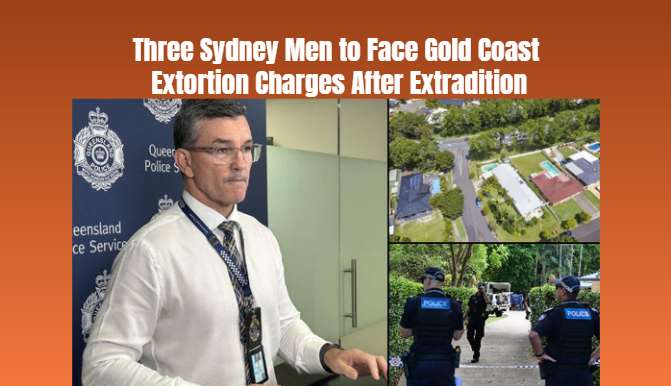
Three men from Sydney are being extradited to Queensland to face allegations of extortion involving former business associates on the Gold Coast. Police...
Former Australian sprinter Jake Doran has been charged with one count of indecent treatment of a child under 16 following a police investigation in Nort...
A Queensland judge is considering whether a teenager who allegedly held a man at knifepoint during a home invasion is criminally responsible for rapes c...
Queensland Corrective Services is reviewing an incident after an Indigenous woman in custody was allegedly restrained in hospital following a caesarean...
Three men from Sydney are being extradited to Queensland to face allegations of extortion involving former business associates on the Gold Coast. Police...
Prosecutors have acknowledged that Masood Zakaria was prohibited from being deported while his appeal was pending, as he challenges the legality of his...
Former Australian sprinter Jake Doran has been charged with one count of indecent treatment of a child under 16 following a police investigation in Nort...
Australian capital-city house prices fell 4.7 per cent in the September quarter, with Perth recording the sharpest decline as affordability pressures an...