Western Australia Introduces New Laws to Protect LGBTQIA+ Students and School Staff
By Chloe · Published 20 Oct 2026 · Updated 20 Oct 2026
Perth, WA · Western Australia News
Safety note: Admin approval is an initial review, not a guarantee that every detail is correct. Check important or urgent claims with official sources and report anything inaccurate or unsafe.
Source and credit: Contributor's own report
Western Australia Introduces New Laws to Protect LGBTQIA+ Students and School Staff - Perth, WA
Smart summary
New legislation announced in Western Australia aims to prevent discrimination against LGBTQIA+ students and employees in schools.
The Western Australian government has proposed major changes to the state's anti-discrimination laws, aiming to prevent religious schools from dismissing teachers or expelling students because of their sexuality. The proposed legislation would also strengthen protections for students with disabilities and expand safeguards for other groups who experience discrimination.
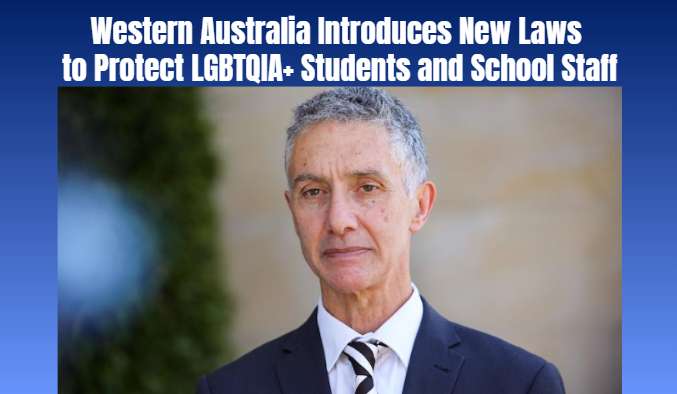
Announced by Attorney General Tony Buti on 20 October 2026, the reforms would rewrite the state's Equal Opportunity Act. The government describes the proposal as the most significant overhaul of Western Australia's anti-discrimination laws in more than 40 years.
Under the proposed changes, religious schools would no longer be able to dismiss teachers or expel students on the grounds of their sexual orientation. Schools would also be prohibited from rejecting students because of a disability. However, religious institutions would retain the ability to make certain decisions based on a person's religion.
Protection for LGBTQIA+ students and staff The proposal is intended to improve protections for lesbian, gay, bisexual, transgender, queer, intersex and other LGBTQIA+ people in religious educational settings.
Supporters argue that a person's sexuality should not prevent them from accessing education or maintaining employment. The reforms would aim to ensure that students can attend school and staff can continue working without facing discrimination because of their sexual orientation.
The changes would also address concerns about the treatment of LGBTQIA+ people in institutions where religious beliefs influence employment and admission policies. Stronger disability protections The legislation would expand protections for people with disabilities, including children who require reasonable adjustments to participate in education.
Felicity Creagh, a mother of two autistic children, welcomed the proposed reforms. She said stronger legal protections could help families feel heard and improve the chances that their children receive appropriate accommodations.
The proposal is particularly relevant to families seeking suitable educational support, because exclusion or inadequate accommodations can affect a student's ability to participate fully in school life. Other groups covered by the proposed reforms The changes would extend beyond sexuality and disability. The government also intends to strengthen protections for people who are homeless, affected by domestic violence, pregnant or breastfeeding, or involved in union activities.
The broader approach is intended to make the state's discrimination laws more comprehensive and better suited to current social and workplace circumstances. Political response and next steps Premier Roger Cook said people should not face discrimination or abuse because of their race, religion, sexuality or disability. Attorney General Buti said the proposed changes would focus religious exemptions on religion itself rather than allowing discrimination based on other characteristics.
The opposition has said it will carefully examine the bill once it is introduced in Parliament. Shadow Attorney General Nick Goiran indicated that the opposition would consult affected groups and scrutinise the details of the proposed legislation.
The bill was expected to be introduced in the Western Australian Parliament on Wednesday, 21 October 2026. Until the legislation is passed and takes effect, the announced changes remain a proposal rather than law.
If enacted, the reforms could change how religious schools make decisions about staff recruitment, student admissions and disciplinary action. They could also provide clearer avenues for people who believe they have experienced unlawful discrimination.
The debate is likely to continue as parliamentarians and affected communities examine the balance between religious freedom, equal treatment and access to education.
WouldReligiousProposedStudentsChanges
The Western Australian government has proposed major changes to the state's anti-discrimination laws, aiming to prevent religious schools from dismissing teachers or expelling students because of their sexuality. The proposed legislation would also strengthen protections for students with disabilities and expand safeguards for other groups who experience discrimination.
Announced by Attorney General Tony Buti on 20 October 2026, the reforms would rewrite the state's Equal Opportunity Act. The government describes the proposal as the most significant overhaul of Western Australia's anti-discrimination laws in more than 40 years.
Under the proposed changes, religious schools would no longer be able to dismiss teachers or expel students on the grounds of their sexual orientation. Schools would also be prohibited from rejecting students because of a disability. However, religious institutions would retain the ability to make certain decisions based on a person's religion.
Protection for LGBTQIA+ students and staff The proposal is intended to improve protections for lesbian, gay, bisexual, transgender, queer, intersex and other LGBTQIA+ people in religious educational settings.
Supporters argue that a person's sexuality should not prevent them from accessing education or maintaining employment. The reforms would aim to ensure that students can attend school and staff can continue working without facing discrimination because of their sexual orientation.
The changes would also address concerns about the treatment of LGBTQIA+ people in institutions where religious beliefs influence employment and admission policies. Stronger disability protections The legislation would expand protections for people with disabilities, including children who require reasonable adjustments to participate in education.
Felicity Creagh, a mother of two autistic children, welcomed the proposed reforms. She said stronger legal protections could help families feel heard and improve the chances that their children receive appropriate accommodations.
The proposal is particularly relevant to families seeking suitable educational support, because exclusion or inadequate accommodations can affect a student's ability to participate fully in school life. Other groups covered by the proposed reforms The changes would extend beyond sexuality and disability. The government also intends to strengthen protections for people who are homeless, affected by domestic violence, pregnant or breastfeeding, or involved in union activities.
The broader approach is intended to make the state's discrimination laws more comprehensive and better suited to current social and workplace circumstances. Political response and next steps Premier Roger Cook said people should not face discrimination or abuse because of their race, religion, sexuality or disability. Attorney General Buti said the proposed changes would focus religious exemptions on religion itself rather than allowing discrimination based on other characteristics.
The opposition has said it will carefully examine the bill once it is introduced in Parliament. Shadow Attorney General Nick Goiran indicated that the opposition would consult affected groups and scrutinise the details of the proposed legislation.
The bill was expected to be introduced in the Western Australian Parliament on Wednesday, 21 October 2026. Until the legislation is passed and takes effect, the announced changes remain a proposal rather than law.
If enacted, the reforms could change how religious schools make decisions about staff recruitment, student admissions and disciplinary action. They could also provide clearer avenues for people who believe they have experienced unlawful discrimination.
The debate is likely to continue as parliamentarians and affected communities examine the balance between religious freedom, equal treatment and access to education.
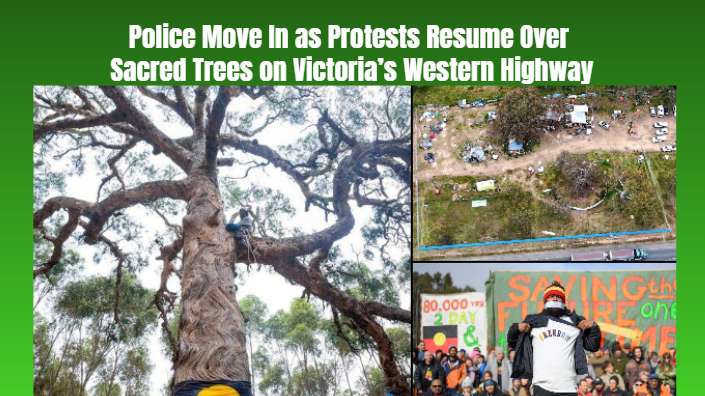
A fresh protest has erupted in western Victoria over plans to duplicate a major highway, with Djab Wurrung people and supporters opposing the removal of...
Adelaide is facing the loss of Oz Asia, one of Australia's leading Asian arts festivals, raising questions about the future of major cultural events and...
A 231-kilogram tuna caught by a five-person fishing team has helped turn Lakes Entrance into a major fishing destination, attracting anglers from across...
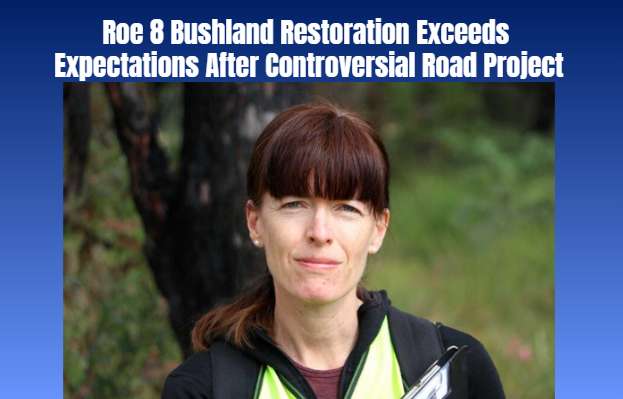
Restoration work on bushland damaged during the controversial Roe 8 road project is reportedly progressing better than expected, nearly a decade after v...
A 40-year-old cyclist has died after being struck by an unidentified vehicle on North Lake Road in Bibra Lake early Tuesday morning. The driver failed t...
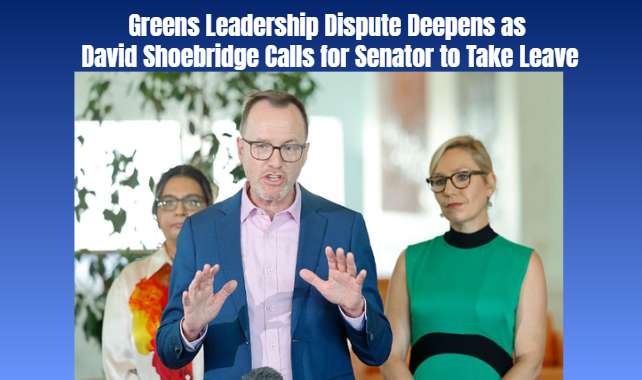
Australian Greens leader David Shoebridge says Senator Jordon Steele-John should take personal leave while an independent investigation examines allegat...
A teenager has been charged after multiple shots were fired at a house in Perth’s eastern suburbs. Three people were inside the property, but no injurie...
Australia will open military recruitment to eligible students and recent graduates from Papua New Guinea next month, in a pilot program designed to stre...
A fresh protest has erupted in western Victoria over plans to duplicate a major highway, with Djab Wurrung people and supporters opposing the removal of...
A New South Wales parliamentary inquiry has recommended stopping two proposed waste-to-energy projects near Parkes and Goulburn, citing community opposi...
Six football clubs in Whyalla, South Australia, are facing an uncertain future as expected steelworks job losses threaten player numbers, club finances...