NSW Inquiry Calls for Halt to Plans to Burn Sydney’s Waste in Regional Towns
By Chloe · Published 20 Oct 2026 · Updated 20 Oct 2026
Goulburn, NSW · New South Wales News
Safety note: Admin approval is an initial review, not a guarantee that every detail is correct. Check important or urgent claims with official sources and report anything inaccurate or unsafe.
Source and credit: Contributor's own report
NSW Inquiry Calls for Halt to Plans to Burn Sydney’s Waste in Regional Towns - Goulburn, NSW
Smart summary
A New South Wales parliamentary inquiry has recommended stopping two proposed waste-to-energy projects near Parkes and Goulburn, citing community opposition and concerns about transporting metropolitan rubbish into re...
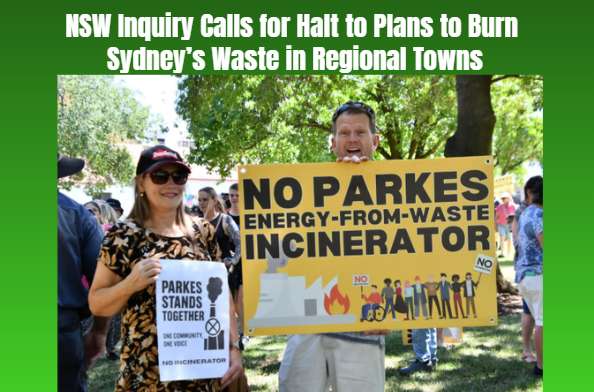
A New South Wales parliamentary inquiry has recommended that the state government halt two proposed waste-to-energy projects that would process large quantities of rubbish from Sydney in regional communities. The recommendations have renewed debate about how Australia should manage growing waste volumes while protecting the environment and addressing future landfill shortages.
The inquiry examined proposals for facilities at Parkes, in the state's Central West, and near Tarago, in the Goulburn region. Both projects are intended to process waste through thermal treatment, a method that uses heat to convert rubbish into energy.
After conducting seven hearings across 2025 and 2026, the parliamentary committee delivered 22 recommendations. These included rejecting the two proposals currently under consideration and introducing a moratorium on waste-to-energy developments while further independent assessments are carried out.
Committee chair Nichole Overall said the inquiry had heard significant concerns about community acceptance and the suitability of locating such facilities in regional areas. Residents and local representatives have questioned why towns outside Sydney should receive waste generated hundreds of kilometres away.
One of the major concerns is the scale of the proposed Parkes Energy Recovery facility. According to the project's planning information reported by ABC News, the development could process approximately 732,000 tonnes of household and industrial waste annually if approved. Most of the rubbish would be transported from Sydney by rail.
The facility has been proposed as a way to turn waste into electricity, potentially generating up to 80 megawatts of power. Supporters of waste-to-energy technology argue that it can reduce the amount of rubbish sent to landfill while producing electricity from materials that cannot readily be recycled.
However, opponents argue that transporting such large quantities of waste to regional communities could increase costs, create additional environmental impacts and place an unfair burden on residents living near the facilities.
A separate proposal near Tarago, known as the Woodlawn Advanced Energy Recovery Centre, would process approximately 380,000 tonnes of non-recyclable waste from Sydney each year. Its developer has said the facility could generate enough electricity to supply up to 40,000 homes. The proposal remains part of the planning process.
The debate is becoming increasingly urgent because Greater Sydney's existing landfill capacity is expected to come under severe pressure, with available capacity projected to run out around 2030. This has intensified calls for the state to develop a long-term waste strategy that combines recycling, waste reduction, improved resource recovery and appropriate disposal methods.
The parliamentary committee also recommended maintaining appropriate distances between proposed facilities and sensitive locations, including food production areas, schools and hospitals. It called for further independent review of the designated waste-to-energy precincts.
Not all committee members agreed with the proposed approach. Some argued that imposing a moratorium before suitable alternatives are available could make the state's waste-management challenges harder to solve. Supporters of the technology maintain that facilities can operate safely when subject to strong standards and effective regulation.
The NSW government is expected to respond to the inquiry's recommendations by 20 January 2027. The recommendations do not, by themselves, constitute a final government decision on either project.
The outcome could influence future waste-management policy across New South Wales, particularly the balance between metropolitan waste needs, regional community concerns and the development of alternative energy sources.
WasteSydneyCouldFacilitiesInquiry
A New South Wales parliamentary inquiry has recommended that the state government halt two proposed waste-to-energy projects that would process large quantities of rubbish from Sydney in regional communities. The recommendations have renewed debate about how Australia should manage growing waste volumes while protecting the environment and addressing future landfill shortages.
The inquiry examined proposals for facilities at Parkes, in the state's Central West, and near Tarago, in the Goulburn region. Both projects are intended to process waste through thermal treatment, a method that uses heat to convert rubbish into energy.
After conducting seven hearings across 2025 and 2026, the parliamentary committee delivered 22 recommendations. These included rejecting the two proposals currently under consideration and introducing a moratorium on waste-to-energy developments while further independent assessments are carried out.
Committee chair Nichole Overall said the inquiry had heard significant concerns about community acceptance and the suitability of locating such facilities in regional areas. Residents and local representatives have questioned why towns outside Sydney should receive waste generated hundreds of kilometres away.
One of the major concerns is the scale of the proposed Parkes Energy Recovery facility. According to the project's planning information reported by ABC News, the development could process approximately 732,000 tonnes of household and industrial waste annually if approved. Most of the rubbish would be transported from Sydney by rail.
The facility has been proposed as a way to turn waste into electricity, potentially generating up to 80 megawatts of power. Supporters of waste-to-energy technology argue that it can reduce the amount of rubbish sent to landfill while producing electricity from materials that cannot readily be recycled.
However, opponents argue that transporting such large quantities of waste to regional communities could increase costs, create additional environmental impacts and place an unfair burden on residents living near the facilities.
A separate proposal near Tarago, known as the Woodlawn Advanced Energy Recovery Centre, would process approximately 380,000 tonnes of non-recyclable waste from Sydney each year. Its developer has said the facility could generate enough electricity to supply up to 40,000 homes. The proposal remains part of the planning process.
The debate is becoming increasingly urgent because Greater Sydney's existing landfill capacity is expected to come under severe pressure, with available capacity projected to run out around 2030. This has intensified calls for the state to develop a long-term waste strategy that combines recycling, waste reduction, improved resource recovery and appropriate disposal methods.
The parliamentary committee also recommended maintaining appropriate distances between proposed facilities and sensitive locations, including food production areas, schools and hospitals. It called for further independent review of the designated waste-to-energy precincts.
Not all committee members agreed with the proposed approach. Some argued that imposing a moratorium before suitable alternatives are available could make the state's waste-management challenges harder to solve. Supporters of the technology maintain that facilities can operate safely when subject to strong standards and effective regulation.
The NSW government is expected to respond to the inquiry's recommendations by 20 January 2027. The recommendations do not, by themselves, constitute a final government decision on either project.
The outcome could influence future waste-management policy across New South Wales, particularly the balance between metropolitan waste needs, regional community concerns and the development of alternative energy sources.
Australian Greens leader David Shoebridge says Senator Jordon Steele-John should take personal leave while an independent investigation examines allegat...
A Commonwealth Ombudsman report identifies an Australian citizen who spent more than two and a half years in immigration detention because citizenship l...
The Australian Greens say the concerns are being taken seriously and call for a fair, independent review of allegations concerning the Western Australia...
A proposed Queensland law would exempt corrective services staff from having to consider prisoners’ human rights when making certain decisions. Supporte...
Regional aged-care providers warn that changes to migration pathways could make it harder to recruit and retain workers, putting additional pressure on...
National Australia Bank announces plans to reduce its workforce by approximately 2,500 positions by mid-2027, citing rising competition, operating costs...
A new guide developed with survivors and specialists aims to help doctors and other healthcare professionals recognise signs of modern slavery and conne...
Australia will open military recruitment to eligible students and recent graduates from Papua New Guinea next month, in a pilot program designed to stre...
A fresh protest has erupted in western Victoria over plans to duplicate a major highway, with Djab Wurrung people and supporters opposing the removal of...
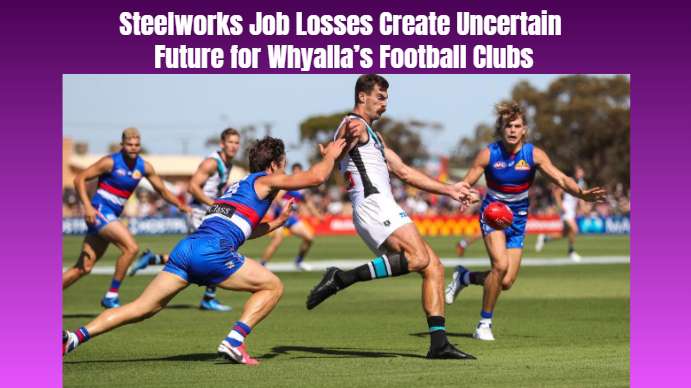
Six football clubs in Whyalla, South Australia, are facing an uncertain future as expected steelworks job losses threaten player numbers, club finances...
Unusually wet conditions in Central Australia have helped butterfly numbers increase, prompting thousands of caper white butterflies to migrate south to...