Police Move In as Protests Resume Over Sacred Trees on Victoria’s Western Highway
By Chloe · Published 20 Oct 2026 · Updated 20 Oct 2026
Melbourne, VIC · Victoria News
Safety note: Admin approval is an initial review, not a guarantee that every detail is correct. Check important or urgent claims with official sources and report anything inaccurate or unsafe.
Source and credit: Contributor's own report
Police Move In as Protests Resume Over Sacred Trees on Victoria’s Western Highway - Melbourne, VIC
Smart summary
A fresh protest has erupted in western Victoria over plans to duplicate a major highway, with Djab Wurrung people and supporters opposing the removal of culturally significant trees.
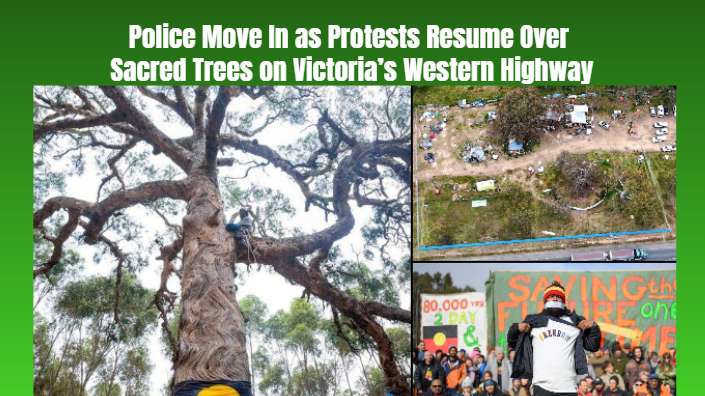
Police have attended a protest site in western Victoria as authorities move to allow work to resume on a controversial section of the Western Highway duplication project. The dispute centres on trees considered culturally significant by Djab Wurrung people, including trees associated with birthing traditions and Indigenous heritage.
The proposed road upgrade covers a 12-kilometre stretch of the Western Highway between Buangor and Ararat. The highway is an important transport route connecting Melbourne with Adelaide, and the Victorian government says improving it is necessary to increase road safety and traffic efficiency.
However, the project has faced sustained opposition since 2018 because of concerns about its potential impact on Aboriginal cultural heritage. Traditional Owners and supporters have established protest camps and challenged aspects of the development, arguing that culturally significant trees and rock formations should be protected.
police arrived at the site after protesters gathered to oppose the planned tree removal. Some demonstrators were reportedly sitting in trees when officers arrived. Police worked to move protesters away from restricted areas so that authorised works could proceed.
Victoria Police said the operation was mostly peaceful. One man was arrested for refusing to leave a restricted-access area and was later released pending a summons. Police remained at the site following the confrontation.
Djab Wurrung and Gunditjmara woman Yaraan Couzens-Bundle said around 20 people were involved in the protest. She explained that the group did not support the current arrangements for the project and remained opposed to removing culturally significant trees from the landscape.
Protesters have also expressed concern about rock formations that they say could be disturbed or relocated during construction. They argue that improving the maintenance and safety of the existing highway should be considered as an alternative to widening it.
The Eastern Maar Aboriginal Corporation approved the project's cultural heritage management plan in March 2026. The corporation said the plan includes protections for trees that had been the subject of cultural and community concern, as well as trees more than 200 years old. Nevertheless, some protesters say the approved plan does not adequately represent their concerns or their understanding of the cultural significance of the site.
The dispute follows years of consultation, redesigns and legal challenges. Construction was previously paused while the project’s route and cultural heritage arrangements were reconsidered. The Victorian government has said the necessary approvals are now in place and that the upgrade will proceed.
Supporters of the road project point to the highway's safety record and the need for better transport infrastructure. The government has said the upgraded section will add a lane in each direction, with major construction expected to begin in the coming period and completion targeted for 2029.
Opponents say road safety improvements should not come at the expense of cultural heritage. The confrontation has also raised questions about how governments consult with different Traditional Owner groups and how disagreements over cultural heritage plans are resolved.
The latest protest demonstrates that the issue remains deeply contested despite the project's approvals. Activists have indicated that they intend to continue advocating for the protection of culturally important places, while authorities are preparing to advance the highway works.
The outcome could have wider implications for infrastructure planning across Australia, where road, mining and development projects sometimes intersect with places of significance to First Nations communities. Balancing transport needs, public safety, legal approvals and the protection of Indigenous heritage remains a major challenge for governments and local communities.
TreesCulturalHeritageHighwayProject
Police have attended a protest site in western Victoria as authorities move to allow work to resume on a controversial section of the Western Highway duplication project. The dispute centres on trees considered culturally significant by Djab Wurrung people, including trees associated with birthing traditions and Indigenous heritage.
The proposed road upgrade covers a 12-kilometre stretch of the Western Highway between Buangor and Ararat. The highway is an important transport route connecting Melbourne with Adelaide, and the Victorian government says improving it is necessary to increase road safety and traffic efficiency.
However, the project has faced sustained opposition since 2018 because of concerns about its potential impact on Aboriginal cultural heritage. Traditional Owners and supporters have established protest camps and challenged aspects of the development, arguing that culturally significant trees and rock formations should be protected.
police arrived at the site after protesters gathered to oppose the planned tree removal. Some demonstrators were reportedly sitting in trees when officers arrived. Police worked to move protesters away from restricted areas so that authorised works could proceed.
Victoria Police said the operation was mostly peaceful. One man was arrested for refusing to leave a restricted-access area and was later released pending a summons. Police remained at the site following the confrontation.
Djab Wurrung and Gunditjmara woman Yaraan Couzens-Bundle said around 20 people were involved in the protest. She explained that the group did not support the current arrangements for the project and remained opposed to removing culturally significant trees from the landscape.
Protesters have also expressed concern about rock formations that they say could be disturbed or relocated during construction. They argue that improving the maintenance and safety of the existing highway should be considered as an alternative to widening it.
The Eastern Maar Aboriginal Corporation approved the project's cultural heritage management plan in March 2026. The corporation said the plan includes protections for trees that had been the subject of cultural and community concern, as well as trees more than 200 years old. Nevertheless, some protesters say the approved plan does not adequately represent their concerns or their understanding of the cultural significance of the site.
The dispute follows years of consultation, redesigns and legal challenges. Construction was previously paused while the project’s route and cultural heritage arrangements were reconsidered. The Victorian government has said the necessary approvals are now in place and that the upgrade will proceed.
Supporters of the road project point to the highway's safety record and the need for better transport infrastructure. The government has said the upgraded section will add a lane in each direction, with major construction expected to begin in the coming period and completion targeted for 2029.
Opponents say road safety improvements should not come at the expense of cultural heritage. The confrontation has also raised questions about how governments consult with different Traditional Owner groups and how disagreements over cultural heritage plans are resolved.
The latest protest demonstrates that the issue remains deeply contested despite the project's approvals. Activists have indicated that they intend to continue advocating for the protection of culturally important places, while authorities are preparing to advance the highway works.
The outcome could have wider implications for infrastructure planning across Australia, where road, mining and development projects sometimes intersect with places of significance to First Nations communities. Balancing transport needs, public safety, legal approvals and the protection of Indigenous heritage remains a major challenge for governments and local communities.
Adelaide is facing the loss of Oz Asia, one of Australia's leading Asian arts festivals, raising questions about the future of major cultural events and...
A 231-kilogram tuna caught by a five-person fishing team has helped turn Lakes Entrance into a major fishing destination, attracting anglers from across...
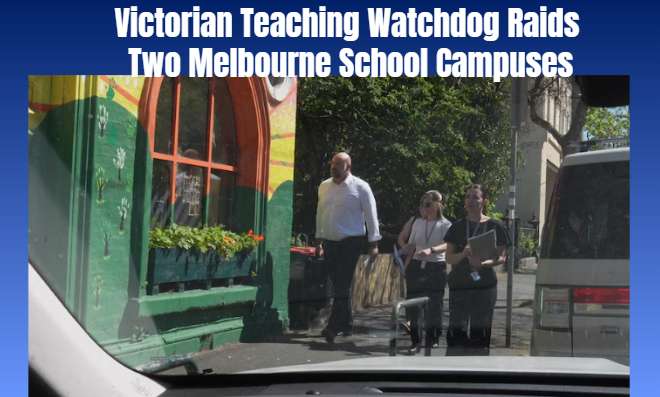
Victoria's teaching regulator has carried out unannounced inspections at two Fitzroy Community School campuses as investigations into child-safety conce...
Independent MP Helen Haines remains in critical condition following an alleged deliberate vehicle attack outside her electorate office in regional Victo...
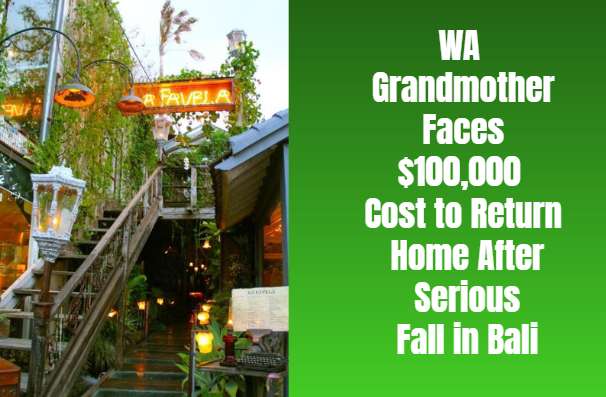
A 79-year-old woman from Busselton is recovering in a Bali hospital after falling down a restaurant stairwell, with her family facing substantial medica...
Australia will open military recruitment to eligible students and recent graduates from Papua New Guinea next month, in a pilot program designed to stre...
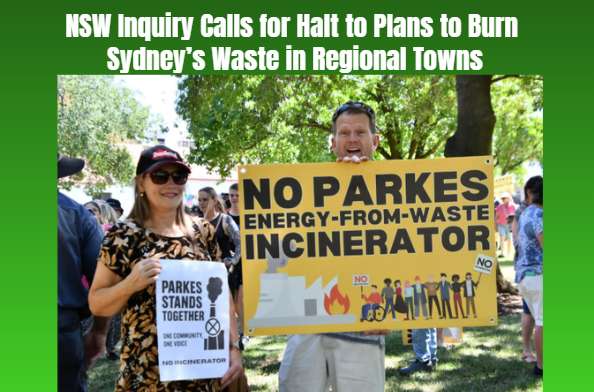
A New South Wales parliamentary inquiry has recommended stopping two proposed waste-to-energy projects near Parkes and Goulburn, citing community opposi...
Six football clubs in Whyalla, South Australia, are facing an uncertain future as expected steelworks job losses threaten player numbers, club finances...