Prince Fahnbulleh Found Guilty of Murdering Yohana Angok
By Neha Maurya · Published 10 Jun 2026 · Updated 10 Jun 2026
Sydney, NSW · New South Wales News
Safety note: Admin approval is an initial review, not a guarantee that every detail is correct. Check important or urgent claims with official sources and report anything inaccurate or unsafe.
Source and credit: Contributor's own report
Court building in New South Wales
Smart summary
A New South Wales jury has reached a verdict in the murder trial of Prince Fahnbulleh, rejecting claims of self-defence.
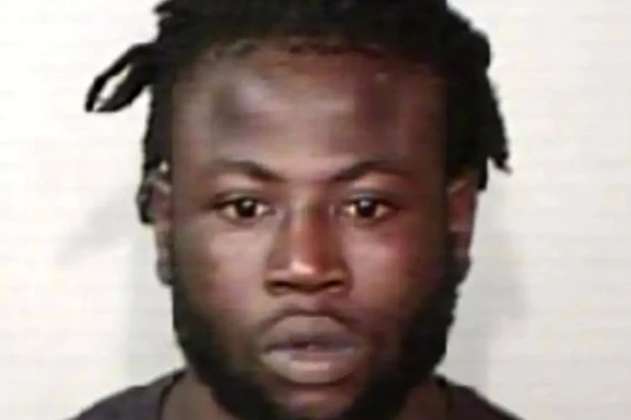
A New South Wales Supreme Court jury has found Prince Fahnbulleh, 27, guilty of murdering Yohana Angok, bringing an end to a high-profile trial that centred on a fatal stabbing in Sydney's west.
The verdict was delivered after jurors deliberated for approximately one hour, rejecting Fahnbulleh's argument that he had acted in self-defence when he killed the 25-year-old in June 2023.
During the 10-day trial, prosecutors alleged Fahnbulleh acted out of jealousy after discovering his former partner, Janika Bevin, in bed with Angok at her St Clair apartment.
The court heard that Fahnbulleh had arranged to collect belongings from Bevin's home. However, despite clothing being left outside for him to retrieve, he allegedly ignored the items, entered the property uninvited by climbing over a side fence and making his way upstairs into the apartment.
According to the Crown case, Fahnbulleh became enraged after finding the pair together and retrieved a knife from the kitchen before fatally stabbing Angok in the heart.
Following the attack, Fahnbulleh fled the apartment through an upstairs window and entered a vehicle driven by his friend, Adrian Shillingsworth.
During the trial, Shillingsworth told jurors he saw Fahnbulleh covered in blood when he returned to the car.
"I saw him covered in blood," Shillingsworth testified.
"He just told me to drive."
Prosecutors also presented evidence of threatening messages Fahnbulleh had allegedly sent to Angok in the days leading up to the stabbing. The court heard that the accused had sent messages stating, "I'll find you sooner or later" and allegedly shared a photograph of himself holding a handgun. Another message reportedly read, "I'm not going to stop till you get shot in your head."
Fahnbulleh's defence team argued that Angok had been armed with a knife and that the fatal confrontation occurred while Fahnbulleh was attempting to defend himself. Defence barrister Scott Fraser SC urged the jury to consider whether Angok's actions could have been influenced by the threatening messages he had previously received.
However, Crown prosecutors dismissed the self-defence argument, describing it as inconsistent with the evidence presented during the trial. Prosecutor Mark Hay told the court that Angok had not been waiting for a confrontation and was simply asleep in bed before the incident unfolded.
After considering the evidence, jurors unanimously found Fahnbulleh guilty of murder.
The conviction brings some closure to Angok's family and friends, who have waited nearly three years for the case to be resolved through the courts.
Fahnbulleh remains in custody and is expected to return to court at a later date for sentencing, where the judge will determine the appropriate penalty for the offence.
The case has highlighted the devastating consequences of domestic conflict and jealousy, while also underscoring the significant role played by witness testimony and digital evidence in modern criminal investigations.
FahnbullehAngokCourtEvidenceTrial
A New South Wales Supreme Court jury has found Prince Fahnbulleh, 27, guilty of murdering Yohana Angok, bringing an end to a high-profile trial that centred on a fatal stabbing in Sydney's west.
The verdict was delivered after jurors deliberated for approximately one hour, rejecting Fahnbulleh's argument that he had acted in self-defence when he killed the 25-year-old in June 2023.
During the 10-day trial, prosecutors alleged Fahnbulleh acted out of jealousy after discovering his former partner, Janika Bevin, in bed with Angok at her St Clair apartment.
The court heard that Fahnbulleh had arranged to collect belongings from Bevin's home. However, despite clothing being left outside for him to retrieve, he allegedly ignored the items, entered the property uninvited by climbing over a side fence and making his way upstairs into the apartment.
According to the Crown case, Fahnbulleh became enraged after finding the pair together and retrieved a knife from the kitchen before fatally stabbing Angok in the heart.
Following the attack, Fahnbulleh fled the apartment through an upstairs window and entered a vehicle driven by his friend, Adrian Shillingsworth.
During the trial, Shillingsworth told jurors he saw Fahnbulleh covered in blood when he returned to the car.
"I saw him covered in blood," Shillingsworth testified.
"He just told me to drive."
Prosecutors also presented evidence of threatening messages Fahnbulleh had allegedly sent to Angok in the days leading up to the stabbing. The court heard that the accused had sent messages stating, "I'll find you sooner or later" and allegedly shared a photograph of himself holding a handgun. Another message reportedly read, "I'm not going to stop till you get shot in your head."
Fahnbulleh's defence team argued that Angok had been armed with a knife and that the fatal confrontation occurred while Fahnbulleh was attempting to defend himself. Defence barrister Scott Fraser SC urged the jury to consider whether Angok's actions could have been influenced by the threatening messages he had previously received.
However, Crown prosecutors dismissed the self-defence argument, describing it as inconsistent with the evidence presented during the trial. Prosecutor Mark Hay told the court that Angok had not been waiting for a confrontation and was simply asleep in bed before the incident unfolded.
After considering the evidence, jurors unanimously found Fahnbulleh guilty of murder.
The conviction brings some closure to Angok's family and friends, who have waited nearly three years for the case to be resolved through the courts.
Fahnbulleh remains in custody and is expected to return to court at a later date for sentencing, where the judge will determine the appropriate penalty for the offence.
The case has highlighted the devastating consequences of domestic conflict and jealousy, while also underscoring the significant role played by witness testimony and digital evidence in modern criminal investigations.
A 21-year-old Bendigo man, Adrian Turnbull, has been sentenced to a maximum of four years and eight months in prison after pleading guilty to a series of offences committed acro...
Wagga Wagga New South Wales · Crime News · 17 Sep 2026
Riverina Police have established a specialised task force in Wagga Wagga to investigate a series of aggravated break-and-enter offences, home invasions and firearm-related incid...
Five-Year Sentence for Albury Police Siege A 36-year-old man, Stephen Bates, has been sentenced to five years in prison following a serious confrontation with police in Lavingto...
A 36-year-old man has been charged after investigators allegedly found fraudulent identification documents, cloned number plates, cash and drug-manufact...
A 22-year-old man has been charged after a police pursuit involving an allegedly stolen Toyota utility near Moree in northern New South Wales. NSW Police published the update on...
Sydney New South Wales · General News · 15 Sep 2026
A tragic incident in Auburn, in Sydney’s west, has resulted in the death of a three-year-old girl after she was struck by a car in a residential driveway on Tuesday, September 1...
A 16-year-old boy is due to appear before a children’s court after being charged following an alleged brawl at a train station in Penrith, in Sydney’s west. The incident occurre...
A man in his 40s has been shot dead at the doorway of a home in Merrylands West, western Sydney, prompting a major police investigation. The shooting occurred on Wednesday after...
A 36-year-old man has been charged after investigators allegedly found fraudulent identification documents, cloned number plates, cash and drug-manufact...
A Sydney court has heard that a man sent 249 messages to a former partner within 24 hours, with the messages treated as a single alleged breach of an ap...
A high-profile athlete has returned to court and told the hearing that an alleged unwanted kiss by former broadcaster Alan Jones remained difficult to f...
Work on the $150 million Sydney Town Hall Square project has been paused after the NSW Planning Minister referred the development for review by the Inde...
Cairns Regional Council has unanimously voted to seek $400,000 in Queensland Government funding for a program designed to connect local businesses with the region’s growing film...
An automated external defibrillator and memorial plaque have been installed at Ellery Creek Big Hole following the death of disability advocate Ellen Fr...
Queensland firefighters spent several hours monitoring a significant grass fire at Mary Kinross Park in Bargara, near Bundaberg, after the blaze broke out on Wednesday evening....