Queensland Audit Office fast-tracks investigation into troubled $188m child safety IT system
By Neha Maurya · Published 02 Jul 2026 · Updated 02 Jul 2026
Brisbane, Queensland · Queensland News
Safety note: Admin approval is an initial review, not a guarantee that every detail is correct. Check important or urgent claims with official sources and report anything inaccurate or unsafe.
Source and credit: Contributor's own report
Queensland Audit Office fast-tracks investigation into troubled $188m child safety IT system - Brisbane, Queensland
Smart summary
Queensland's public spending watchdog has accelerated its investigation into the state's $188 million Unify child safety IT system, following mounting concerns over governance, cost overruns and risks to vulnerable ch...
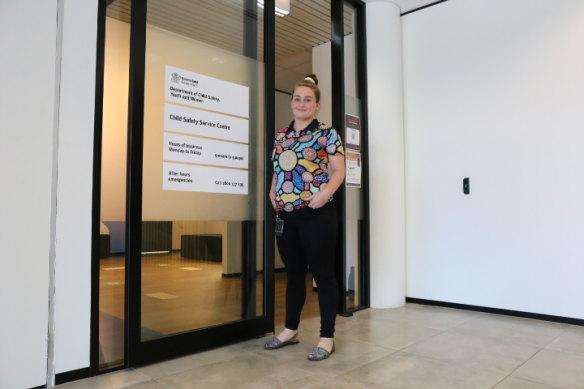
The Queensland Audit Office (QAO) has brought forward its investigation into the state's troubled Unify child safety IT system, as scrutiny intensifies over the project's management and its impact on frontline child protection services.
The fast-tracked review comes after months of criticism surrounding the $188 million digital platform, which was introduced to modernise child protection case management but has since been linked to significant operational problems. The audit will examine whether public money was managed effectively, whether governance arrangements were adequate, and how the project affected service delivery for vulnerable children.
Earlier independent reviews found the system launched without several key functions originally planned. Critical features were removed or delayed during development, while inadequate testing and compressed delivery timelines reportedly left child safety officers working with an incomplete platform. Those shortcomings increased workloads and made it harder for staff to assess reports of harm and manage child protection cases efficiently.
The accelerated audit follows growing political pressure on the Queensland Government after previous reviews concluded that the system's failures may have placed vulnerable children at greater risk. Child Safety Minister Amanda Camm has previously stated she was not fully informed of the seriousness of the system's problems before it went live and has committed to overhauling governance and restoring public confidence.
The Audit Office is expected to assess how project decisions were made, whether risks were appropriately identified and reported, and if stronger oversight could have prevented many of the issues encountered during implementation. It will also examine whether lessons can be applied to future large-scale government technology projects.
The Unify platform was intended to replace ageing child protection systems and improve information sharing across Queensland's child safety services. Instead, frontline workers reported difficulties locating records, slower processing times and reduced functionality, forcing staff to rely on manual workarounds while managing sensitive child protection matters. Earlier audits also found that overdue child protection intake cases increased significantly following the rollout before additional resources helped reduce the backlog.
The review is taking place alongside the ongoing Commission of Inquiry into Queensland's Child Safety System, which is examining broader systemic issues affecting child protection across the state. Findings from both processes are expected to influence future reforms in governance, technology and frontline service delivery.
Government officials have already begun implementing a remediation program to restore missing functionality, improve reporting, strengthen governance arrangements and rebuild confidence in the system. However, the fast-tracked Audit Office investigation signals that questions remain about accountability for one of Queensland's largest public sector technology projects.
The Audit Office is expected to report its findings after completing its investigation, with recommendations likely to focus on project management, oversight, risk controls and the protection of vulnerable children through more reliable digital systems.
ChildProtectionAuditSystemQueensland
The Queensland Audit Office (QAO) has brought forward its investigation into the state's troubled Unify child safety IT system, as scrutiny intensifies over the project's management and its impact on frontline child protection services.
The fast-tracked review comes after months of criticism surrounding the $188 million digital platform, which was introduced to modernise child protection case management but has since been linked to significant operational problems. The audit will examine whether public money was managed effectively, whether governance arrangements were adequate, and how the project affected service delivery for vulnerable children.
Earlier independent reviews found the system launched without several key functions originally planned. Critical features were removed or delayed during development, while inadequate testing and compressed delivery timelines reportedly left child safety officers working with an incomplete platform. Those shortcomings increased workloads and made it harder for staff to assess reports of harm and manage child protection cases efficiently.
The accelerated audit follows growing political pressure on the Queensland Government after previous reviews concluded that the system's failures may have placed vulnerable children at greater risk. Child Safety Minister Amanda Camm has previously stated she was not fully informed of the seriousness of the system's problems before it went live and has committed to overhauling governance and restoring public confidence.
The Audit Office is expected to assess how project decisions were made, whether risks were appropriately identified and reported, and if stronger oversight could have prevented many of the issues encountered during implementation. It will also examine whether lessons can be applied to future large-scale government technology projects.
The Unify platform was intended to replace ageing child protection systems and improve information sharing across Queensland's child safety services. Instead, frontline workers reported difficulties locating records, slower processing times and reduced functionality, forcing staff to rely on manual workarounds while managing sensitive child protection matters. Earlier audits also found that overdue child protection intake cases increased significantly following the rollout before additional resources helped reduce the backlog.
The review is taking place alongside the ongoing Commission of Inquiry into Queensland's Child Safety System, which is examining broader systemic issues affecting child protection across the state. Findings from both processes are expected to influence future reforms in governance, technology and frontline service delivery.
Government officials have already begun implementing a remediation program to restore missing functionality, improve reporting, strengthen governance arrangements and rebuild confidence in the system. However, the fast-tracked Audit Office investigation signals that questions remain about accountability for one of Queensland's largest public sector technology projects.
The Audit Office is expected to report its findings after completing its investigation, with recommendations likely to focus on project management, oversight, risk controls and the protection of vulnerable children through more reliable digital systems.
Wodonga councillors have extended the Two Cities One Community agreement with Albury until 2030, despite criticism from one councillor over the value of...
A Queensland government audit has identified gaps in record-keeping around social housing applications cancelled because applicants could not be contact...
NSW Senator David Shoebridge has been elected leader of the Australian Greens, with Victorian Senator Steph Hodgins-May chosen as deputy after a contest...
Prime Minister Anthony Albanese says an agreement to secure the future of Tasmania's Bell Bay aluminium smelter is close, as the federal and state gover...
A Queensland government audit has identified gaps in record-keeping around social housing applications cancelled because applicants could not be contact...
BESIX Watpac and John Holland have been selected as the sole finalist to progress contract negotiations for Brisbane’s planned 63,000-seat Victoria Park...
Gold Coast Mayor Tom Tate has renewed his proposal for a separate daylight-saving arrangement in southeast Queensland as daylight saving begins in sever...
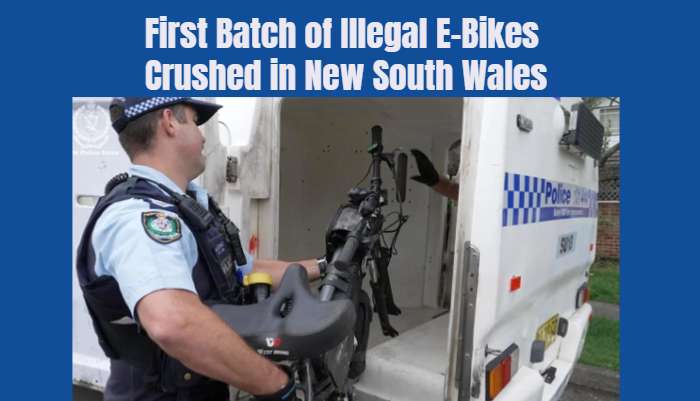
Authorities have crushed 23 confiscated electric bikes in Blacktown under new laws targeting non-compliant e-bikes, following a joint enforcement operat...
Thousands of Victorian doctors and allied health professionals have begun industrial action over stalled negotiations on pay and working conditions, wit...
A 15-year-old boy has been charged after police allege a woman was threatened during an early-morning home break-in before another woman was confronted...
Armidale Regional Council will replace an ageing cast-iron water main in Ampol and Miller Streets with a modern system, with construction scheduled to b...