Safety note: Admin approval is an initial review, not a guarantee that every detail is correct. Check important or urgent claims with official sources and report anything inaccurate or unsafe.
Source and credit: Contributor's own report
Queensland Premier Backs Major Brisbane Waterfront Transformation
Smart summary
Queensland Premier David Crisafulli has expressed support for an ambitious proposal to transform a significant section of Brisbane's waterfront into a vibrant mixed-use destination featuring residential towers, entert...
Queensland Premier David Crisafulli has expressed support for an ambitious proposal to transform a significant section of Brisbane's waterfront into a vibrant mixed-use destination featuring residential towers, entertainment venues, restaurants, public spaces and tourism attractions.
The proposal forms part of a broader vision to reshape Brisbane's riverfront as the city prepares for continued population growth and the opportunities associated with the 2032 Olympic and Paralympic Games. Supporters believe the development could create a world-class waterfront precinct that enhances Brisbane's reputation as one of Australia's fastest-growing capital cities. Plans under consideration include high-rise towers, hospitality venues, retail outlets, public gathering spaces and improved pedestrian connections along the Brisbane River.
The project aims to unlock valuable riverfront land while creating new opportunities for housing, business investment, tourism and recreation. Government leaders argue that major urban renewal projects are essential to accommodate Brisbane's expanding population and strengthen the city's economic future. Queensland has experienced strong interstate migration in recent years, increasing demand for housing, infrastructure and employment opportunities.
The proposal reflects a wider trend of waterfront redevelopment occurring in major cities around the world. Former industrial and underutilised riverfront areas are increasingly being transformed into mixed-use precincts that combine residential living, commercial activity and public open space.
Developers involved in Brisbane's riverfront renewal projects have emphasised the importance of balancing economic growth with community access. Modern plans typically include extensive public walkways, parklands, dining areas and transport links designed to encourage year-round use by residents and visitors. Similar objectives underpin Brisbane's existing Waterfront Brisbane project, which includes new towers, retail areas, riverfront dining and expanded public spaces.
Supporters of the latest proposal say it could generate thousands of construction jobs while attracting significant private-sector investment. The development would also help strengthen Brisbane's tourism appeal by creating additional attractions and entertainment options near the city centre.
However, large-scale developments often attract scrutiny regarding building heights, traffic impacts, environmental considerations and community consultation. Urban planning experts note that successful waterfront projects depend on balancing commercial objectives with public benefit and preserving access to natural river environments. Brisbane has undergone substantial transformation over the past decade, with projects such as new bridges, transport infrastructure, entertainment precincts and commercial developments reshaping the city's landscape. Future riverfront projects are expected to play an important role in defining Brisbane's identity ahead of the Olympics and beyond.
The waterfront vision aligns with broader government strategies aimed at increasing housing supply, stimulating economic activity and enhancing liveability. Planning authorities will continue assessing development proposals, infrastructure requirements and community feedback before major construction proceeds.
If realised, the project would become one of the most significant urban renewal initiatives in Brisbane's recent history. Proponents believe it would create a landmark destination combining housing, recreation, tourism and business activity while strengthening connections between the city and its iconic river.
As discussions continue, residents, businesses and planning authorities will have opportunities to contribute to the future shape of the waterfront. The proposal highlights the growing importance of riverfront development in Brisbane's long-term planning strategy and its ambition to become a globally recognised river city.
BrisbaneWaterfrontRiverfrontCityProjects
Queensland Premier David Crisafulli has expressed support for an ambitious proposal to transform a significant section of Brisbane's waterfront into a vibrant mixed-use destination featuring residential towers, entertainment venues, restaurants, public spaces and tourism attractions.
The proposal forms part of a broader vision to reshape Brisbane's riverfront as the city prepares for continued population growth and the opportunities associated with the 2032 Olympic and Paralympic Games. Supporters believe the development could create a world-class waterfront precinct that enhances Brisbane's reputation as one of Australia's fastest-growing capital cities. Plans under consideration include high-rise towers, hospitality venues, retail outlets, public gathering spaces and improved pedestrian connections along the Brisbane River.
The project aims to unlock valuable riverfront land while creating new opportunities for housing, business investment, tourism and recreation. Government leaders argue that major urban renewal projects are essential to accommodate Brisbane's expanding population and strengthen the city's economic future. Queensland has experienced strong interstate migration in recent years, increasing demand for housing, infrastructure and employment opportunities.
The proposal reflects a wider trend of waterfront redevelopment occurring in major cities around the world. Former industrial and underutilised riverfront areas are increasingly being transformed into mixed-use precincts that combine residential living, commercial activity and public open space.
Developers involved in Brisbane's riverfront renewal projects have emphasised the importance of balancing economic growth with community access. Modern plans typically include extensive public walkways, parklands, dining areas and transport links designed to encourage year-round use by residents and visitors. Similar objectives underpin Brisbane's existing Waterfront Brisbane project, which includes new towers, retail areas, riverfront dining and expanded public spaces.
Supporters of the latest proposal say it could generate thousands of construction jobs while attracting significant private-sector investment. The development would also help strengthen Brisbane's tourism appeal by creating additional attractions and entertainment options near the city centre.
However, large-scale developments often attract scrutiny regarding building heights, traffic impacts, environmental considerations and community consultation. Urban planning experts note that successful waterfront projects depend on balancing commercial objectives with public benefit and preserving access to natural river environments. Brisbane has undergone substantial transformation over the past decade, with projects such as new bridges, transport infrastructure, entertainment precincts and commercial developments reshaping the city's landscape. Future riverfront projects are expected to play an important role in defining Brisbane's identity ahead of the Olympics and beyond.
The waterfront vision aligns with broader government strategies aimed at increasing housing supply, stimulating economic activity and enhancing liveability. Planning authorities will continue assessing development proposals, infrastructure requirements and community feedback before major construction proceeds.
If realised, the project would become one of the most significant urban renewal initiatives in Brisbane's recent history. Proponents believe it would create a landmark destination combining housing, recreation, tourism and business activity while strengthening connections between the city and its iconic river.
As discussions continue, residents, businesses and planning authorities will have opportunities to contribute to the future shape of the waterfront. The proposal highlights the growing importance of riverfront development in Brisbane's long-term planning strategy and its ambition to become a globally recognised river city.
Wagga Wagga New South Wales · Breaking News · 16 Sep 2026
Riverina Police have established a dedicated investigation, Strike Force Arctis, following a reported increase in serious property and violent offences across Wagga Wagga. The o...
A serious late-night collision on the Hume Highway in Sydney’s south-west has left several people injured, including children, with one man in critical...
A Canberra woman has become the first person in the ACT whose death has been linked to a highly potent synthetic opioid, prompting renewed concern about...
Queensland's emerging football prospects are coming together for a three-day Brisbane Lions State Academy showcase, giving young players an opportunity...
A Wavell Heights enrolled nurse has been charged with four counts of alleged sexual assault and one count of wilful exposure, with his professional regi...
A 24-year-old Carina Heights man has been charged with 36 offences following an investigation into alleged break-ins, vehicle offences and other propert...
Cairns Regional Council has unanimously voted to seek $400,000 in Queensland Government funding for a program designed to connect local businesses with the region’s growing film...
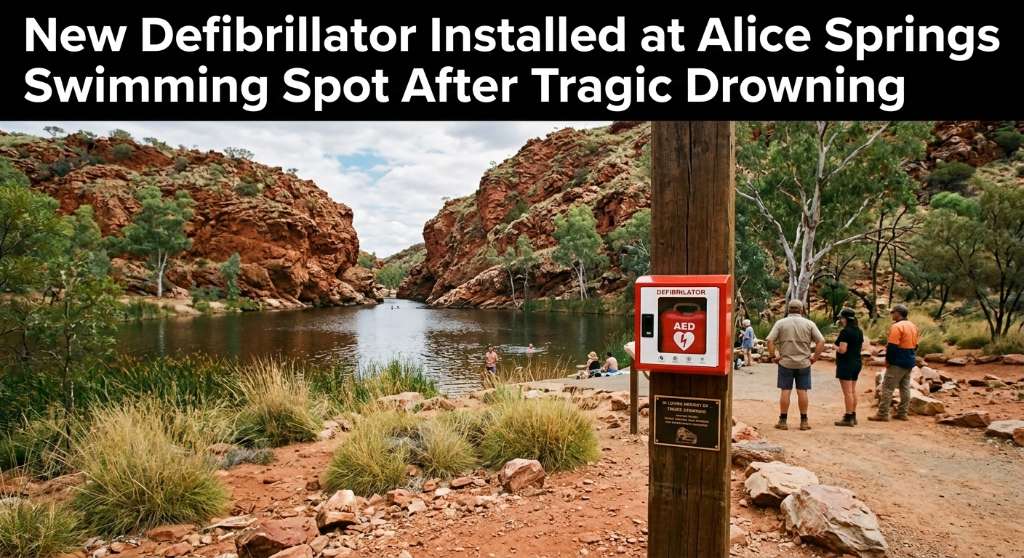
An automated external defibrillator and memorial plaque have been installed at Ellery Creek Big Hole following the death of disability advocate Ellen Fr...
Queensland firefighters spent several hours monitoring a significant grass fire at Mary Kinross Park in Bargara, near Bundaberg, after the blaze broke out on Wednesday evening....