Safety note: Admin approval is an initial review, not a guarantee that every detail is correct. Check important or urgent claims with official sources and report anything inaccurate or unsafe.
Source and credit: Contributor's own report
Queensland’s Revised E-Bike Laws Spark Backlash Over Confusion and Enforcement Concerns
Smart summary
Queensland’s updated e-bike laws have come under heavy criticism from riders, industry groups and political opponents, with concerns growing that the revised regulations are confusing, difficult to enforce and may fai...
Queensland’s updated e-bike laws have come under heavy criticism from riders, industry groups and political opponents, with concerns growing that the revised regulations are confusing, difficult to enforce and may fail to address the underlying safety issues linked to the rapid rise of electric bikes. The controversy follows the state government’s announcement of changes aimed at improving safety standards and reducing the risks associated with high-powered e-bikes on public roads and pathways. The reforms were introduced in response to increasing reports of accidents involving electric bikes and growing community concern about riders using modified or high-speed devices that exceed legal limits.
Authorities argue the new rules are designed to provide greater clarity around what constitutes a legal e-bike while strengthening enforcement powers against unlawful modifications and dangerous riding behaviour. However, critics say the changes have instead created uncertainty for consumers and businesses. Some industry representatives argue the revised laws blur the distinction between legal pedal-assisted bicycles and more powerful electric-powered vehicles, making it harder for riders to understand their obligations.
Retailers have also expressed concerns that customers may now be unsure about which products can legally be used in Queensland. The backlash intensified after experts and advocacy groups questioned whether the regulations adequately addressed enforcement challenges. Opponents argue that while the government has focused on changing definitions and technical standards, authorities may still struggle to identify illegal modifications and monitor compliance in practice.
Some critics described the rollout as poorly executed, claiming policymakers failed to consult sufficiently with industry stakeholders before implementing the reforms. Road safety advocates remain divided over the changes. Supporters believe tighter rules are necessary to protect pedestrians, cyclists and motorists as the popularity of e-bikes continues to grow across Queensland.
They point to rising injury rates and incidents involving high-speed devices as evidence that stronger oversight is needed. Others, however, warn that excessive regulation could discourage people from using e-bikes as an environmentally friendly transport option. Cycling groups argue electric bicycles play an increasingly important role in reducing traffic congestion, improving urban mobility and encouraging active transport.
They fear confusion surrounding the new laws may undermine public confidence in e-bike ownership. The issue has also become a political flashpoint, with opposition figures accusing the government of mishandling the reforms. Critics say the state had an opportunity to create a clearer and more practical framework but instead produced a system that leaves important questions unanswered.
Some have argued the government “had one job” — to simplify the rules — but instead created further complexity. Queensland has experienced significant growth in e-bike usage in recent years, particularly in Brisbane and other major urban centres. Advances in battery technology, rising fuel costs and growing interest in sustainable transport have contributed to increasing demand for electric bicycles among commuters and recreational riders alike.
Transport experts say the long-term success of e-bike regulation will depend on balancing safety, practicality and public understanding. Clear education campaigns, retailer guidance and effective enforcement are expected to play a crucial role in determining whether the reforms achieve their intended outcomes. As debate continues, the government has defended the changes as necessary for public safety and indicated it will continue monitoring their impact.
Nevertheless, calls for further clarification and potential amendments are likely to remain a major issue as Queensland adapts to the evolving role of electric bikes in the transport network.
E-BikeQueenslandElectricGovernmentSafety
Queensland’s updated e-bike laws have come under heavy criticism from riders, industry groups and political opponents, with concerns growing that the revised regulations are confusing, difficult to enforce and may fail to address the underlying safety issues linked to the rapid rise of electric bikes. The controversy follows the state government’s announcement of changes aimed at improving safety standards and reducing the risks associated with high-powered e-bikes on public roads and pathways. The reforms were introduced in response to increasing reports of accidents involving electric bikes and growing community concern about riders using modified or high-speed devices that exceed legal limits.
Authorities argue the new rules are designed to provide greater clarity around what constitutes a legal e-bike while strengthening enforcement powers against unlawful modifications and dangerous riding behaviour. However, critics say the changes have instead created uncertainty for consumers and businesses. Some industry representatives argue the revised laws blur the distinction between legal pedal-assisted bicycles and more powerful electric-powered vehicles, making it harder for riders to understand their obligations.
Retailers have also expressed concerns that customers may now be unsure about which products can legally be used in Queensland. The backlash intensified after experts and advocacy groups questioned whether the regulations adequately addressed enforcement challenges. Opponents argue that while the government has focused on changing definitions and technical standards, authorities may still struggle to identify illegal modifications and monitor compliance in practice.
Some critics described the rollout as poorly executed, claiming policymakers failed to consult sufficiently with industry stakeholders before implementing the reforms. Road safety advocates remain divided over the changes. Supporters believe tighter rules are necessary to protect pedestrians, cyclists and motorists as the popularity of e-bikes continues to grow across Queensland.
They point to rising injury rates and incidents involving high-speed devices as evidence that stronger oversight is needed. Others, however, warn that excessive regulation could discourage people from using e-bikes as an environmentally friendly transport option. Cycling groups argue electric bicycles play an increasingly important role in reducing traffic congestion, improving urban mobility and encouraging active transport.
They fear confusion surrounding the new laws may undermine public confidence in e-bike ownership. The issue has also become a political flashpoint, with opposition figures accusing the government of mishandling the reforms. Critics say the state had an opportunity to create a clearer and more practical framework but instead produced a system that leaves important questions unanswered.
Some have argued the government “had one job” — to simplify the rules — but instead created further complexity. Queensland has experienced significant growth in e-bike usage in recent years, particularly in Brisbane and other major urban centres. Advances in battery technology, rising fuel costs and growing interest in sustainable transport have contributed to increasing demand for electric bicycles among commuters and recreational riders alike.
Transport experts say the long-term success of e-bike regulation will depend on balancing safety, practicality and public understanding. Clear education campaigns, retailer guidance and effective enforcement are expected to play a crucial role in determining whether the reforms achieve their intended outcomes. As debate continues, the government has defended the changes as necessary for public safety and indicated it will continue monitoring their impact.
Nevertheless, calls for further clarification and potential amendments are likely to remain a major issue as Queensland adapts to the evolving role of electric bikes in the transport network.
The Federal Government is preparing new measures targeting temporary visas, visa overstayers, international students and visa-hopping, while maintaining...
One Nation’s proposed major reduction in migration has triggered warnings that a sharp cut to population growth could weaken Australia’s economy and cre...
Queensland's emerging football prospects are coming together for a three-day Brisbane Lions State Academy showcase, giving young players an opportunity...
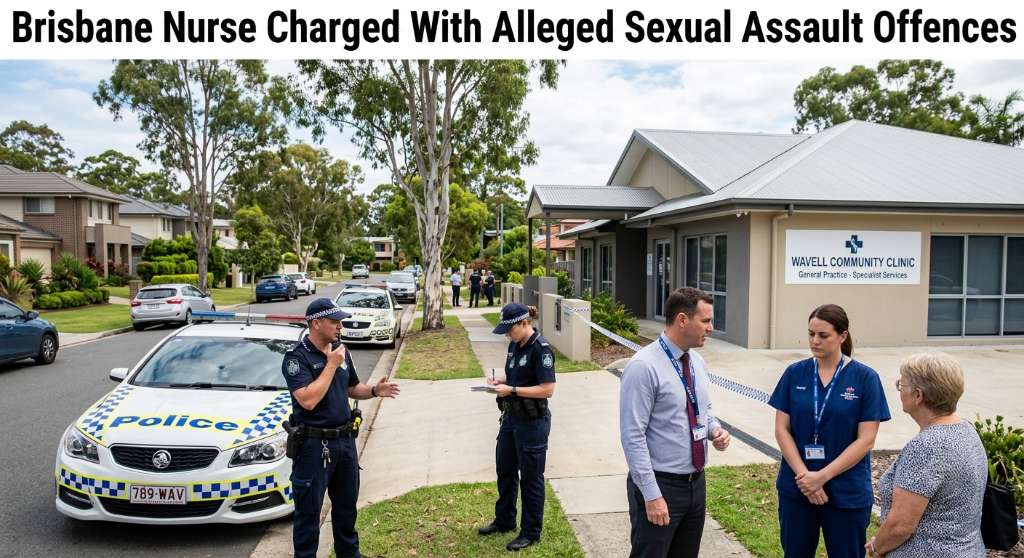
A Wavell Heights enrolled nurse has been charged with four counts of alleged sexual assault and one count of wilful exposure, with his professional regi...
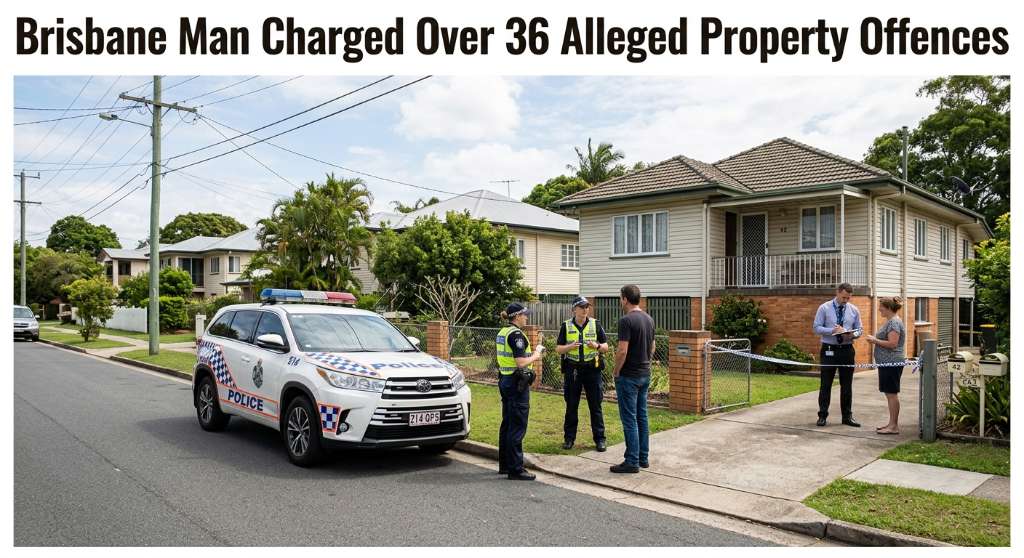
A 24-year-old Carina Heights man has been charged with 36 offences following an investigation into alleged break-ins, vehicle offences and other propert...
Cairns Regional Council has unanimously voted to seek $400,000 in Queensland Government funding for a program designed to connect local businesses with the region’s growing film...
An automated external defibrillator and memorial plaque have been installed at Ellery Creek Big Hole following the death of disability advocate Ellen Fr...
Queensland firefighters spent several hours monitoring a significant grass fire at Mary Kinross Park in Bargara, near Bundaberg, after the blaze broke out on Wednesday evening....