Safety note: Admin approval is an initial review, not a guarantee that every detail is correct. Check important or urgent claims with official sources and report anything inaccurate or unsafe.
Source and credit: Contributor's own report
Queensland to Launch Inquiry Into Dysfunctional Councils and Councillor Conduct
Smart summary
The Queensland Government is set to establish a new inquiry into councillor conduct and local government governance, amid growing concerns that persistent disputes between elected representatives are disrupting counci...
The inquiry is expected to review the current councillor complaints framework, including the role of the Independent Assessor and existing conduct management systems. Previous parliamentary reviews have examined aspects of Queensland's councillor conduct process, identifying opportunities to improve how complaints are investigated and resolved.
Government officials argue that while robust debate is a normal part of democratic decision-making, prolonged internal conflict can impede councils' ability to function effectively. When disputes dominate council proceedings, important community projects, planning decisions and service delivery initiatives can be delayed or disrupted. The review will likely seek input from local government representatives, governance experts, community organisations and residents. Stakeholders are expected to provide feedback on whether existing legislation adequately addresses dysfunctional council behaviour and whether additional powers or intervention mechanisms may be required.
Queensland has previously intervened in local government governance matters when serious concerns arose. Past inquiries and reviews have examined issues ranging from councillor conduct complaints to broader governance failures within councils. These experiences are expected to inform discussions during the new inquiry.
Supporters of the review argue that stronger governance arrangements could improve transparency, accountability and public confidence in local government institutions. They contend that residents expect elected representatives to focus on community outcomes rather than internal disputes. Critics, however, caution against reforms that could unnecessarily restrict political debate or increase bureaucratic oversight. Some local government advocates argue that disagreements among councillors are an inevitable part of representative democracy and should not automatically trigger intervention from higher levels of government. The inquiry is also expected to explore whether existing disciplinary measures are appropriate and whether councils require additional support to resolve disputes before they become entrenched. Governance experts note that mediation, leadership development and clearer behavioural standards are among the options that could be considered.
Queensland's local government sector oversees billions of dollars in public assets and infrastructure while delivering services to communities across the state. Ensuring councils operate effectively is regarded as a key component of maintaining public trust and supporting regional development.
The government's decision to pursue an inquiry reflects growing recognition that governance challenges can have significant consequences for communities when councils become distracted by internal conflict. Officials hope the review will identify practical reforms that strengthen council performance while preserving democratic accountability. Findings and recommendations from the inquiry are expected to help shape future local government policy in Queensland. The review could ultimately lead to legislative changes, revised conduct standards or new governance measures designed to improve the effectiveness of councils and reduce the impact of persistent councillor disputes on local communities.
GovernmentCouncilsGovernanceInquiryConduct
The inquiry is expected to review the current councillor complaints framework, including the role of the Independent Assessor and existing conduct management systems. Previous parliamentary reviews have examined aspects of Queensland's councillor conduct process, identifying opportunities to improve how complaints are investigated and resolved.
Government officials argue that while robust debate is a normal part of democratic decision-making, prolonged internal conflict can impede councils' ability to function effectively. When disputes dominate council proceedings, important community projects, planning decisions and service delivery initiatives can be delayed or disrupted. The review will likely seek input from local government representatives, governance experts, community organisations and residents. Stakeholders are expected to provide feedback on whether existing legislation adequately addresses dysfunctional council behaviour and whether additional powers or intervention mechanisms may be required.
Queensland has previously intervened in local government governance matters when serious concerns arose. Past inquiries and reviews have examined issues ranging from councillor conduct complaints to broader governance failures within councils. These experiences are expected to inform discussions during the new inquiry.
Supporters of the review argue that stronger governance arrangements could improve transparency, accountability and public confidence in local government institutions. They contend that residents expect elected representatives to focus on community outcomes rather than internal disputes. Critics, however, caution against reforms that could unnecessarily restrict political debate or increase bureaucratic oversight. Some local government advocates argue that disagreements among councillors are an inevitable part of representative democracy and should not automatically trigger intervention from higher levels of government. The inquiry is also expected to explore whether existing disciplinary measures are appropriate and whether councils require additional support to resolve disputes before they become entrenched. Governance experts note that mediation, leadership development and clearer behavioural standards are among the options that could be considered.
Queensland's local government sector oversees billions of dollars in public assets and infrastructure while delivering services to communities across the state. Ensuring councils operate effectively is regarded as a key component of maintaining public trust and supporting regional development.
The government's decision to pursue an inquiry reflects growing recognition that governance challenges can have significant consequences for communities when councils become distracted by internal conflict. Officials hope the review will identify practical reforms that strengthen council performance while preserving democratic accountability. Findings and recommendations from the inquiry are expected to help shape future local government policy in Queensland. The review could ultimately lead to legislative changes, revised conduct standards or new governance measures designed to improve the effectiveness of councils and reduce the impact of persistent councillor disputes on local communities.
The Federal Government is preparing new measures targeting temporary visas, visa overstayers, international students and visa-hopping, while maintaining...
One Nation’s proposed major reduction in migration has triggered warnings that a sharp cut to population growth could weaken Australia’s economy and cre...
Queensland's emerging football prospects are coming together for a three-day Brisbane Lions State Academy showcase, giving young players an opportunity...
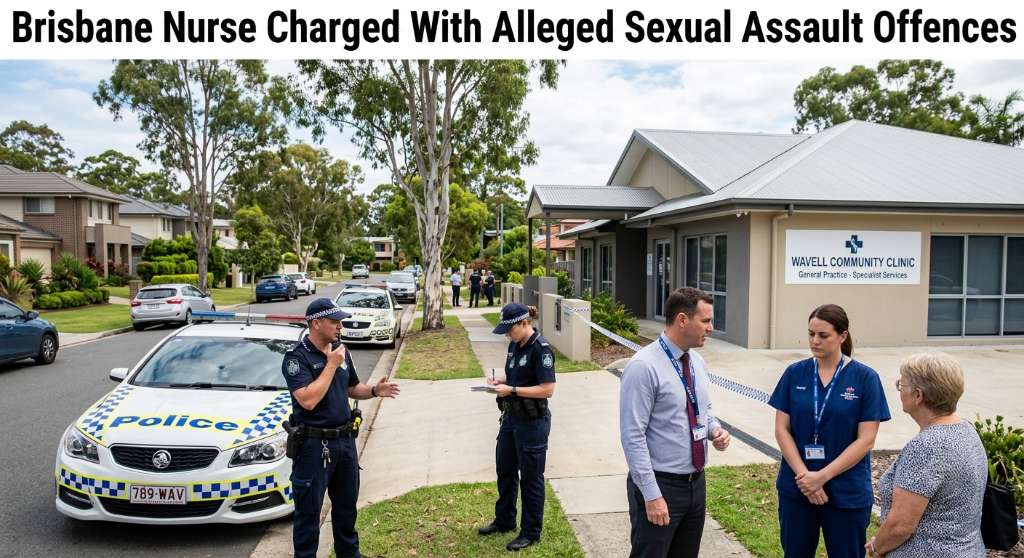
A Wavell Heights enrolled nurse has been charged with four counts of alleged sexual assault and one count of wilful exposure, with his professional regi...
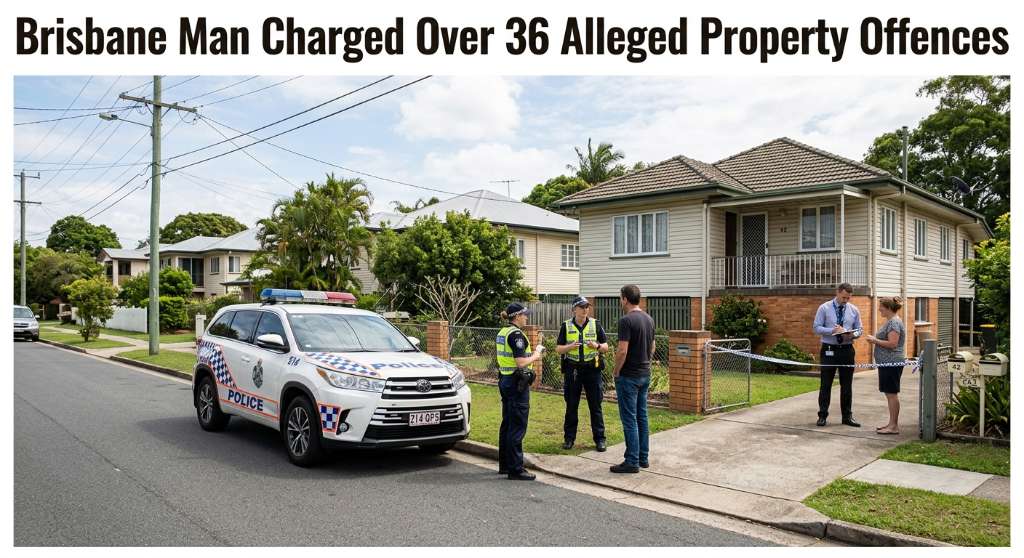
A 24-year-old Carina Heights man has been charged with 36 offences following an investigation into alleged break-ins, vehicle offences and other propert...
Cairns Regional Council has unanimously voted to seek $400,000 in Queensland Government funding for a program designed to connect local businesses with the region’s growing film...
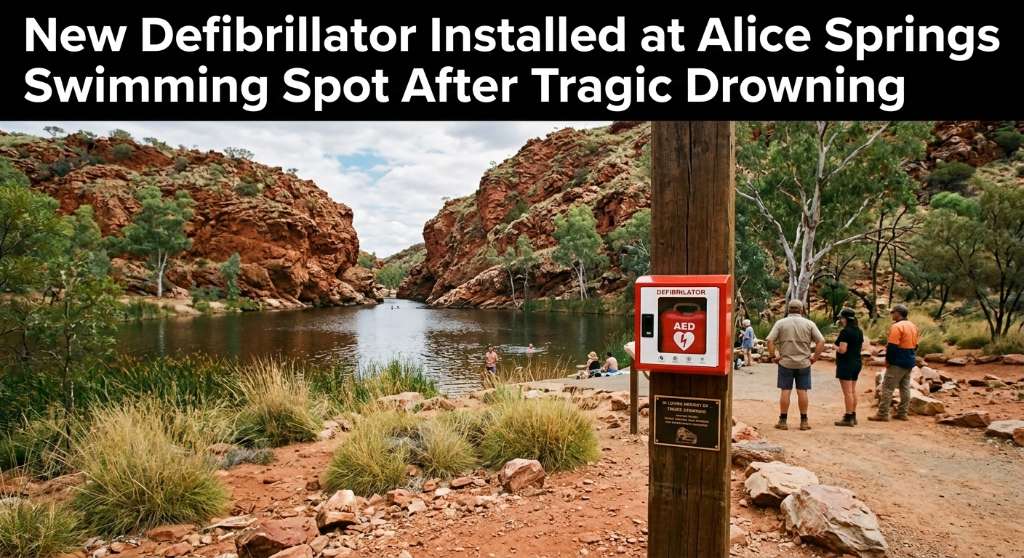
An automated external defibrillator and memorial plaque have been installed at Ellery Creek Big Hole following the death of disability advocate Ellen Fr...
Queensland firefighters spent several hours monitoring a significant grass fire at Mary Kinross Park in Bargara, near Bundaberg, after the blaze broke out on Wednesday evening....