Safety note: Admin approval is an initial review, not a guarantee that every detail is correct. Check important or urgent claims with official sources and report anything inaccurate or unsafe.
Source and credit: Contributor's own report
Sheikh Abdulghani Albaf challenges NSW education ruling in Supreme Court after principal status dispute - Young, NSW
Smart summary
Sheikh Abdulghani Albaf has taken legal action against the NSW Education Standards Authority after being found not fit to remain principal of New Madinah College, with the dispute now before the NSW Supreme Court.
The legal dispute involving Sheikh Abdulghani Albaf and the NSW Education Standards Authority (NESA) has moved to the NSW Supreme Court after the education regulator determined he did not meet the requirements to continue as principal of New Madinah College in Young, regional New South Wales.
Sheikh Albaf was appointed principal of New Madinah College in 2024. The school, which provides education from kindergarten through to Year 10, later became the subject of scrutiny from state and federal authorities following concerns about comments made on a social media account associated with him.
NESA launched an investigation into the school's leadership, policies and procedures. After reviewing evidence, the regulator's registration committee determined that Sheikh Albaf did not meet the "fit and proper person" requirements expected for a school principal.
The education authority said its decision was based on concerns regarding a pattern of public comments and behaviour that it considered inconsistent with the responsibilities of a school leader. NESA stated that a principal plays an important role in setting the ethical and cultural standards of a school community.
Following the decision, Sheikh Albaf stood aside from his role while pursuing legal action. His solicitor confirmed that proceedings had been started in the NSW Supreme Court, with the matter scheduled for directions hearings.
The dispute has raised broader questions about the responsibilities of school leaders, freedom of expression and the standards expected of people holding leadership positions in educational institutions. School regulators across Australia require principals to demonstrate professional conduct and maintain environments that support student safety, inclusion and community confidence.
NESA warned that if Sheikh Albaf remained in the role and continued as a responsible person for the college, the school could face further regulatory action, including possible cancellation of its registration.
New Madinah College has previously stated that it is committed to meeting regulatory requirements and providing education for students in its community. The school’s future registration status will depend on the outcome of the legal proceedings and any further decisions by education authorities.
The case comes amid wider national discussions about the role of private schools, governance standards and the balance between religious freedom and obligations placed on educational leaders. Independent schools in NSW must comply with registration requirements established by NESA, including standards relating to leadership, student wellbeing and community safety.
The Supreme Court proceedings will examine the legal arguments surrounding NESA’s decision and whether the regulator followed the correct process in reaching its determination. The court has not yet made a final ruling on the matter.
As the case continues, students, families and the wider Young community are awaiting further developments. Any final decision could have implications for school governance processes and how education authorities assess leadership suitability in registered schools across New South Wales.
SchoolEducationAlbafNesaSheikh
The legal dispute involving Sheikh Abdulghani Albaf and the NSW Education Standards Authority (NESA) has moved to the NSW Supreme Court after the education regulator determined he did not meet the requirements to continue as principal of New Madinah College in Young, regional New South Wales.
Sheikh Albaf was appointed principal of New Madinah College in 2024. The school, which provides education from kindergarten through to Year 10, later became the subject of scrutiny from state and federal authorities following concerns about comments made on a social media account associated with him.
NESA launched an investigation into the school's leadership, policies and procedures. After reviewing evidence, the regulator's registration committee determined that Sheikh Albaf did not meet the "fit and proper person" requirements expected for a school principal.
The education authority said its decision was based on concerns regarding a pattern of public comments and behaviour that it considered inconsistent with the responsibilities of a school leader. NESA stated that a principal plays an important role in setting the ethical and cultural standards of a school community.
Following the decision, Sheikh Albaf stood aside from his role while pursuing legal action. His solicitor confirmed that proceedings had been started in the NSW Supreme Court, with the matter scheduled for directions hearings.
The dispute has raised broader questions about the responsibilities of school leaders, freedom of expression and the standards expected of people holding leadership positions in educational institutions. School regulators across Australia require principals to demonstrate professional conduct and maintain environments that support student safety, inclusion and community confidence.
NESA warned that if Sheikh Albaf remained in the role and continued as a responsible person for the college, the school could face further regulatory action, including possible cancellation of its registration.
New Madinah College has previously stated that it is committed to meeting regulatory requirements and providing education for students in its community. The school’s future registration status will depend on the outcome of the legal proceedings and any further decisions by education authorities.
The case comes amid wider national discussions about the role of private schools, governance standards and the balance between religious freedom and obligations placed on educational leaders. Independent schools in NSW must comply with registration requirements established by NESA, including standards relating to leadership, student wellbeing and community safety.
The Supreme Court proceedings will examine the legal arguments surrounding NESA’s decision and whether the regulator followed the correct process in reaching its determination. The court has not yet made a final ruling on the matter.
As the case continues, students, families and the wider Young community are awaiting further developments. Any final decision could have implications for school governance processes and how education authorities assess leadership suitability in registered schools across New South Wales.
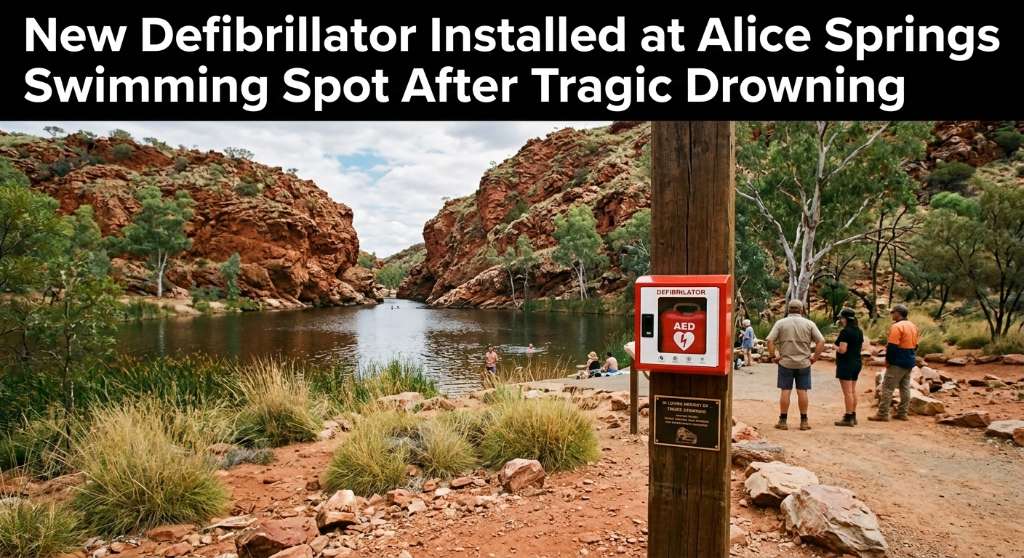
An automated external defibrillator and memorial plaque have been installed at Ellery Creek Big Hole following the death of disability advocate Ellen Fr...
Bathurst New South Wales · Community News · 17 Sep 2026
Kerry “Pecky” Peck, a long-standing Bathurst radio personality, has been inducted into the Bathurst Business Hall of Fame in recognition of his extensive contribution to the loc...
A new specialist family-violence support model has been introduced in Ballarat, with dedicated workers now embedded alongside Victoria Police to help people experiencing family...
Orange New South Wales · Community News · 17 Sep 2026
Orange City Council has elected a new Deputy Mayor for the next two years, with the decision announced today, 17 September 2026. The council said the election took place during...
A 36-year-old man has been charged after investigators allegedly found fraudulent identification documents, cloned number plates, cash and drug-manufact...
A Sydney court has heard that a man sent 249 messages to a former partner within 24 hours, with the messages treated as a single alleged breach of an ap...
A high-profile athlete has returned to court and told the hearing that an alleged unwanted kiss by former broadcaster Alan Jones remained difficult to f...
Work on the $150 million Sydney Town Hall Square project has been paused after the NSW Planning Minister referred the development for review by the Inde...
Cairns Regional Council has unanimously voted to seek $400,000 in Queensland Government funding for a program designed to connect local businesses with the region’s growing film...
An automated external defibrillator and memorial plaque have been installed at Ellery Creek Big Hole following the death of disability advocate Ellen Fr...
Queensland firefighters spent several hours monitoring a significant grass fire at Mary Kinross Park in Bargara, near Bundaberg, after the blaze broke out on Wednesday evening....