Safety note: Admin approval is an initial review, not a guarantee that every detail is correct. Check important or urgent claims with official sources and report anything inaccurate or unsafe.
Source and credit: Contributor's own report
Traditional Owners Mourn as Construction Begins on Brisbane’s Olympic Stadium
Smart summary
Construction has officially begun on Brisbane’s main stadium for the 2032 Olympic and Paralympic Games, but the start of work has been met with grief, anger, and renewed resistance from Traditional Owners and Indigeno...
Construction has officially begun on Brisbane’s main stadium for the 2032 Olympic and Paralympic Games, but the start of work has been met with grief, anger, and renewed resistance from Traditional Owners and Indigenous activists who say the project threatens culturally significant land. The new 63,000-seat stadium is being built at Victoria Park, known to many Indigenous groups as Barrambin, a site regarded as one of the most important Aboriginal cultural landscapes in central Brisbane. Queensland Premier David Crisafulli marked the beginning of construction on Monday after the Games Independent Infrastructure and Coordination Authority (GIICA) formally took control of the site.
Fencing was erected around parts of the park and excavation equipment moved in as early works commenced on the multi-billion-dollar venue that will host athletics events and the opening and closing ceremonies of the Brisbane 2032 Games. However, the project has sparked fierce opposition from Traditional Owners, environmental campaigners, and community groups who argue the development will destroy sacred land, mature green space, and culturally significant heritage areas. Indigenous leaders say Barrambin contains ancestral connections, ceremonial sites, burial grounds, and ecological systems that deserve protection.
Protesters have spent months campaigning against the project and established the Goori Camp Embassy within the park to draw attention to their concerns. Tensions escalated in recent days when police dismantled protest camps and removed demonstrators ahead of construction. Several arrests were made during operations to clear the area, although activists quickly regrouped outside the fenced construction zone.
Indigenous representatives have vowed the campaign will continue despite the commencement of building works. The Queensland Government argues the stadium is essential for delivering a successful Olympic Games and will leave a lasting legacy for Brisbane. Officials have described the project as a transformative investment that will provide modern sporting infrastructure, improved public spaces, and long-term economic benefits.
The stadium forms part of a broader $7.1 billion Olympic infrastructure program jointly funded by state and federal governments. Despite those assurances, critics remain concerned about both the cultural impact and the growing cost of the project. The stadium alone is expected to cost around $3.6 billion to $3.8 billion, while questions remain about additional spending required for surrounding transport links, public facilities, and precinct upgrades.
Opposition figures and community groups have called for greater transparency regarding the full financial cost of the Olympic masterplan. Federal Environment Minister Murray Watt recently declined to issue an emergency protection order that would have halted construction under Aboriginal heritage legislation. Instead, the federal government appointed an independent reporter to assess longer-term heritage concerns, a decision that disappointed Indigenous campaigners seeking immediate intervention.
For many Traditional Owners, the issue extends beyond the Olympics themselves. Protest leaders have repeatedly stated they are not opposed to the Games, but oppose building major infrastructure on land they regard as culturally sacred. As construction begins, they fear a significant part of Brisbane’s Indigenous history may be permanently altered.
ConstructionBrisbaneIndigenousStadiumGames
Construction has officially begun on Brisbane’s main stadium for the 2032 Olympic and Paralympic Games, but the start of work has been met with grief, anger, and renewed resistance from Traditional Owners and Indigenous activists who say the project threatens culturally significant land. The new 63,000-seat stadium is being built at Victoria Park, known to many Indigenous groups as Barrambin, a site regarded as one of the most important Aboriginal cultural landscapes in central Brisbane. Queensland Premier David Crisafulli marked the beginning of construction on Monday after the Games Independent Infrastructure and Coordination Authority (GIICA) formally took control of the site.
Fencing was erected around parts of the park and excavation equipment moved in as early works commenced on the multi-billion-dollar venue that will host athletics events and the opening and closing ceremonies of the Brisbane 2032 Games. However, the project has sparked fierce opposition from Traditional Owners, environmental campaigners, and community groups who argue the development will destroy sacred land, mature green space, and culturally significant heritage areas. Indigenous leaders say Barrambin contains ancestral connections, ceremonial sites, burial grounds, and ecological systems that deserve protection.
Protesters have spent months campaigning against the project and established the Goori Camp Embassy within the park to draw attention to their concerns. Tensions escalated in recent days when police dismantled protest camps and removed demonstrators ahead of construction. Several arrests were made during operations to clear the area, although activists quickly regrouped outside the fenced construction zone.
Indigenous representatives have vowed the campaign will continue despite the commencement of building works. The Queensland Government argues the stadium is essential for delivering a successful Olympic Games and will leave a lasting legacy for Brisbane. Officials have described the project as a transformative investment that will provide modern sporting infrastructure, improved public spaces, and long-term economic benefits.
The stadium forms part of a broader $7.1 billion Olympic infrastructure program jointly funded by state and federal governments. Despite those assurances, critics remain concerned about both the cultural impact and the growing cost of the project. The stadium alone is expected to cost around $3.6 billion to $3.8 billion, while questions remain about additional spending required for surrounding transport links, public facilities, and precinct upgrades.
Opposition figures and community groups have called for greater transparency regarding the full financial cost of the Olympic masterplan. Federal Environment Minister Murray Watt recently declined to issue an emergency protection order that would have halted construction under Aboriginal heritage legislation. Instead, the federal government appointed an independent reporter to assess longer-term heritage concerns, a decision that disappointed Indigenous campaigners seeking immediate intervention.
For many Traditional Owners, the issue extends beyond the Olympics themselves. Protest leaders have repeatedly stated they are not opposed to the Games, but oppose building major infrastructure on land they regard as culturally sacred. As construction begins, they fear a significant part of Brisbane’s Indigenous history may be permanently altered.
Queensland's emerging football prospects are coming together for a three-day Brisbane Lions State Academy showcase, giving young players an opportunity...
Twenty leading NPL Queensland players have been selected for two upcoming matches against Brisbane Roar as part of the 2026 Mitre Festival of Football.
Queensland's emerging football prospects are coming together for a three-day Brisbane Lions State Academy showcase, giving young players an opportunity...
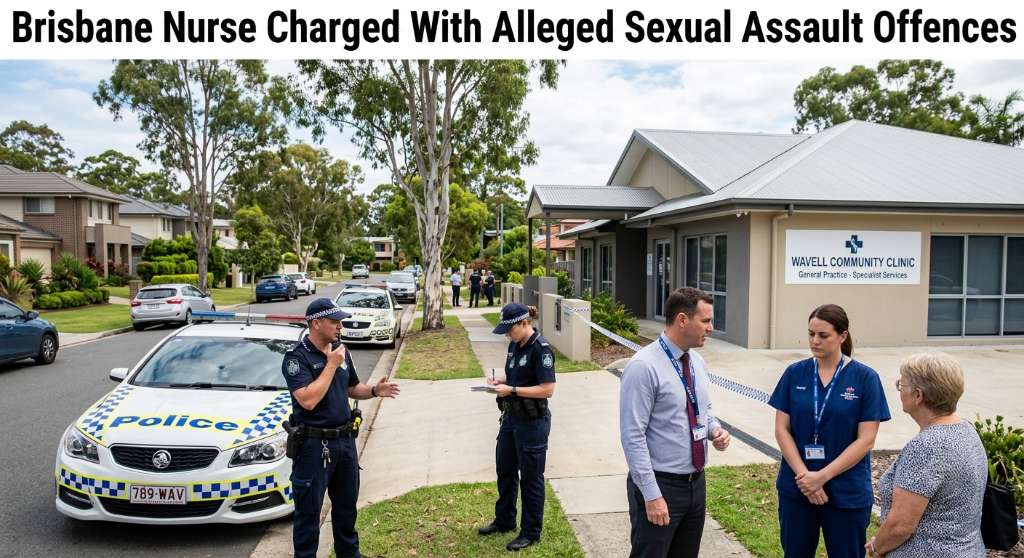
A Wavell Heights enrolled nurse has been charged with four counts of alleged sexual assault and one count of wilful exposure, with his professional regi...
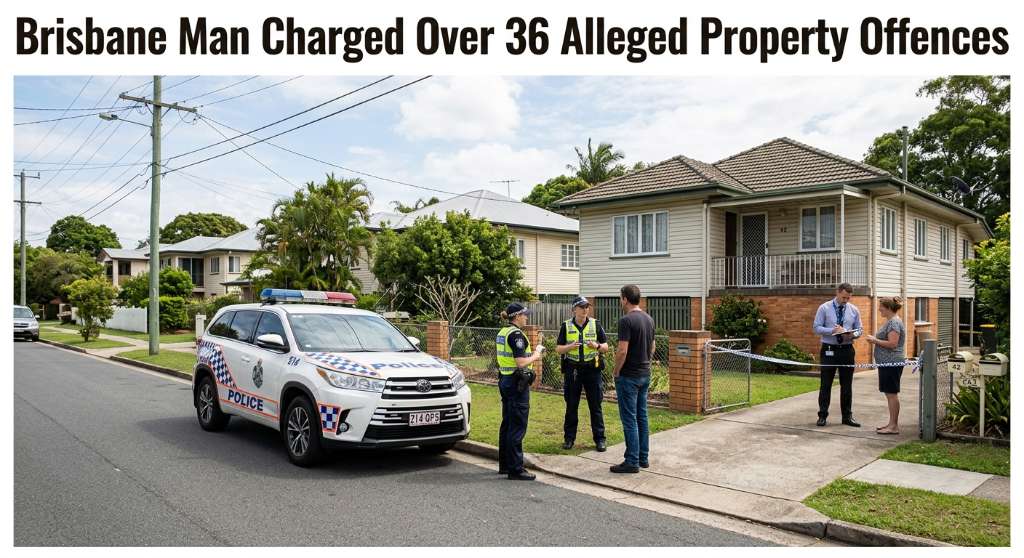
A 24-year-old Carina Heights man has been charged with 36 offences following an investigation into alleged break-ins, vehicle offences and other propert...
Cairns Regional Council has unanimously voted to seek $400,000 in Queensland Government funding for a program designed to connect local businesses with the region’s growing film...
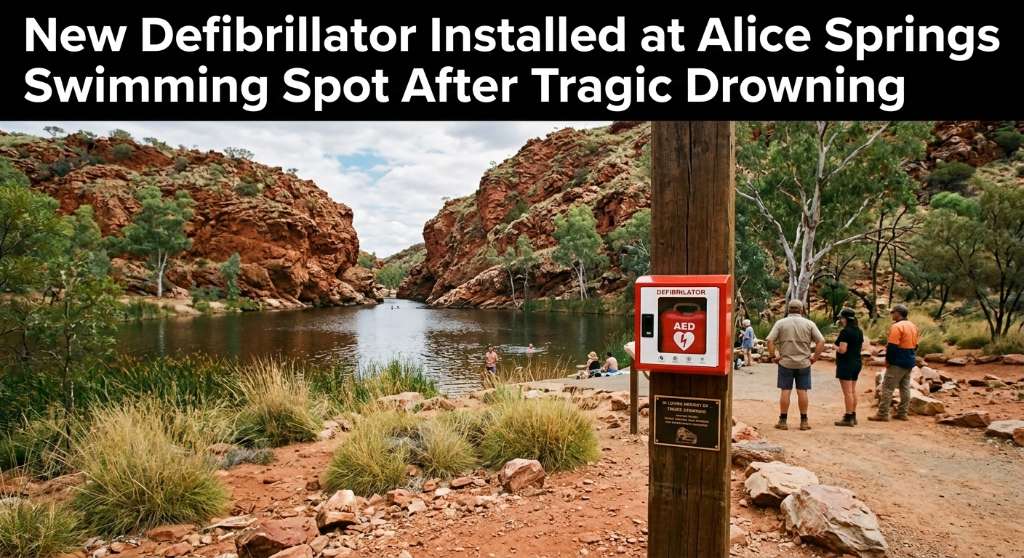
An automated external defibrillator and memorial plaque have been installed at Ellery Creek Big Hole following the death of disability advocate Ellen Fr...
Queensland firefighters spent several hours monitoring a significant grass fire at Mary Kinross Park in Bargara, near Bundaberg, after the blaze broke out on Wednesday evening....