Two Cows Found Living Alone on a Tropical Queensland Island After Major Flood
By Chloe · Published 28 Oct 2026 · Updated 28 Oct 2026
Snapper Island, QLD
Safety note: Admin approval is an initial review, not a guarantee that every detail is correct. Check important or urgent claims with official sources and report anything inaccurate or unsafe.
Source and credit: Contributor's own report
Two Cows Found Living Alone on a Tropical Queensland Island After Major Flood - Snapper Island, QLD
Smart summary
Two Brahman cattle have been spotted on Snapper Island off the Daintree coast, prompting authorities to search for their owners and work out how to retrieve them.
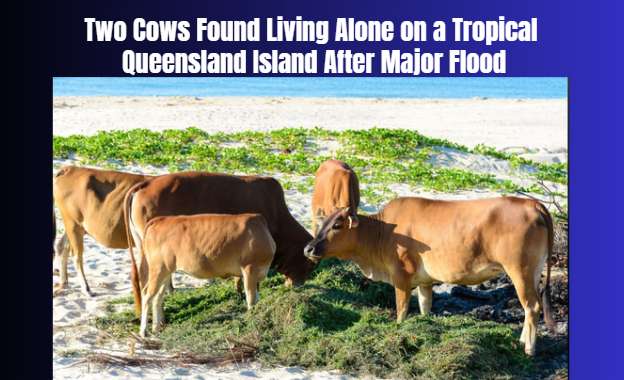
Two Brahman cows have been discovered living on a remote tropical island in Far North Queensland, months after major flooding may have swept them away from the mainland. The unexpected discovery has prompted a search for the cattle’s owners and raised questions about how the animals survived in an isolated environment.
The cows were spotted by Wonga Beach resident Jayne Miller during a family visit to Snapper Island, approximately three kilometres from the mouth of the Daintree River. Miller regularly visits the island, which is part of Hope Islands National Park, but had not previously noticed the cattle. She alerted park rangers after discovering the animals among the island’s dense vegetation.
Miller believes the cows may have been swept out to sea during major flooding in March. The flood caused significant disruption in the region, sweeping away boats, a pontoon and a car ferry. The cattle may have entered the water during the flooding and eventually reached the island, although authorities have not confirmed exactly how they arrived there.
The animals are Brahman cattle, a breed commonly recognised by its distinctive hump and loose skin. Both cows appeared to be in reasonable condition when they were seen. Miller noticed ear tags on the animals, suggesting they may be identifiable, but she could not see their brands clearly enough to determine who owns them.
During the encounter, Miller attempted to provide assistance using the supplies she had available. She took approximately four litres of water and some food towards one of the cows before noticing a second animal emerging from the trees. She later returned to the island and left additional water and molasses for them.
The Queensland government’s environment department said it was trying to identify the owners. Locating the cattle is only the first step, as safely removing them from the island may prove difficult. Snapper Island is rugged, covered in rainforest and not easily accessible from the mainland. Retrieving two large animals would likely require a suitable vessel, experienced cattle handlers and careful planning.
Miller said signs of the animals were visible across parts of the island, including trampled grass and cattle droppings. These signs suggested that the cows had been finding enough vegetation to eat. The region had experienced a wet year, potentially improving access to fresh water and grazing.
Despite their apparent survival, remaining on the island carries risks. The surrounding waters are home to crocodiles, and the animals could face difficulties if food or fresh water becomes scarce. Their exact arrival date and the full circumstances of their survival remain uncertain.
The discovery has attracted attention because it combines an unusual wildlife sighting with the consequences of severe weather. It also highlights the challenges authorities can face when livestock become stranded in remote national parks. Officials must balance the animals’ welfare with the practical difficulties of reaching and safely transporting them.
For now, identifying the cattle’s owners and developing a safe retrieval plan remain the main priorities. The cows’ unexpected island stay is a reminder of how flooding can have consequences long after the immediate emergency has passed.
IslandAnimalsCattleCowsMiller
Two Brahman cows have been discovered living on a remote tropical island in Far North Queensland, months after major flooding may have swept them away from the mainland. The unexpected discovery has prompted a search for the cattle’s owners and raised questions about how the animals survived in an isolated environment.
The cows were spotted by Wonga Beach resident Jayne Miller during a family visit to Snapper Island, approximately three kilometres from the mouth of the Daintree River. Miller regularly visits the island, which is part of Hope Islands National Park, but had not previously noticed the cattle. She alerted park rangers after discovering the animals among the island’s dense vegetation.
Miller believes the cows may have been swept out to sea during major flooding in March. The flood caused significant disruption in the region, sweeping away boats, a pontoon and a car ferry. The cattle may have entered the water during the flooding and eventually reached the island, although authorities have not confirmed exactly how they arrived there.
The animals are Brahman cattle, a breed commonly recognised by its distinctive hump and loose skin. Both cows appeared to be in reasonable condition when they were seen. Miller noticed ear tags on the animals, suggesting they may be identifiable, but she could not see their brands clearly enough to determine who owns them.
During the encounter, Miller attempted to provide assistance using the supplies she had available. She took approximately four litres of water and some food towards one of the cows before noticing a second animal emerging from the trees. She later returned to the island and left additional water and molasses for them.
The Queensland government’s environment department said it was trying to identify the owners. Locating the cattle is only the first step, as safely removing them from the island may prove difficult. Snapper Island is rugged, covered in rainforest and not easily accessible from the mainland. Retrieving two large animals would likely require a suitable vessel, experienced cattle handlers and careful planning.
Miller said signs of the animals were visible across parts of the island, including trampled grass and cattle droppings. These signs suggested that the cows had been finding enough vegetation to eat. The region had experienced a wet year, potentially improving access to fresh water and grazing.
Despite their apparent survival, remaining on the island carries risks. The surrounding waters are home to crocodiles, and the animals could face difficulties if food or fresh water becomes scarce. Their exact arrival date and the full circumstances of their survival remain uncertain.
The discovery has attracted attention because it combines an unusual wildlife sighting with the consequences of severe weather. It also highlights the challenges authorities can face when livestock become stranded in remote national parks. Officials must balance the animals’ welfare with the practical difficulties of reaching and safely transporting them.
For now, identifying the cattle’s owners and developing a safe retrieval plan remain the main priorities. The cows’ unexpected island stay is a reminder of how flooding can have consequences long after the immediate emergency has passed.
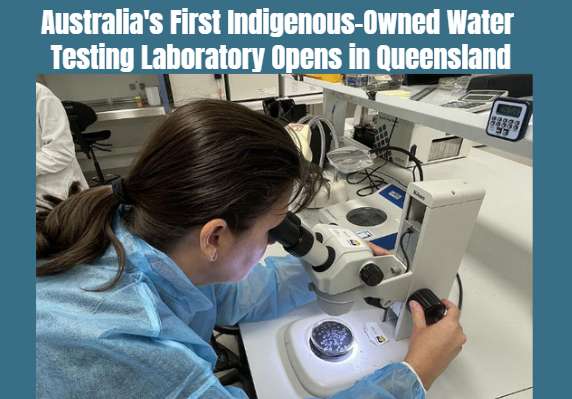
The new laboratory in Bundaberg will allow Indigenous rangers and traditional owner groups to test water locally, strengthening environmental management...
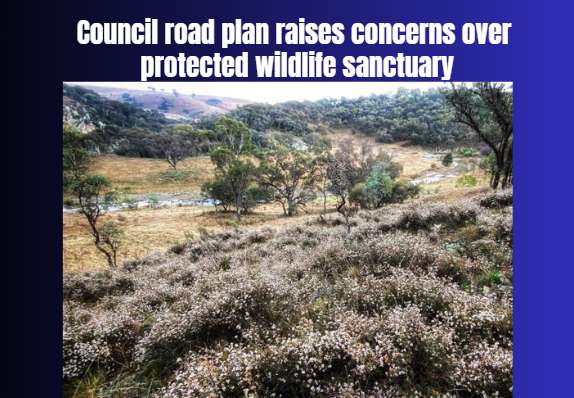
Conservation groups and landowners are opposing a proposed road through a protected sanctuary near Canberra, warning it could damage habitat for threate...
Liquidators have recovered just $8 million from more than $512 million invested in the collapsed First Guardian fund, leaving thousands of Australians u...
The university will introduce stronger in-person assessments and independent audits to help ensure students demonstrate their own knowledge as artificia...
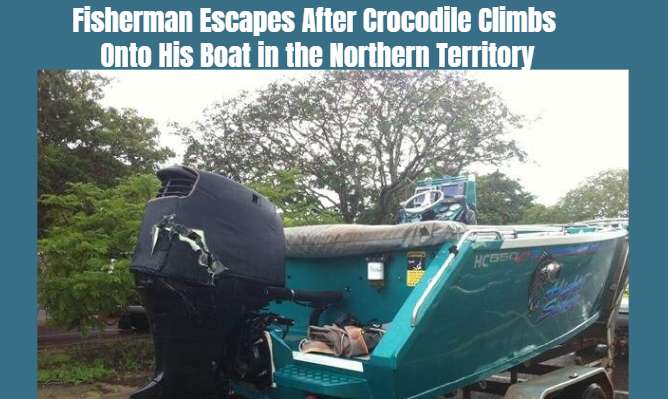
A fisherman escaped unharmed after a large crocodile climbed onto his boat while he was fishing alone on the Mary River, prompting renewed safety warnin...
A filmmaker from Bourke in western New South Wales has taken over leadership of an Indigenous film festival in Paris, creating an opportunity to bring A...
Concerns are growing over the reliability and availability of Australia's public electric vehicle charging network, with thousands of charging points po...
Indigenous women are using traditional weaving and craft-making to strengthen cultural connections, preserve knowledge passed down through generations a...
A psychiatric report presented to South Australia's Supreme Court has raised questions about Tamika Chesser's mental competence in the case involving th...
A freedom of information request has revealed that Gold Coast Council does not hold a copy of the invoice for Mayor Tom Tate's three-day stay at Donald...