Victorian Coalition Proposes New Forest Management and Timber Policy for Gippsland
By Chloe · Published 29 Oct 2026 · Updated 29 Oct 2026
Gippsland, VIC
Safety note: Admin approval is an initial review, not a guarantee that every detail is correct. Check important or urgent claims with official sources and report anything inaccurate or unsafe.
Source and credit: Contributor's own report
Victorian Coalition Proposes New Forest Management and Timber Policy for Gippsland - Gippsland, VIC
Smart summary
The Nationals say their proposal could restore timber-processing jobs in regional Victoria while increasing forest thinning and planned fuel-reduction burning.
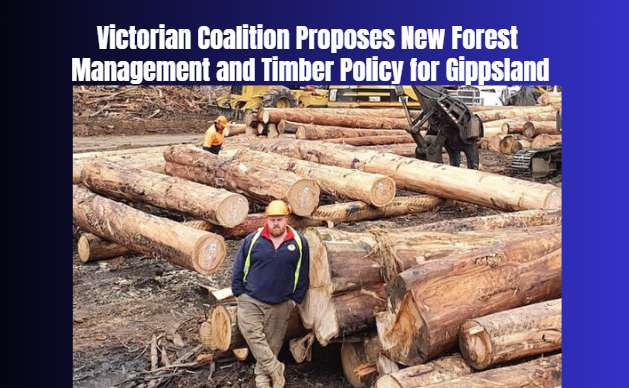
Victoria's Coalition has announced a proposed forest management policy aimed at restoring native timber processing and supporting regional employment in Gippsland. The plan, outlined by Victorian Nationals leader Danny O'Brien on 29 October 2026, combines proposals for timber recovery, forest maintenance and fuel-load reduction across public forests.
Under the proposal, the Coalition would thin vegetation and reduce accumulated fuel across 5,000 hectares of public forest each year. It also proposes doubling planned fuel-reduction burns, which are used to reduce combustible vegetation under controlled conditions. The party says the approach could support regional industries while contributing to forest management and bushfire preparedness.
The timber component would involve Victorian mills processing salvaged timber into products such as sawlogs, firewood and biochar. Sawlogs can be used in timber manufacturing, while firewood provides a source of heating fuel and biochar can be used in certain agricultural and environmental applications. Processing recovered timber locally could help retain more economic activity within regional communities rather than sending material elsewhere.
Gippsland has a history of timber production and associated employment. Sawmills and related businesses can support jobs in processing, transport, equipment maintenance and other services. The proposed policy is intended to address concerns from parts of the industry about access to timber and the future of regional processing facilities.
Australian Sustainable Hardwoods managing director Vince Hurley said the Heyfield timber industry had called for active forest management. The company's comments reflect the interest of timber businesses in policies that provide a clearer approach to forest operations and the use of recovered material.
The proposal also raises environmental questions. Forest management decisions can affect biodiversity, wildlife habitat, vegetation structure and the way forests respond to fire. The Coalition says old-growth timber and trees containing hollows would be protected under its plan. Such trees can provide important habitat for birds, mammals and other wildlife, making their protection a significant consideration in any management program.
Fuel-reduction burning is commonly used as one part of bushfire risk management, but its effectiveness depends on factors including weather, terrain, vegetation and the location of treated areas. Increasing the area managed or the frequency of burns would require planning, suitable conditions and coordination with relevant agencies. Forest thinning also needs to be assessed carefully to understand its impacts on ecosystems and future forest growth.
The announcement is a political proposal rather than an implemented government program. Its details would need further consideration, including how timber recovery would operate, which forest areas would be included and how environmental protections would be monitored.
For Gippsland, the debate connects employment and regional industry with bushfire preparation and conservation. The Coalition argues that more active forest management could help revive timber processing, while the practical consequences would depend on the policy's final design and implementation.
TimberForestWouldManagementProcessing
Victoria's Coalition has announced a proposed forest management policy aimed at restoring native timber processing and supporting regional employment in Gippsland. The plan, outlined by Victorian Nationals leader Danny O'Brien on 29 October 2026, combines proposals for timber recovery, forest maintenance and fuel-load reduction across public forests.
Under the proposal, the Coalition would thin vegetation and reduce accumulated fuel across 5,000 hectares of public forest each year. It also proposes doubling planned fuel-reduction burns, which are used to reduce combustible vegetation under controlled conditions. The party says the approach could support regional industries while contributing to forest management and bushfire preparedness.
The timber component would involve Victorian mills processing salvaged timber into products such as sawlogs, firewood and biochar. Sawlogs can be used in timber manufacturing, while firewood provides a source of heating fuel and biochar can be used in certain agricultural and environmental applications. Processing recovered timber locally could help retain more economic activity within regional communities rather than sending material elsewhere.
Gippsland has a history of timber production and associated employment. Sawmills and related businesses can support jobs in processing, transport, equipment maintenance and other services. The proposed policy is intended to address concerns from parts of the industry about access to timber and the future of regional processing facilities.
Australian Sustainable Hardwoods managing director Vince Hurley said the Heyfield timber industry had called for active forest management. The company's comments reflect the interest of timber businesses in policies that provide a clearer approach to forest operations and the use of recovered material.
The proposal also raises environmental questions. Forest management decisions can affect biodiversity, wildlife habitat, vegetation structure and the way forests respond to fire. The Coalition says old-growth timber and trees containing hollows would be protected under its plan. Such trees can provide important habitat for birds, mammals and other wildlife, making their protection a significant consideration in any management program.
Fuel-reduction burning is commonly used as one part of bushfire risk management, but its effectiveness depends on factors including weather, terrain, vegetation and the location of treated areas. Increasing the area managed or the frequency of burns would require planning, suitable conditions and coordination with relevant agencies. Forest thinning also needs to be assessed carefully to understand its impacts on ecosystems and future forest growth.
The announcement is a political proposal rather than an implemented government program. Its details would need further consideration, including how timber recovery would operate, which forest areas would be included and how environmental protections would be monitored.
For Gippsland, the debate connects employment and regional industry with bushfire preparation and conservation. The Coalition argues that more active forest management could help revive timber processing, while the practical consequences would depend on the policy's final design and implementation.
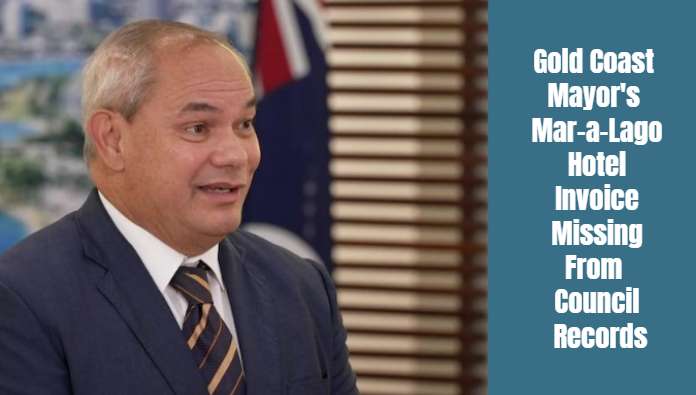
A freedom of information request has revealed that Gold Coast Council does not hold a copy of the invoice for Mayor Tom Tate's three-day stay at Donald...
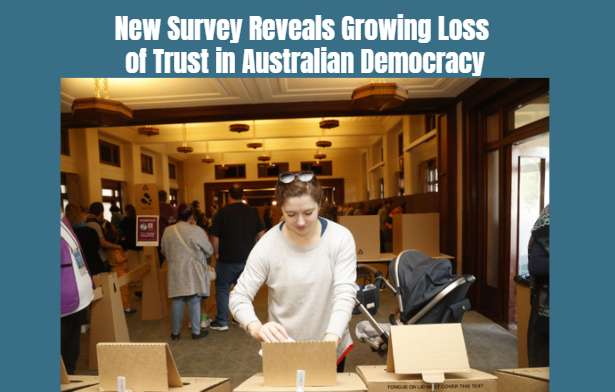
A nationwide survey of 4,000 Australians reveals declining confidence in politicians, growing dissatisfaction with democracy and significant differences...
New figures reveal more than $3 million in government spending on promotional merchandise, including unusual items such as condoms and lollies, raising...
Australia's antisemitism envoy has recommended stronger protest rules, additional visa checks and independent oversight of public broadcasters as part o...
A fisherman escaped unharmed after a large crocodile climbed onto his boat while he was fishing alone on the Mary River, prompting renewed safety warnin...
A filmmaker from Bourke in western New South Wales has taken over leadership of an Indigenous film festival in Paris, creating an opportunity to bring A...
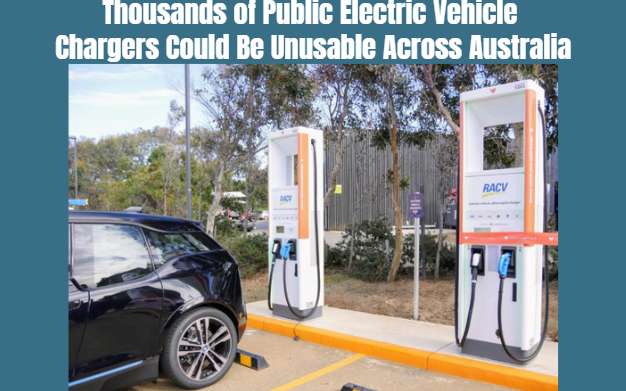
Concerns are growing over the reliability and availability of Australia's public electric vehicle charging network, with thousands of charging points po...
Indigenous women are using traditional weaving and craft-making to strengthen cultural connections, preserve knowledge passed down through generations a...
A psychiatric report presented to South Australia's Supreme Court has raised questions about Tamika Chesser's mental competence in the case involving th...
A freedom of information request has revealed that Gold Coast Council does not hold a copy of the invoice for Mayor Tom Tate's three-day stay at Donald...