Safety note: Admin approval is an initial review, not a guarantee that every detail is correct. Check important or urgent claims with official sources and report anything inaccurate or unsafe.
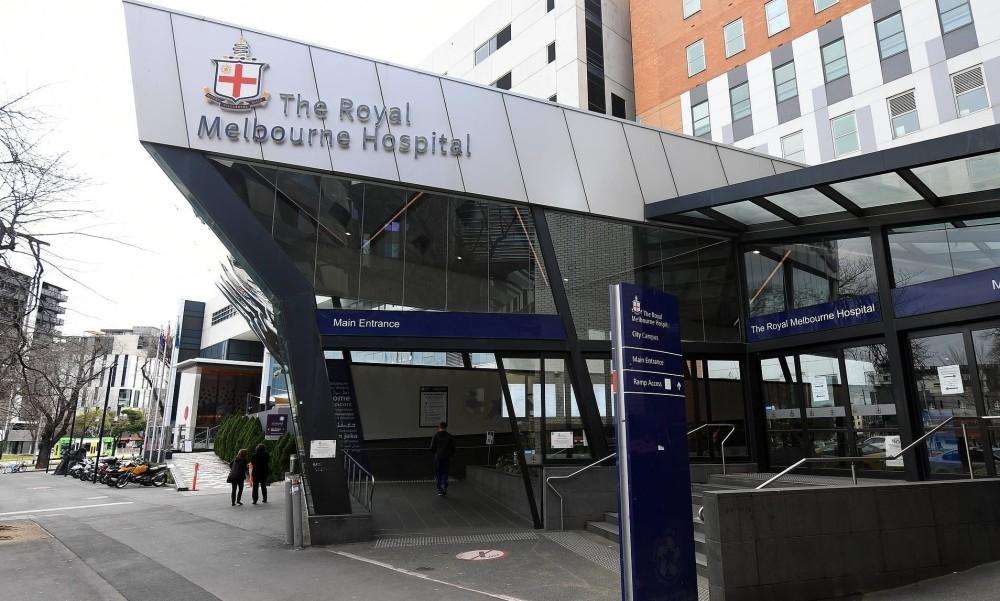
Melbourne hospitals prepare for industrial action as doctors seek improved workplace conditions
Doctors across Victoria, including Melbourne’s major hospitals, have announced plans for industrial action over an ongoing dispute involving pay and workplace conditions. The announcement on 4 August 2026 marks the first major doctors’ strike in Victoria in around two decades and has created concern across the state’s healthcare sector.
The Australian Medical Association (AMA) Victoria said doctors are seeking changes to address concerns about remuneration, workloads and conditions faced by medical professionals working in the public health system. The planned action comes after negotiations between doctors’ representatives and the Victorian Government failed to reach an agreement.
Melbourne, as Victoria’s largest healthcare centre, is expected to be closely affected because many of the state’s major public hospitals and medical services are located across the metropolitan area. Hospitals have begun reviewing staffing arrangements and contingency plans to ensure essential patient care continues during the industrial action period.
Health authorities have indicated that emergency services will continue operating, with critical care, urgent treatments and emergency departments prioritised. Patients with scheduled appointments may receive further communication from hospitals regarding possible delays or changes.
Doctors have highlighted increasing pressure on the healthcare workforce, including staff shortages, rising patient demand and the challenges of maintaining quality care with limited resources. Medical professionals argue that improved workplace conditions are necessary to retain experienced staff and attract future healthcare workers.
The Victorian Government has said discussions with doctors’ representatives remain ongoing and has committed to working towards a resolution. Officials are balancing workforce concerns with broader budget pressures affecting the state’s public services.
The dispute has attracted attention from healthcare organisations, patients and community groups because public hospitals play a critical role in supporting millions of Victorians. Any disruption to healthcare services can create challenges for patients and hospital staff.
Experts say workforce stability is essential for Melbourne’s healthcare system, particularly as demand continues to grow due to population increases and an ageing community. Maintaining enough doctors, nurses and healthcare professionals remains a key challenge for governments worldwide.
The upcoming industrial action is expected to increase pressure on negotiations between doctors and the Victorian Government. Both sides are expected to continue discussions in an effort to minimise disruption while addressing concerns raised by medical professionals.
Further updates will depend on the progress of negotiations and the final details of the planned strike arrangements.
DoctorsHealthcareHospitalsMedicalAction
Doctors across Victoria, including Melbourne’s major hospitals, have announced plans for industrial action over an ongoing dispute involving pay and workplace conditions. The announcement on 4 August 2026 marks the first major doctors’ strike in Victoria in around two decades and has created concern across the state’s healthcare sector.
The Australian Medical Association (AMA) Victoria said doctors are seeking changes to address concerns about remuneration, workloads and conditions faced by medical professionals working in the public health system. The planned action comes after negotiations between doctors’ representatives and the Victorian Government failed to reach an agreement.
Melbourne, as Victoria’s largest healthcare centre, is expected to be closely affected because many of the state’s major public hospitals and medical services are located across the metropolitan area. Hospitals have begun reviewing staffing arrangements and contingency plans to ensure essential patient care continues during the industrial action period.
Health authorities have indicated that emergency services will continue operating, with critical care, urgent treatments and emergency departments prioritised. Patients with scheduled appointments may receive further communication from hospitals regarding possible delays or changes.
Doctors have highlighted increasing pressure on the healthcare workforce, including staff shortages, rising patient demand and the challenges of maintaining quality care with limited resources. Medical professionals argue that improved workplace conditions are necessary to retain experienced staff and attract future healthcare workers.
The Victorian Government has said discussions with doctors’ representatives remain ongoing and has committed to working towards a resolution. Officials are balancing workforce concerns with broader budget pressures affecting the state’s public services.
The dispute has attracted attention from healthcare organisations, patients and community groups because public hospitals play a critical role in supporting millions of Victorians. Any disruption to healthcare services can create challenges for patients and hospital staff.
Experts say workforce stability is essential for Melbourne’s healthcare system, particularly as demand continues to grow due to population increases and an ageing community. Maintaining enough doctors, nurses and healthcare professionals remains a key challenge for governments worldwide.
The upcoming industrial action is expected to increase pressure on negotiations between doctors and the Victorian Government. Both sides are expected to continue discussions in an effort to minimise disruption while addressing concerns raised by medical professionals.
Further updates will depend on the progress of negotiations and the final details of the planned strike arrangements.
New funding from local charity Wishlist is improving communication support for patients at Bundaberg Hospital, with resources designed to help people communicate more effectivel...
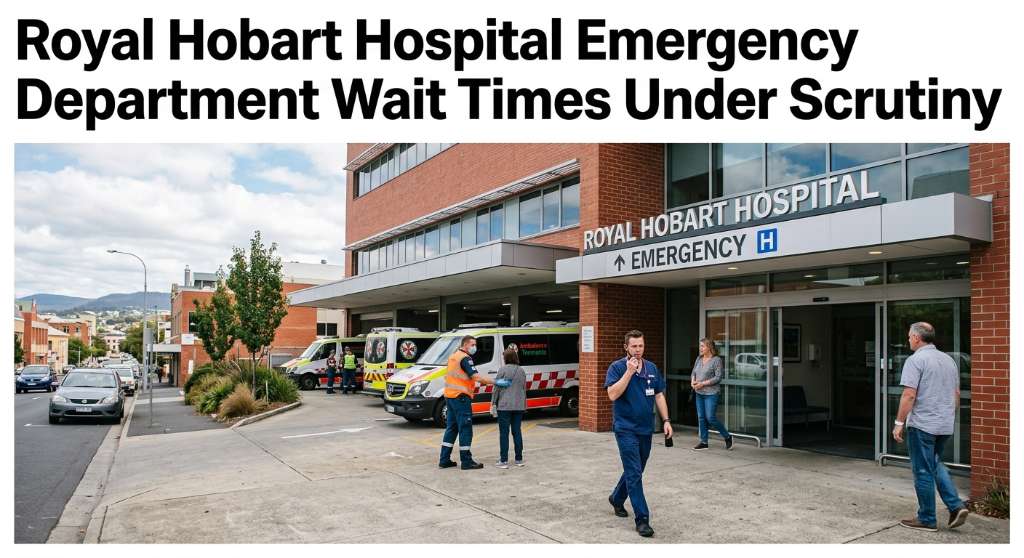
New figures have renewed concerns about emergency department delays at Royal Hobart Hospital, with the health system facing questions over patient waiti...
Central Coast New South Wales · Health News · 10 Sep 2026
The design for new Key Health Worker Accommodation at Wyong has been released today, with the project aimed at helping address the need for suitable accommodation for healthcare...
New workplace data shows staff absenteeism jumped sharply during the historic MCG NFL event, while Melbourne businesses also benefited from a major spen...
A 21-year-old man has been charged after investigators allege more than $2 million in suspected criminal proceeds moved through high-frequency, low-valu...
An investigation has raised questions about what happened after NSW's building regulator disciplined a major developer and prepared a public statement a...