Australia Exported Millions of Litres of Homegrown Fuel During Fuel Shortages
By Chloe · Published 20 Oct 2026 · Updated 20 Oct 2026
Canberra, ACT · ACT News
Safety note: Admin approval is an initial review, not a guarantee that every detail is correct. Check important or urgent claims with official sources and report anything inaccurate or unsafe.
Source and credit: Contributor's own report
Australia Exported Millions of Litres of Homegrown Fuel During Fuel Shortages - Canberra, ACT
Smart summary
Australian biofuel producers are urging the federal government to require fuel companies to purchase more locally produced ethanol and biodiesel, after millions of litres were exported while domestic motorists faced s...
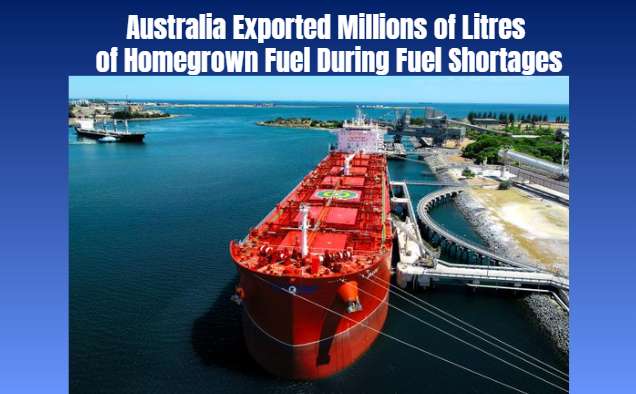
Australia's fuel security has come under renewed scrutiny after a report revealed that significant quantities of locally produced biofuels were exported overseas during a period of domestic fuel shortages. The report, published by ABC News on 20 October 2026, said more than 60 megalitres of Australian-produced ethanol and biodiesel were exported during the first six months of the year, even as the country faced pressure on petrol and diesel supplies.
Biofuels are liquid fuels produced from renewable materials, including agricultural by-products, waste cooking oil and other plant-based feedstocks. Ethanol can be blended with petrol, while biodiesel can be used in suitable diesel applications. Supporters argue that increasing domestic use of these fuels could diversify Australia's energy supply and reduce reliance on imported petroleum products.
The newly formed Biofuel Producers Alliance is calling on the federal government to introduce a national requirement for fuel importers and refiners to purchase Australian-made biofuels. The alliance includes Manildra Group, Wilmar Sugar and three biodiesel companies. It says existing production capacity could provide additional fuel supplies without waiting for major new facilities to be built.
According to the report, the alliance has approximately 470 megalitres of annual ethanol and biodiesel production capacity. Its representatives estimate that this could equate to roughly three days of additional fuel supply. However, that capacity does not mean all the fuel can immediately replace petrol or diesel; blending requirements, fuel specifications, infrastructure and commercial arrangements affect how much can be used domestically.
The debate comes as Australian motorists face elevated petrol prices and uncertainty in international energy markets. ABC reported an average petrol price of A$2.42 per litre at the time of publication. Australia held approximately 41 days of petrol supply and 33 days of diesel supply, according to the same report, figures that remained below the international benchmark of 90 days.
Biofuel advocates argue that a domestic purchasing requirement could create a reliable market for local producers, encourage investment and provide an additional buffer against disruptions to imported fuel. They also say it could support Australian farmers by increasing demand for agricultural feedstocks and by-products.
The federal government is consulting on a proposed volumetric mandate that would require specified quantities of low-carbon liquid fuels to be supplied or acquired. Under the proposal described by ABC, the requirement could begin in 2029, with later changes placing greater emphasis on the carbon intensity of fuels after 2035. The Biofuel Producers Alliance wants the government to consider bringing the policy forward.
Not all industry groups support imposing a mandate immediately. The Australian Chamber of Commerce and Industry has argued that government intervention should depend on whether adequate fuel is available at competitive prices and whether the necessary infrastructure and compliance systems are ready. Fuel suppliers also point to international supply chains and existing domestic reserves as important parts of Australia's fuel security.
The issue has implications for consumers, farmers, fuel companies and the environment. More domestic biofuel use could help diversify supply and potentially reduce exposure to some international price shocks. The actual effect on petrol prices, however, would depend on production costs, blending levels, transport, taxes and market conditions.
For agricultural communities, greater demand for biofuel feedstocks could create new markets for certain crops and processing by-products. For motorists, the most immediate question is whether the proposed policy would improve fuel availability without adding significant costs at the pump.
FuelCouldPetrolSupplyBiofuel
Australia's fuel security has come under renewed scrutiny after a report revealed that significant quantities of locally produced biofuels were exported overseas during a period of domestic fuel shortages. The report, published by ABC News on 20 October 2026, said more than 60 megalitres of Australian-produced ethanol and biodiesel were exported during the first six months of the year, even as the country faced pressure on petrol and diesel supplies.
Biofuels are liquid fuels produced from renewable materials, including agricultural by-products, waste cooking oil and other plant-based feedstocks. Ethanol can be blended with petrol, while biodiesel can be used in suitable diesel applications. Supporters argue that increasing domestic use of these fuels could diversify Australia's energy supply and reduce reliance on imported petroleum products.
The newly formed Biofuel Producers Alliance is calling on the federal government to introduce a national requirement for fuel importers and refiners to purchase Australian-made biofuels. The alliance includes Manildra Group, Wilmar Sugar and three biodiesel companies. It says existing production capacity could provide additional fuel supplies without waiting for major new facilities to be built.
According to the report, the alliance has approximately 470 megalitres of annual ethanol and biodiesel production capacity. Its representatives estimate that this could equate to roughly three days of additional fuel supply. However, that capacity does not mean all the fuel can immediately replace petrol or diesel; blending requirements, fuel specifications, infrastructure and commercial arrangements affect how much can be used domestically.
The debate comes as Australian motorists face elevated petrol prices and uncertainty in international energy markets. ABC reported an average petrol price of A$2.42 per litre at the time of publication. Australia held approximately 41 days of petrol supply and 33 days of diesel supply, according to the same report, figures that remained below the international benchmark of 90 days.
Biofuel advocates argue that a domestic purchasing requirement could create a reliable market for local producers, encourage investment and provide an additional buffer against disruptions to imported fuel. They also say it could support Australian farmers by increasing demand for agricultural feedstocks and by-products.
The federal government is consulting on a proposed volumetric mandate that would require specified quantities of low-carbon liquid fuels to be supplied or acquired. Under the proposal described by ABC, the requirement could begin in 2029, with later changes placing greater emphasis on the carbon intensity of fuels after 2035. The Biofuel Producers Alliance wants the government to consider bringing the policy forward.
Not all industry groups support imposing a mandate immediately. The Australian Chamber of Commerce and Industry has argued that government intervention should depend on whether adequate fuel is available at competitive prices and whether the necessary infrastructure and compliance systems are ready. Fuel suppliers also point to international supply chains and existing domestic reserves as important parts of Australia's fuel security.
The issue has implications for consumers, farmers, fuel companies and the environment. More domestic biofuel use could help diversify supply and potentially reduce exposure to some international price shocks. The actual effect on petrol prices, however, would depend on production costs, blending levels, transport, taxes and market conditions.
For agricultural communities, greater demand for biofuel feedstocks could create new markets for certain crops and processing by-products. For motorists, the most immediate question is whether the proposed policy would improve fuel availability without adding significant costs at the pump.
National Australia Bank announces plans to reduce its workforce by approximately 2,500 positions by mid-2027, citing rising competition, operating costs...
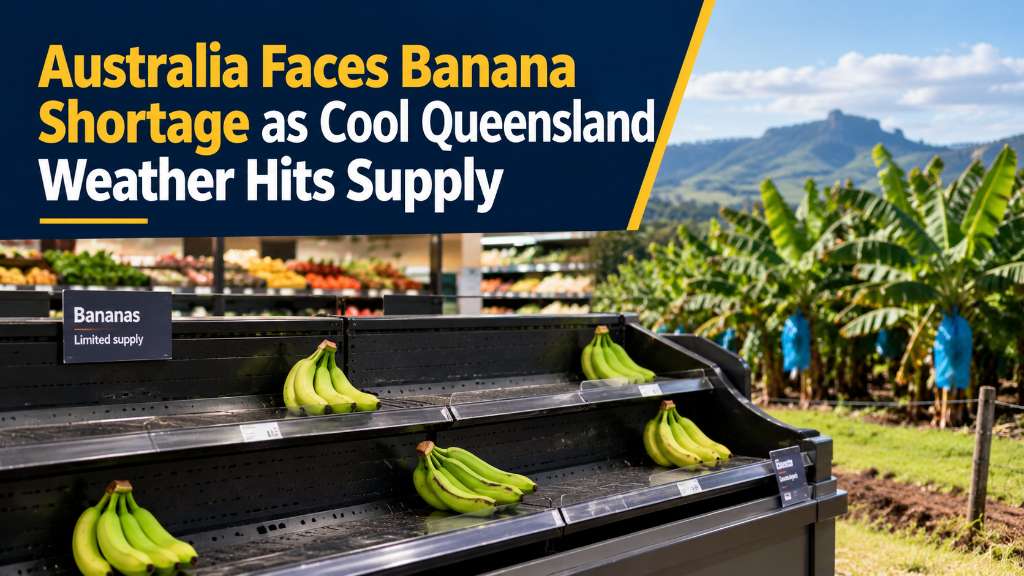
Unseasonably cool weather is affecting banana production in Queensland, leaving supermarket shelves with reduced supplies and raising concerns about ava...
Questions are growing over the collapse of the Whyalla steelworks, as the billionaire-backed company involved rejects responsibility for the facility’s...
Australia has designated an offshore geological formation near its northern coast for a major carbon capture and storage project proposed by Japanese en...
A new Australian Human Rights Commission report calls for stronger workplace protections after workers reported losing jobs, shifts and promotion opport...
A 22-year-old woman has been charged after police alleged she groomed a teenage boy known to her and committed several offences between May and July 2026.
A 42-year-old man from Chisholm has been charged with two offences after investigators allegedly found child abuse material on electronic devices during...
A Commonwealth Ombudsman report identifies an Australian citizen who spent more than two and a half years in immigration detention because citizenship l...
A Victorian coroner has criticised betting company Sportsbet after examining the case of a young man who wagered hundreds of thousands of dollars before...
Victoria's teaching regulator has carried out unannounced inspections at two Fitzroy Community School campuses as investigations into child-safety conce...