Safety note: Admin approval is an initial review, not a guarantee that every detail is correct. Check important or urgent claims with official sources and report anything inaccurate or unsafe.
Source and credit: Contributor's own report
A smartphone displaying a travel booking confirmation message on a screen.
Smart summary
Australian travellers are being urged to exercise extreme caution following a surge in sophisticated phishing scams targeting Booking.com users with fraudulent messages containing accurate reservation details.
Australian travellers are being urged to exercise extreme caution when managing accommodation bookings following a rise in sophisticated scams. Reports indicate that users of the platform Booking.com have been targeted by phishing attacks designed to harvest personal information, payment details, and money. These scams are particularly concerning due to the high level of detail involved, which often includes legitimate booking references, hotel names, and travel dates.
Cybersecurity experts have highlighted that reservation data is highly valuable to criminals. Because travel bookings contain sensitive information such as names, travel dates, and contact details, they are prime targets for cybercriminals. Several travellers have reported receiving messages that appeared to originate directly from their accommodation providers shortly after confirming their bookings. These fraudulent communications often create a sense of urgency, claiming that reservations will be cancelled unless immediate action is taken to update payment information.
Investigations suggest that these attacks often begin when criminals gain unauthorised access to hotel or accommodation booking systems, frequently through phishing emails sent to staff. Once access is secured, scammers can view genuine reservation records and use that data to craft highly convincing messages. This tactic, sometimes referred to as 'reservation hijacking,' has become increasingly common on an international scale, making it difficult for even vigilant travellers to distinguish between legitimate correspondence and fraudulent attempts.
Recent reports have highlighted instances where travellers received messages via platforms like Whats App containing accurate booking details and specific payment requests. The inclusion of such precise information often leads victims to believe the communication is authentic. As the sophistication of these scams continues to evolve, experts warn that traditional indicators of phishing may not always be present, necessitating a higher level of scrutiny for all travel-related correspondence.
National figures indicate that hundreds of complaints relating to Booking.com have been lodged with Australian consumer agencies over the past two years, covering a range of issues including scam-related concerns. A spokesperson for Booking.com stated that the company remains committed to protecting its customers and partners and is continuing to strengthen its security measures. The company advises users to report any suspicious messages immediately and to verify any payment requests through official, confirmed channels.
As Australians continue to plan both domestic and international holidays, experts emphasise that awareness remains the most effective defence against these threats. Travellers are urged to treat any unexpected request for payment with caution, even if the message appears to contain accurate booking information. Further details may be updated as more information becomes available.
Australian travellers are being warned to exercise caution when managing accommodation bookings after a surge in sophisticated scams targeting customers through fake messages linked to genuine travel reservations. The warning follows reports that dozens of Booking.com users have recently been targeted by phishing attacks designed to steal personal information, payment details and money. The scam activity has raised concerns about the security of travel booking information, with cybersecurity experts describing reservation data as highly valuable to criminals. Travel bookings often contain detailed personal information, including names, travel dates, accommodation details, contact information and payment records, making them attractive targets for cybercriminals.
Several travellers reported receiving messages that appeared to come directly from hotels or accommodation providers shortly after making reservations. The fraudulent communications often included legitimate booking references, hotel names and travel dates, making them difficult to distinguish from genuine correspondence. Victims were instructed to update payment information or make urgent payments to avoid cancellation of their reservations.
One Western Australian traveller told ABC News that scammers contacted him after he booked accommodation for an overseas holiday. The messages contained accurate booking information and created a sense of urgency by claiming the reservation would be cancelled if immediate action was not taken. Another traveller reported receiving a Whats App message containing his hotel details, booking dates and payment information request, which initially appeared authentic.
Cybersecurity specialists say these attacks often begin when criminals gain access to hotel or accommodation booking systems through phishing emails sent to hotel staff. Once access is obtained, scammers can view reservation records and use the information to craft highly convincing fraudulent messages aimed at travellers. The tactic, sometimes referred to as "reservation hijacking," has become increasingly common internationally.
Experts warn that the sophistication of these scams is increasing as criminals become more adept at exploiting legitimate booking information. Unlike traditional phishing attempts that rely on generic messages, these scams often contain accurate reservation details that can make travellers believe the communication is genuine.
Consumer complaints involving online travel bookings have also increased. National figures cited by ABC News indicate that hundreds of complaints relating to Booking.com have been lodged with Australian consumer agencies over the past two years, covering issues ranging from cancellations and refunds to scam-related concerns.
A spokesperson for booking.com said the company remains committed to protecting customers and partners while continuing to strengthen security measures. The company advises users to report suspicious messages immediately and to verify any payment requests through official channels.
As Australians continue planning domestic and international holidays, experts say awareness remains the most effective defence against increasingly sophisticated travel-related scams. Travellers are urged to carefully check all communications and treat any unexpected payment request with caution, even if it appears to contain legitimate booking information.
BookingInformationPaymentTravellersMessages
Australian travellers are being urged to exercise extreme caution when managing accommodation bookings following a rise in sophisticated scams. Reports indicate that users of the platform Booking.com have been targeted by phishing attacks designed to harvest personal information, payment details, and money. These scams are particularly concerning due to the high level of detail involved, which often includes legitimate booking references, hotel names, and travel dates.
Cybersecurity experts have highlighted that reservation data is highly valuable to criminals. Because travel bookings contain sensitive information such as names, travel dates, and contact details, they are prime targets for cybercriminals. Several travellers have reported receiving messages that appeared to originate directly from their accommodation providers shortly after confirming their bookings. These fraudulent communications often create a sense of urgency, claiming that reservations will be cancelled unless immediate action is taken to update payment information.
Investigations suggest that these attacks often begin when criminals gain unauthorised access to hotel or accommodation booking systems, frequently through phishing emails sent to staff. Once access is secured, scammers can view genuine reservation records and use that data to craft highly convincing messages. This tactic, sometimes referred to as 'reservation hijacking,' has become increasingly common on an international scale, making it difficult for even vigilant travellers to distinguish between legitimate correspondence and fraudulent attempts.
Recent reports have highlighted instances where travellers received messages via platforms like Whats App containing accurate booking details and specific payment requests. The inclusion of such precise information often leads victims to believe the communication is authentic. As the sophistication of these scams continues to evolve, experts warn that traditional indicators of phishing may not always be present, necessitating a higher level of scrutiny for all travel-related correspondence.
National figures indicate that hundreds of complaints relating to Booking.com have been lodged with Australian consumer agencies over the past two years, covering a range of issues including scam-related concerns. A spokesperson for Booking.com stated that the company remains committed to protecting its customers and partners and is continuing to strengthen its security measures. The company advises users to report any suspicious messages immediately and to verify any payment requests through official, confirmed channels.
As Australians continue to plan both domestic and international holidays, experts emphasise that awareness remains the most effective defence against these threats. Travellers are urged to treat any unexpected request for payment with caution, even if the message appears to contain accurate booking information. Further details may be updated as more information becomes available.
Australian travellers are being warned to exercise caution when managing accommodation bookings after a surge in sophisticated scams targeting customers through fake messages linked to genuine travel reservations. The warning follows reports that dozens of Booking.com users have recently been targeted by phishing attacks designed to steal personal information, payment details and money. The scam activity has raised concerns about the security of travel booking information, with cybersecurity experts describing reservation data as highly valuable to criminals. Travel bookings often contain detailed personal information, including names, travel dates, accommodation details, contact information and payment records, making them attractive targets for cybercriminals.
Several travellers reported receiving messages that appeared to come directly from hotels or accommodation providers shortly after making reservations. The fraudulent communications often included legitimate booking references, hotel names and travel dates, making them difficult to distinguish from genuine correspondence. Victims were instructed to update payment information or make urgent payments to avoid cancellation of their reservations.
One Western Australian traveller told ABC News that scammers contacted him after he booked accommodation for an overseas holiday. The messages contained accurate booking information and created a sense of urgency by claiming the reservation would be cancelled if immediate action was not taken. Another traveller reported receiving a Whats App message containing his hotel details, booking dates and payment information request, which initially appeared authentic.
Cybersecurity specialists say these attacks often begin when criminals gain access to hotel or accommodation booking systems through phishing emails sent to hotel staff. Once access is obtained, scammers can view reservation records and use the information to craft highly convincing fraudulent messages aimed at travellers. The tactic, sometimes referred to as "reservation hijacking," has become increasingly common internationally.
Experts warn that the sophistication of these scams is increasing as criminals become more adept at exploiting legitimate booking information. Unlike traditional phishing attempts that rely on generic messages, these scams often contain accurate reservation details that can make travellers believe the communication is genuine.
Consumer complaints involving online travel bookings have also increased. National figures cited by ABC News indicate that hundreds of complaints relating to Booking.com have been lodged with Australian consumer agencies over the past two years, covering issues ranging from cancellations and refunds to scam-related concerns.
A spokesperson for booking.com said the company remains committed to protecting customers and partners while continuing to strengthen security measures. The company advises users to report suspicious messages immediately and to verify any payment requests through official channels.
As Australians continue planning domestic and international holidays, experts say awareness remains the most effective defence against increasingly sophisticated travel-related scams. Travellers are urged to carefully check all communications and treat any unexpected payment request with caution, even if it appears to contain legitimate booking information.
Darwin Northern Territory · Other News · 01 Sep 2026
A scenic hike through Butterfly Gorge in the Northern Territory turned into a frightening experience when a buffalo charged at two hikers. ABC Darwin reported the story today, 1...
Coffs Harbour New South Wales · Other News · 01 Sep 2026
A Safe Work NSW inspection blitz across the Coffs Harbour region has uncovered dozens of workplace-safety issues in the horticulture industry. The operation followed concerns ab...
A major Queensland Government infrastructure investment is set to unlock thousands of new homes across the Fraser Coast, including projects in Maryborough.
A 22-year-old man has been charged after a police pursuit involving an allegedly stolen Toyota utility near Moree in northern New South Wales. NSW Police published the update on...
Sydney New South Wales · General News · 15 Sep 2026
A tragic incident in Auburn, in Sydney’s west, has resulted in the death of a three-year-old girl after she was struck by a car in a residential driveway on Tuesday, September 1...
A 16-year-old boy is due to appear before a children’s court after being charged following an alleged brawl at a train station in Penrith, in Sydney’s west. The incident occurre...
A man in his 40s has been shot dead at the doorway of a home in Merrylands West, western Sydney, prompting a major police investigation. The shooting occurred on Wednesday after...
A 36-year-old man has been charged after investigators allegedly found fraudulent identification documents, cloned number plates, cash and drug-manufact...
A Sydney court has heard that a man sent 249 messages to a former partner within 24 hours, with the messages treated as a single alleged breach of an ap...
A high-profile athlete has returned to court and told the hearing that an alleged unwanted kiss by former broadcaster Alan Jones remained difficult to f...
Work on the $150 million Sydney Town Hall Square project has been paused after the NSW Planning Minister referred the development for review by the Inde...
Cairns Regional Council has unanimously voted to seek $400,000 in Queensland Government funding for a program designed to connect local businesses with the region’s growing film...
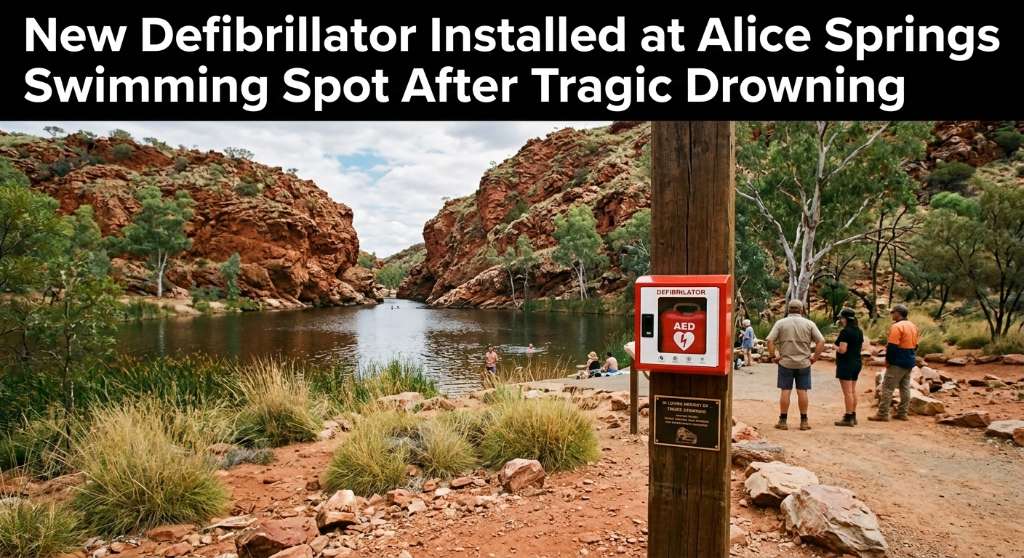
An automated external defibrillator and memorial plaque have been installed at Ellery Creek Big Hole following the death of disability advocate Ellen Fr...
Queensland firefighters spent several hours monitoring a significant grass fire at Mary Kinross Park in Bargara, near Bundaberg, after the blaze broke out on Wednesday evening....