Cave Divers Search for Rare Ghost Bats After Flooding in Queensland
By Chloe · Published 23 Oct 2026 · Updated 23 Oct 2026
Mount Isa, QLD · Queensland News
Safety note: Admin approval is an initial review, not a guarantee that every detail is correct. Check important or urgent claims with official sources and report anything inaccurate or unsafe.
Source and credit: Contributor's own report
Cave Divers Search for Rare Ghost Bats After Flooding in Queensland - Mount Isa, QLD
Smart summary
Researchers have confirmed that an endangered colony survived devastating cave flooding, but low population numbers and limited genetic diversity are raising concerns about its long-term survival.
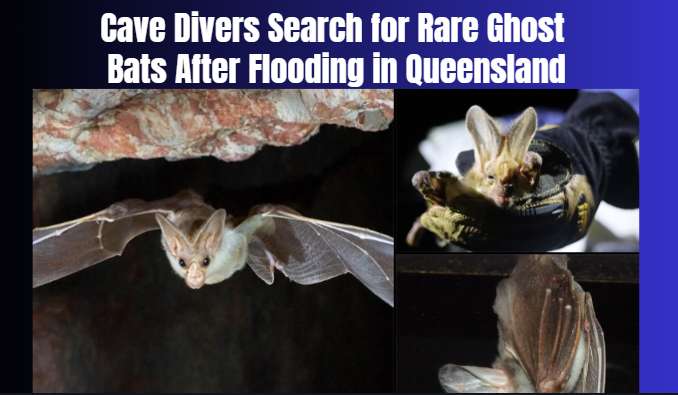
Researchers, cave divers and wildlife rangers are investigating the survival of a rare colony of ghost bats in the Camooweal cave network in north-west Queensland. The colony was feared to have been wiped out after severe flooding inundated the caves in 2023. Preliminary research has now confirmed that the endangered bats survived, although their numbers appear to be declining.
The caves lie in remote outback country around two hours north of Mount Isa. During the 2023 floods, water swept through the underground passages, filling sections of the cave system and creating dangerous whirlpools. The flooding raised fears that the bats, which rely on caves for shelter, might have been lost from the area.
The current research project brings together Queensland environment officials, traditional owners and specialist cave divers. Their work aims to establish how many bats remain, what they eat, whether they are breeding and what measures could help protect the isolated population.
Ghost bats are Australia's largest carnivorous bat species. They have distinctive pale fur and an upturned nose, and hunt animals including insects, birds, snakes and other bats. They use their sensitive hearing and echolocation to locate prey, sometimes waiting at a favoured perch before attacking.
The species has experienced declines across its range. Researchers say threats include disturbance at cave roosts, mining development and environmental pressures associated with changes to their habitats. Because ghost bats depend on suitable roosting sites, damage to an important cave system can place a local colony at risk.
Cave divers are collecting bat droppings and prey samples to help scientists study the colony. Researchers use environmental DNA techniques to identify evidence of the bats and learn more about their population. The samples may also provide information about what the animals are eating and whether females are pregnant.
The fieldwork is physically demanding. Researchers must descend into deep caves in a region where temperatures can reach around 40 degrees Celsius. Some underground chambers are enormous, while access to other areas requires specialised equipment and careful planning.
The preliminary findings offer some relief: researchers believe pockets of air deep inside the caves may have allowed bats to survive while floodwaters covered other parts of the network. However, testing has also indicated that the colony has very low genetic diversity and is isolated from other populations.
That isolation is a serious conservation concern. If the colony disappears, researchers say natural recolonisation may be unlikely, making it particularly important to understand its size and breeding patterns.
Further surveys and DNA collection are planned for early 2027. More information about breeding behaviour is expected later in 2027, helping conservation teams determine how best to protect the bats and their habitat.
BatsCaveColonyResearchersCaves
Researchers, cave divers and wildlife rangers are investigating the survival of a rare colony of ghost bats in the Camooweal cave network in north-west Queensland. The colony was feared to have been wiped out after severe flooding inundated the caves in 2023. Preliminary research has now confirmed that the endangered bats survived, although their numbers appear to be declining.
The caves lie in remote outback country around two hours north of Mount Isa. During the 2023 floods, water swept through the underground passages, filling sections of the cave system and creating dangerous whirlpools. The flooding raised fears that the bats, which rely on caves for shelter, might have been lost from the area.
The current research project brings together Queensland environment officials, traditional owners and specialist cave divers. Their work aims to establish how many bats remain, what they eat, whether they are breeding and what measures could help protect the isolated population.
Ghost bats are Australia's largest carnivorous bat species. They have distinctive pale fur and an upturned nose, and hunt animals including insects, birds, snakes and other bats. They use their sensitive hearing and echolocation to locate prey, sometimes waiting at a favoured perch before attacking.
The species has experienced declines across its range. Researchers say threats include disturbance at cave roosts, mining development and environmental pressures associated with changes to their habitats. Because ghost bats depend on suitable roosting sites, damage to an important cave system can place a local colony at risk.
Cave divers are collecting bat droppings and prey samples to help scientists study the colony. Researchers use environmental DNA techniques to identify evidence of the bats and learn more about their population. The samples may also provide information about what the animals are eating and whether females are pregnant.
The fieldwork is physically demanding. Researchers must descend into deep caves in a region where temperatures can reach around 40 degrees Celsius. Some underground chambers are enormous, while access to other areas requires specialised equipment and careful planning.
The preliminary findings offer some relief: researchers believe pockets of air deep inside the caves may have allowed bats to survive while floodwaters covered other parts of the network. However, testing has also indicated that the colony has very low genetic diversity and is isolated from other populations.
That isolation is a serious conservation concern. If the colony disappears, researchers say natural recolonisation may be unlikely, making it particularly important to understand its size and breeding patterns.
Further surveys and DNA collection are planned for early 2027. More information about breeding behaviour is expected later in 2027, helping conservation teams determine how best to protect the bats and their habitat.
Repeated satellite observations of methane emissions above the Gorgon liquefied natural gas facility have prompted a United Nations warning and an inves...
Australian capital-city house prices fell 4.7 per cent in the September quarter, with Perth recording the sharpest decline as affordability pressures an...
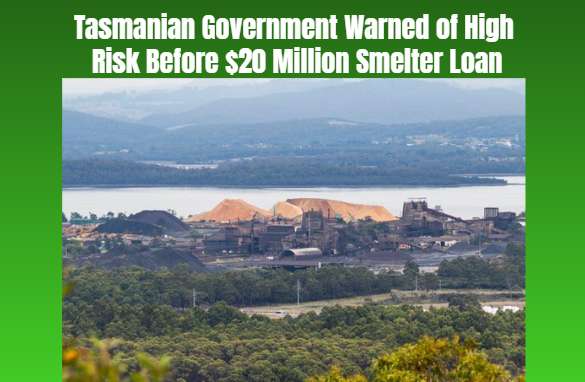
Newly released government documents show Tasmania was warned it might not recover the full value of a $20 million taxpayer-funded loan to the now-closed...
Australia will open military recruitment to eligible students and recent graduates from Papua New Guinea next month, in a pilot program designed to stre...
Wet weather is expected to add uncertainty to the Supercars championship street race, with leading drivers preparing for difficult track conditions on Q...
Three men from Sydney are being extradited to Queensland to face allegations of extortion involving former business associates on the Gold Coast. Police...
Former Australian sprinter Jake Doran has been charged with one count of indecent treatment of a child under 16 following a police investigation in Nort...
Property offences and crimes against people have fallen across the Northern Territory overall, but recent increases in Darwin and continuing challenges...
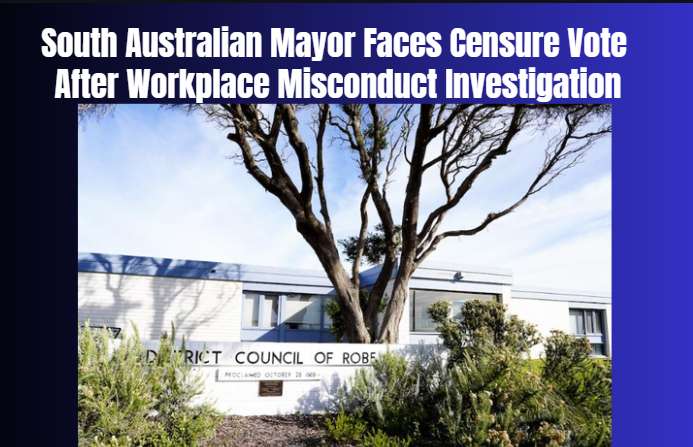
An independent investigation has found that Robe Mayor Lisa Ruffell made allegedly undermining comments about council employees. She strongly disputes t...
The federal government has submitted a proposal to the European Space Agency for astronaut Katherine Bennell-Pegg to travel to the International Space S...
A major investigation into alleged drug manufacturing has led to arrests, the discovery of illegal gambling venues and the seizure of drugs, weapons, to...