Safety note: Admin approval is an initial review, not a guarantee that every detail is correct. Check important or urgent claims with official sources and report anything inaccurate or unsafe.
Source and credit: Contributor's own report
City of Busselton Adopts $63 Million Capital Works Budget for 2026–27 - Busselton, WA
Smart summary
The City of Busselton has approved its 2026–27 Annual Budget, committing $63 million to infrastructure projects while maintaining investment in community services, roads, parks and public facilities.
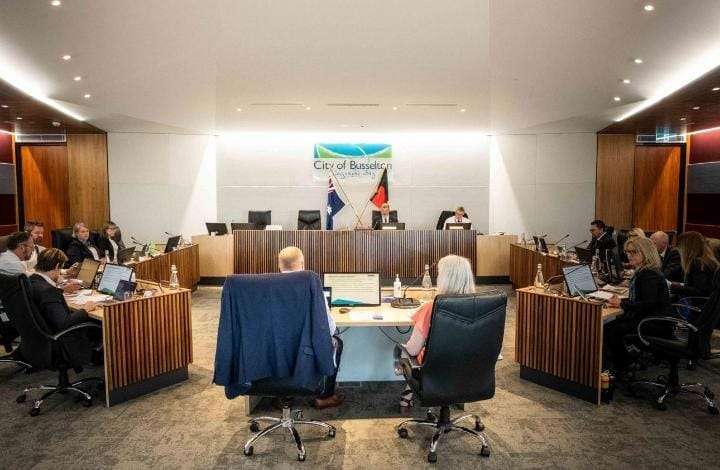
The City of Busselton has officially adopted its 2026–27 Annual Budget, committing $63 million in capital works to deliver infrastructure improvements and community projects across the local government area. Council approved the budget during its latest meeting, outlining plans to continue investing in roads, parks, recreational facilities, public buildings and essential community services while managing ongoing financial pressures.
The adopted budget forecasts approximately $135 million in operating expenditure and includes a 6.2 per cent average residential rates increase. Council said the increase reflects rising construction costs, inflation and the need to maintain essential public infrastructure while continuing to provide quality services for residents and visitors.
Acting Mayor Kate Cox said the budget balances responsible financial management with the growing needs of the Busselton community. She explained that the funding will support both the maintenance of existing infrastructure and the delivery of new projects designed to improve liveability across the region.
The capital works program includes investment in transport infrastructure, public open spaces, sporting facilities, community buildings, environmental initiatives and upgrades to council-owned assets. Officials said these projects are intended to accommodate the region's continued population growth while supporting tourism and local economic development.
Busselton remains one of Western Australia's fastest-growing regional centres and attracts large numbers of domestic and international visitors each year. Council believes ongoing investment in public infrastructure is essential to maintaining the city's reputation as a major tourism destination while ensuring local residents continue receiving reliable services.
Council representatives noted that the budget was developed following careful financial planning and consideration of community priorities. They said balancing cost-of-living pressures with the need to invest in infrastructure required detailed analysis of expenditure, future growth and long-term sustainability.
The budget also allocates funding for ongoing maintenance of roads, footpaths, drainage systems, parks and recreational facilities. Maintaining existing infrastructure remains a significant priority as the region continues expanding and demand for council services increases.
Local businesses have welcomed the continued investment, saying infrastructure improvements help strengthen the regional economy by supporting tourism, improving accessibility and creating opportunities for local contractors and suppliers. Capital works projects are also expected to generate employment throughout the construction phase.
Council emphasised that community services will continue to receive funding under the new budget, including libraries, recreational programs, environmental management, waste services and cultural initiatives. These services play an important role in supporting residents across Busselton and surrounding communities.
Officials acknowledged that many councils across Australia are facing increasing operational costs. Despite these challenges, the City of Busselton said the adopted budget aims to deliver long-term value while ensuring essential services remain financially sustainable.
Work on funded projects will begin progressively throughout the 2026–27 financial year. Council will continue monitoring project delivery and provide updates as major infrastructure works advance.
The adoption of the new budget represents one of the City of Busselton's most significant planning decisions for the coming year. Local leaders said the investment will help support population growth, strengthen community infrastructure and contribute to the region's long-term economic development while maintaining responsible financial management.
BudgetInfrastructureServicesBusseltonCommunity
The City of Busselton has officially adopted its 2026–27 Annual Budget, committing $63 million in capital works to deliver infrastructure improvements and community projects across the local government area. Council approved the budget during its latest meeting, outlining plans to continue investing in roads, parks, recreational facilities, public buildings and essential community services while managing ongoing financial pressures.
The adopted budget forecasts approximately $135 million in operating expenditure and includes a 6.2 per cent average residential rates increase. Council said the increase reflects rising construction costs, inflation and the need to maintain essential public infrastructure while continuing to provide quality services for residents and visitors.
Acting Mayor Kate Cox said the budget balances responsible financial management with the growing needs of the Busselton community. She explained that the funding will support both the maintenance of existing infrastructure and the delivery of new projects designed to improve liveability across the region.
The capital works program includes investment in transport infrastructure, public open spaces, sporting facilities, community buildings, environmental initiatives and upgrades to council-owned assets. Officials said these projects are intended to accommodate the region's continued population growth while supporting tourism and local economic development.
Busselton remains one of Western Australia's fastest-growing regional centres and attracts large numbers of domestic and international visitors each year. Council believes ongoing investment in public infrastructure is essential to maintaining the city's reputation as a major tourism destination while ensuring local residents continue receiving reliable services.
Council representatives noted that the budget was developed following careful financial planning and consideration of community priorities. They said balancing cost-of-living pressures with the need to invest in infrastructure required detailed analysis of expenditure, future growth and long-term sustainability.
The budget also allocates funding for ongoing maintenance of roads, footpaths, drainage systems, parks and recreational facilities. Maintaining existing infrastructure remains a significant priority as the region continues expanding and demand for council services increases.
Local businesses have welcomed the continued investment, saying infrastructure improvements help strengthen the regional economy by supporting tourism, improving accessibility and creating opportunities for local contractors and suppliers. Capital works projects are also expected to generate employment throughout the construction phase.
Council emphasised that community services will continue to receive funding under the new budget, including libraries, recreational programs, environmental management, waste services and cultural initiatives. These services play an important role in supporting residents across Busselton and surrounding communities.
Officials acknowledged that many councils across Australia are facing increasing operational costs. Despite these challenges, the City of Busselton said the adopted budget aims to deliver long-term value while ensuring essential services remain financially sustainable.
Work on funded projects will begin progressively throughout the 2026–27 financial year. Council will continue monitoring project delivery and provide updates as major infrastructure works advance.
The adoption of the new budget represents one of the City of Busselton's most significant planning decisions for the coming year. Local leaders said the investment will help support population growth, strengthen community infrastructure and contribute to the region's long-term economic development while maintaining responsible financial management.
A vehicle has crashed into a house in Albury, prompting police attendance at a residential property near the intersection of Mate and North streets. The incident was reported to...
A high-profile athlete has returned to court and told the hearing that an alleged unwanted kiss by former broadcaster Alan Jones remained difficult to f...
Work on the $150 million Sydney Town Hall Square project has been paused after the NSW Planning Minister referred the development for review by the Inde...
Global diesel shortages and disrupted shipping routes are pushing up fuel costs and creating growing risks for Australia’s farmers, miners and wider eco...
A push is underway to expand NSW Police drone technology to Gunnedah, with the equipment proposed for crime response, offender searches and emergencies.
Cairns Regional Council has unanimously voted to seek $400,000 in Queensland Government funding for a program designed to connect local businesses with the region’s growing film...
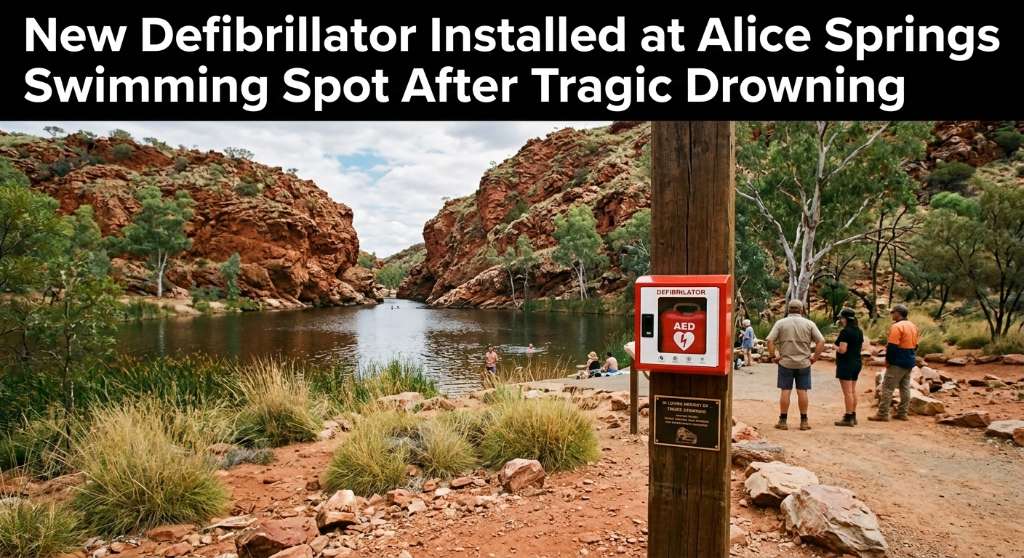
An automated external defibrillator and memorial plaque have been installed at Ellery Creek Big Hole following the death of disability advocate Ellen Fr...
Queensland firefighters spent several hours monitoring a significant grass fire at Mary Kinross Park in Bargara, near Bundaberg, after the blaze broke out on Wednesday evening....