Safety note: Admin approval is an initial review, not a guarantee that every detail is correct. Check important or urgent claims with official sources and report anything inaccurate or unsafe.
Source and credit: Contributor's own report
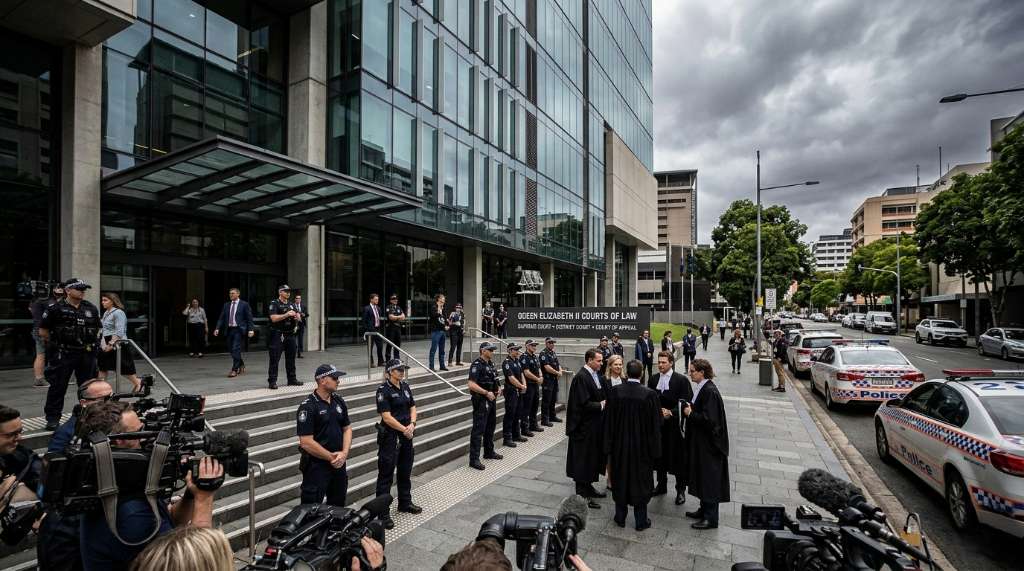
Court building exterior representing legal proceedings in Queensland.
Smart summary
A Queensland woman convicted for her role in the death of her former partner has officially launched an appeal against her life sentence, citing a potential miscarriage of justice.
A Queensland woman serving a life sentence for orchestrating one of Australia’s most shocking murder cases has launched an appeal against her conviction, arguing that a miscarriage of justice occurred during her trial. The appeal relates to the infamous “woodchipper murder” of Sunshine Coast butcher Bruce Saunders, whose death in 2017 horrified the nation due to the brutal manner in which his body was disposed of.
The woman, Sharon Graham, was convicted of masterminding the murder despite not being present at the scene where Saunders was killed. Prosecutors successfully argued that Graham arranged the killing and stood to benefit financially from Saunders’ death through his estate and a substantial life insurance policy. She was subsequently sentenced to life imprisonment for her role in the crime.
The murder occurred at a rural property near Gympie in November 2017. Court proceedings established that Saunders had been lured to the location under false pretences. Gregory Roser, Graham’s partner at the time, fatally attacked Saunders with an iron bar. After the killing, Roser and Peter Koenig disposed of the body using an industrial woodchipper and initially attempted to portray the death as a tragic workplace accident.
Central to Graham’s appeal is the credibility of Koenig, a former partner of Graham who later became a key prosecution witness. Koenig pleaded guilty to being an accessory after the fact and provided evidence against both Graham and Roser. During the appeal hearing, Graham’s legal team argued that the jury should have been allowed to consider additional matters that could have affected Koenig’s reliability as a witness.
The appeal proceedings featured a notable exchange in which a judge questioned the significance of attacking Koenig’s credibility, given his admitted involvement in disposing of Saunders’ body. Justice John Bond reportedly described Koenig as a “grub” while discussing the witness’s acknowledged role in the crime. The prosecution argued that the jury had been properly directed and that there was no legal error that would justify overturning the conviction.
The case has already generated multiple appeals. Earlier this year, Gregory Roser’s appeal against his murder conviction was dismissed, with appellate judges finding no merit in arguments that his trial had been unfair. Roser remains imprisoned for murder, while Graham is now pursuing her own challenge before the Queensland Court of Appeal.
The murder remains one of Queensland’s most notorious criminal cases because of its calculated nature and the disturbing method used to conceal the victim’s remains. Trial evidence indicated that Graham stood to gain significant financial benefits following Saunders’ death, a factor prosecutors argued provided a clear motive for the killing.
The Court of Appeal has reserved its decision, meaning Graham’s conviction and life sentence remain in place while judges consider the legal arguments presented. A ruling is expected at a later date.
GrahamAppealMurderSaundersKoenig
A Queensland woman serving a life sentence for orchestrating one of Australia’s most shocking murder cases has launched an appeal against her conviction, arguing that a miscarriage of justice occurred during her trial. The appeal relates to the infamous “woodchipper murder” of Sunshine Coast butcher Bruce Saunders, whose death in 2017 horrified the nation due to the brutal manner in which his body was disposed of.
The woman, Sharon Graham, was convicted of masterminding the murder despite not being present at the scene where Saunders was killed. Prosecutors successfully argued that Graham arranged the killing and stood to benefit financially from Saunders’ death through his estate and a substantial life insurance policy. She was subsequently sentenced to life imprisonment for her role in the crime.
The murder occurred at a rural property near Gympie in November 2017. Court proceedings established that Saunders had been lured to the location under false pretences. Gregory Roser, Graham’s partner at the time, fatally attacked Saunders with an iron bar. After the killing, Roser and Peter Koenig disposed of the body using an industrial woodchipper and initially attempted to portray the death as a tragic workplace accident.
Central to Graham’s appeal is the credibility of Koenig, a former partner of Graham who later became a key prosecution witness. Koenig pleaded guilty to being an accessory after the fact and provided evidence against both Graham and Roser. During the appeal hearing, Graham’s legal team argued that the jury should have been allowed to consider additional matters that could have affected Koenig’s reliability as a witness.
The appeal proceedings featured a notable exchange in which a judge questioned the significance of attacking Koenig’s credibility, given his admitted involvement in disposing of Saunders’ body. Justice John Bond reportedly described Koenig as a “grub” while discussing the witness’s acknowledged role in the crime. The prosecution argued that the jury had been properly directed and that there was no legal error that would justify overturning the conviction.
The case has already generated multiple appeals. Earlier this year, Gregory Roser’s appeal against his murder conviction was dismissed, with appellate judges finding no merit in arguments that his trial had been unfair. Roser remains imprisoned for murder, while Graham is now pursuing her own challenge before the Queensland Court of Appeal.
The murder remains one of Queensland’s most notorious criminal cases because of its calculated nature and the disturbing method used to conceal the victim’s remains. Trial evidence indicated that Graham stood to gain significant financial benefits following Saunders’ death, a factor prosecutors argued provided a clear motive for the killing.
The Court of Appeal has reserved its decision, meaning Graham’s conviction and life sentence remain in place while judges consider the legal arguments presented. A ruling is expected at a later date.
Darwin Northern Territory · Other News · 01 Sep 2026
A scenic hike through Butterfly Gorge in the Northern Territory turned into a frightening experience when a buffalo charged at two hikers. ABC Darwin reported the story today, 1...
Coffs Harbour New South Wales · Other News · 01 Sep 2026
A Safe Work NSW inspection blitz across the Coffs Harbour region has uncovered dozens of workplace-safety issues in the horticulture industry. The operation followed concerns ab...
A major Queensland Government infrastructure investment is set to unlock thousands of new homes across the Fraser Coast, including projects in Maryborough.
The Queensland Police Service is facing scrutiny over conditions inside the state’s watch houses after Workplace Health and Safety Queensland issued multiple regulatory notices....
Queensland Police are investigating allegations of a serious se-xual offence connected to a private rehabilitation clinic in Queensland. The investigation has attracted attentio...
Detectives from the Upper Mt Gravatt Criminal Investigation Branch have charged two more people in connection with a fatal traffic crash that occurred in Runcorn on Sunday, 28 J...
An investigation published on 1 September 2026 has raised serious questions about safety procedures at The Star Brisbane after reports that internal warnings about a safety flaw...
Queensland's emerging football prospects are coming together for a three-day Brisbane Lions State Academy showcase, giving young players an opportunity...
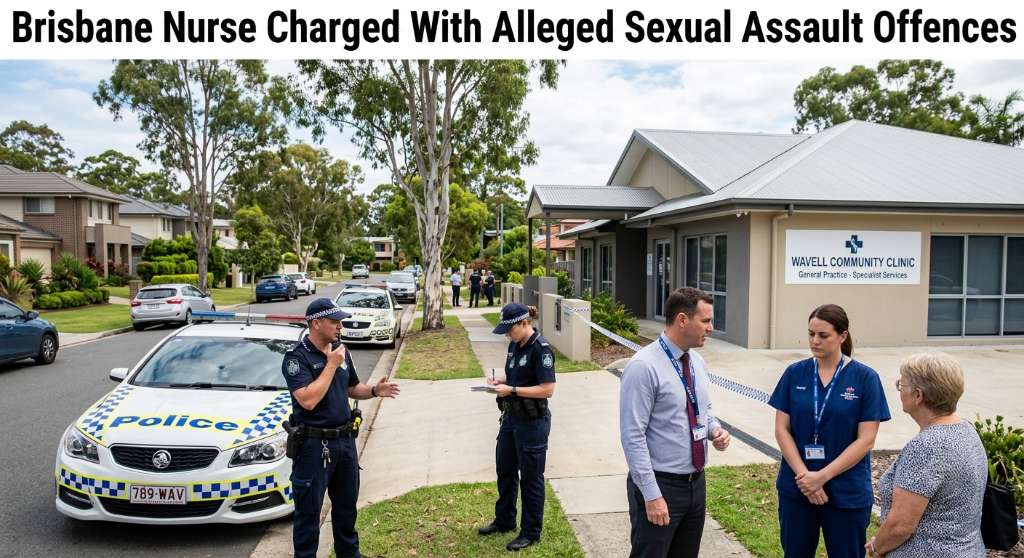
A Wavell Heights enrolled nurse has been charged with four counts of alleged sexual assault and one count of wilful exposure, with his professional regi...
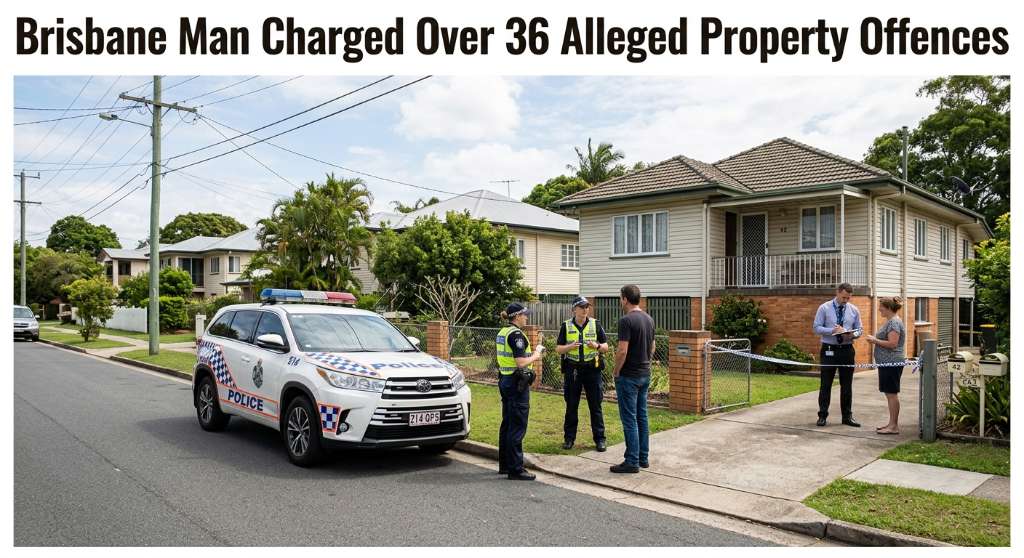
A 24-year-old Carina Heights man has been charged with 36 offences following an investigation into alleged break-ins, vehicle offences and other propert...
Cairns Regional Council has unanimously voted to seek $400,000 in Queensland Government funding for a program designed to connect local businesses with the region’s growing film...
An automated external defibrillator and memorial plaque have been installed at Ellery Creek Big Hole following the death of disability advocate Ellen Fr...
Queensland firefighters spent several hours monitoring a significant grass fire at Mary Kinross Park in Bargara, near Bundaberg, after the blaze broke out on Wednesday evening....